2021-2023 cold weather performance fix

GarageWarrior2023

Well-Known Member
Joined
Aug 18, 2023
Threads
13
Messages
238
Reaction score
179
Location
Manitoba, Canada
Vehicles
2023 Mustang Mach-E Premium x2
Country flag
Hey everyone,

I've heard from a few Canadian Mach-E owners now that they put foam rubber pipe insulation on the hoses of the battery/cabin heating loop and it solved the cold weather heating issues at highway speeds for them. Makes sense, seems to be that there is a lot of air flow under the hood from the wheel well openings and other leak points at highway speeds and when the air moving through there is -20c or colder, the heater hoses don't have enough R-value to offset for that cooling effect on over 60 feet worth of hose.

1. Has anyone else in this forum tested this fix?
2. If you have done this, what products did you use and do you have suggestions on what's best
3. If this works, it sounds like a pretty awesome TSB or CSP that Ford could release to finally make their 2021-2023 Mach-E customers whole again in winter.
Sponsored

 

DeusEx

Well-Known Member
Joined
Apr 17, 2024
Threads
10
Messages
611
Reaction score
746
Location
New York
Vehicles
2023.5 Mach-E Premium ER AWD
Get the details from these Canadian Mach-E owners and report back.


Mach-Lee

Well-Known Member
First Name
Lee
Joined
Jul 16, 2021
Threads
262
Messages
11,382
Reaction score
25,072
Location
Wisconsin
Vehicles
2022 Mach-E Premium AWD
Occupation
Sci/Eng
Country flag
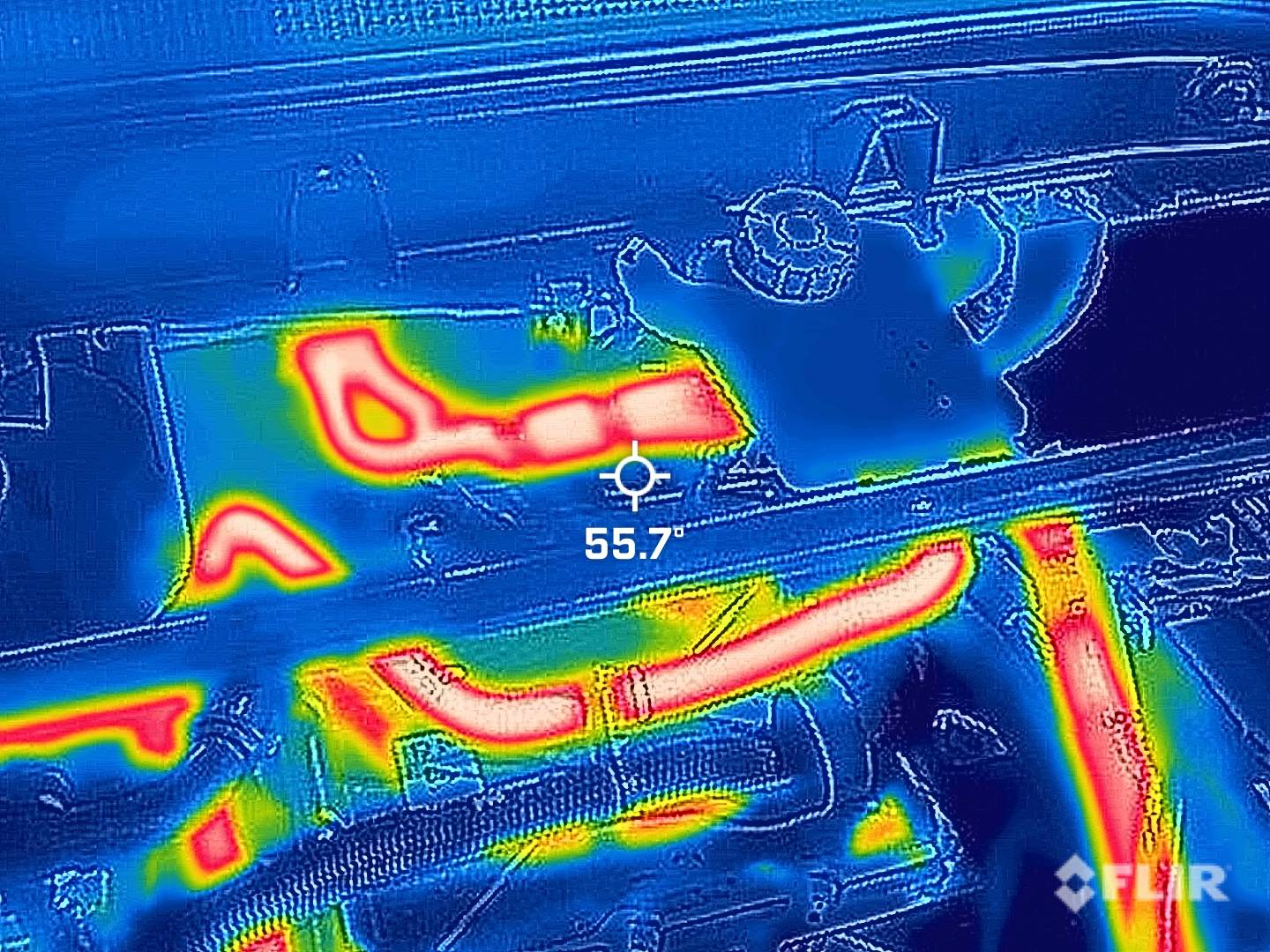
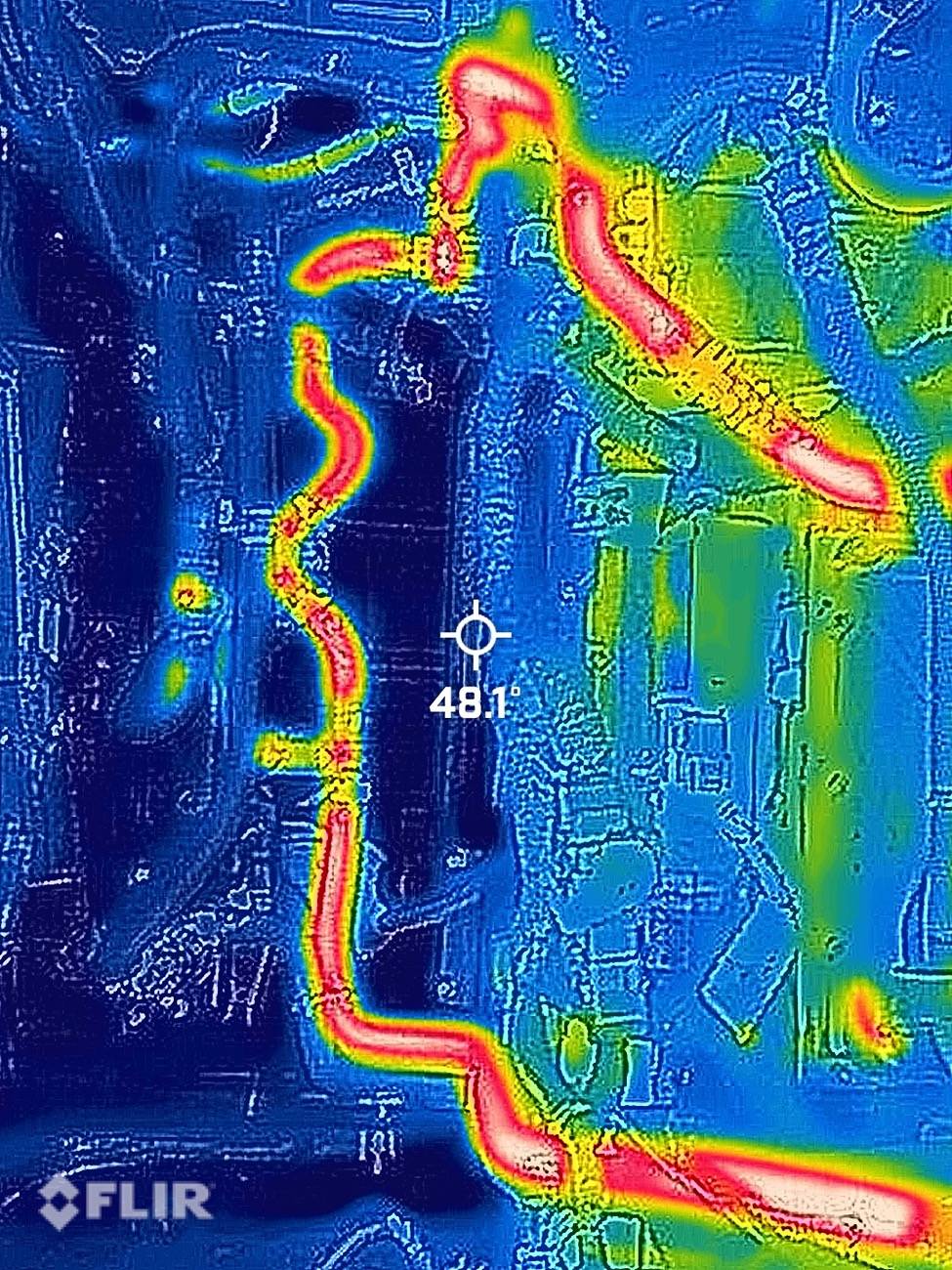
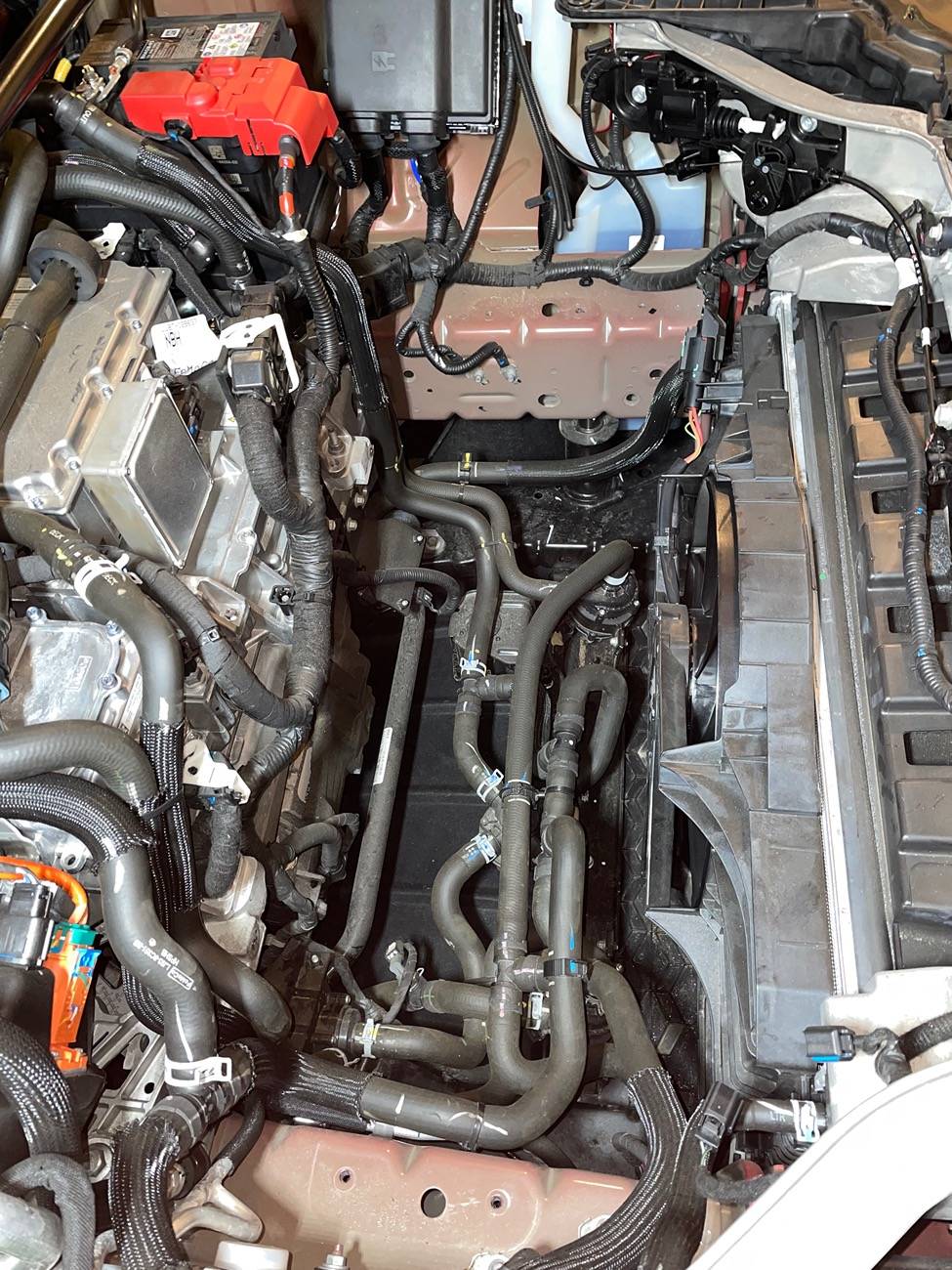
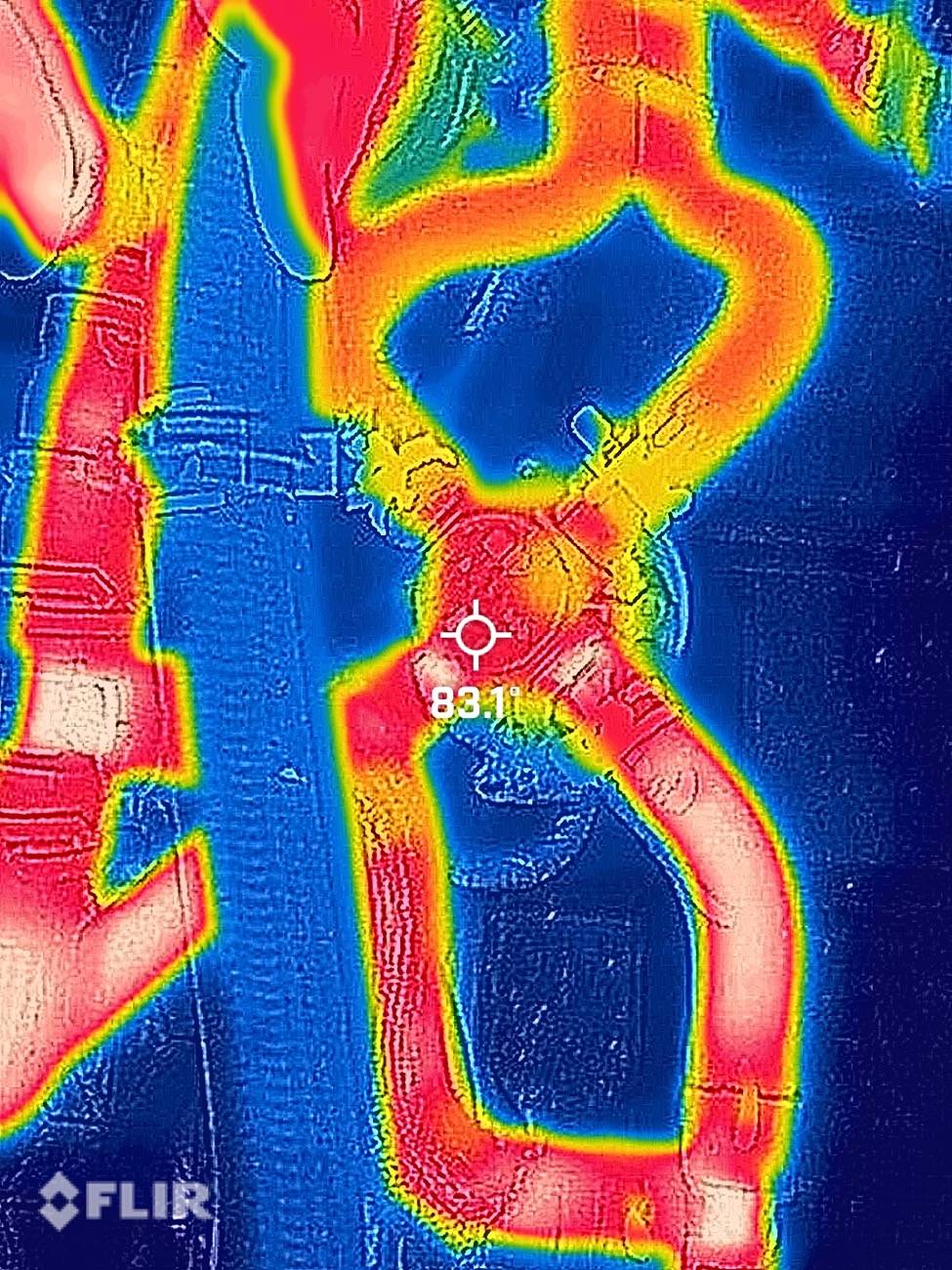
My opinion is it would only save a minimal amount of heat loss, probably less than 5%. EDIT: more like 10% loss. Due to the large number of bends and turns it would be very difficult to insulate. The loop temp is about 120°F. This is the cabin heating loop:

Ford Mustang Mach-E 2021-2023 cold weather performance fix 20240225T224221

Ford Mustang Mach-E 2021-2023 cold weather performance fix 20240225T224120


Insulating the bottom of the battery pack would probably do far more because of the large surface area.
 
Last edited:

Zardoz

Well-Known Member
Joined
Mar 26, 2024
Threads
4
Messages
343
Reaction score
254
Location
WA
Vehicles
'22 GT
Country flag
I second the request for a link and/or report back.
 

Zardoz

Well-Known Member
Joined
Mar 26, 2024
Threads
4
Messages
343
Reaction score
254
Location
WA
Vehicles
'22 GT
Country flag
My opinion is it would only save a minimal amount of heat loss, probably less than 5%. Due to the large number of bends and turns it would be very difficult to insulate. The loop temp is about 120°F. This is the cabin heating loop:


Insulating the bottom of the battery pack would probably do far more because of the large surface area.
This is a brilliant use of a thermal camera. Thank you for thinking of it so quickly. If I ever get around to doing this using a thermal camera to check which hoses need insulation is the way to go.
 

Billyk24

Well-Known Member
First Name
William
Joined
Nov 29, 2019
Threads
117
Messages
2,327
Reaction score
1,311
Location
PA
Vehicles
Ford C-Max Energi, Premium Mach-E ordered
Country flag
My opinion is it would only save a minimal amount of heat loss, probably less than 5%. Due to the large number of bends and turns it would be very difficult to insulate. The loop temp is about 120°F. This is the cabin heating loop:

20240225T224221.jpeg

20240225T224120.jpeg


Insulating the bottom of the battery pack would probably do far more because of the large surface area.
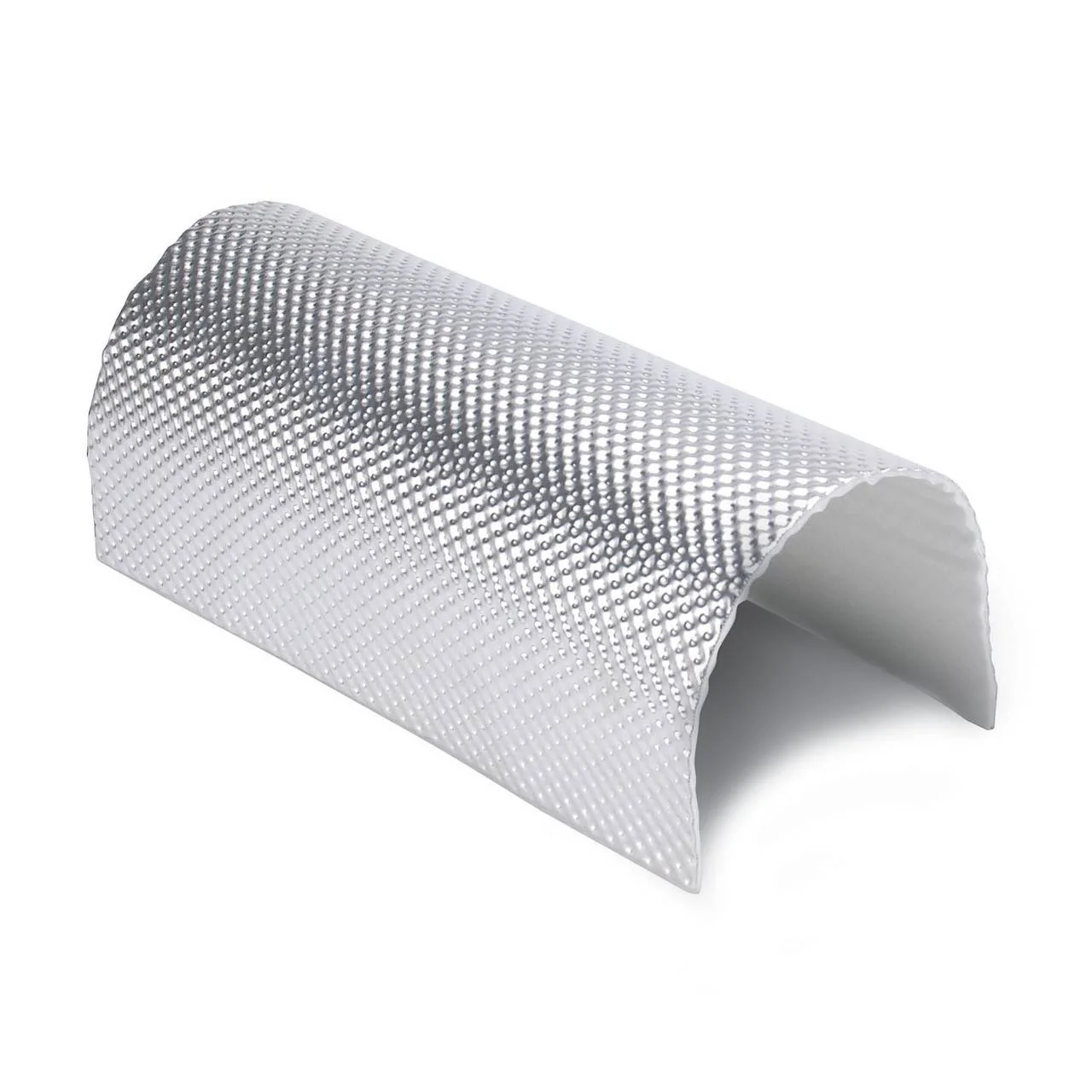
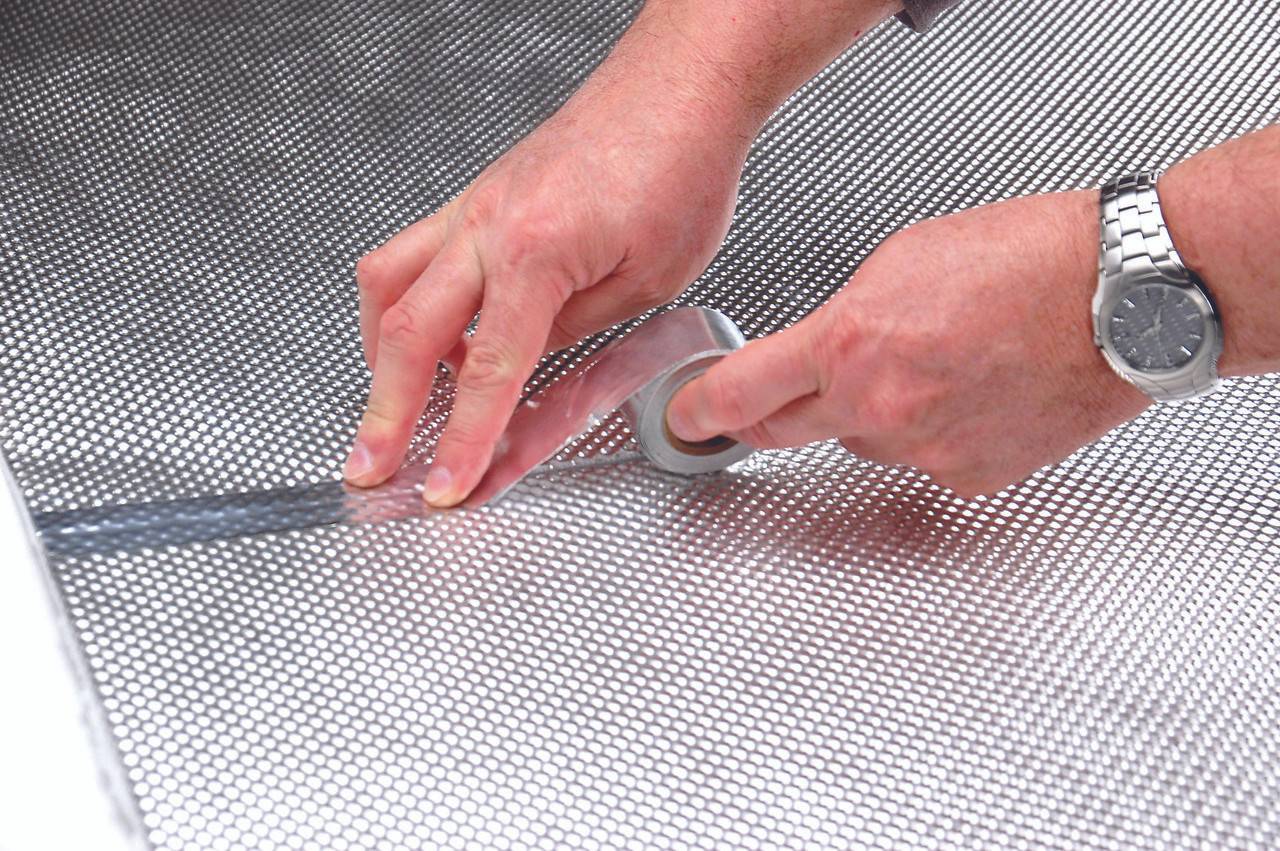
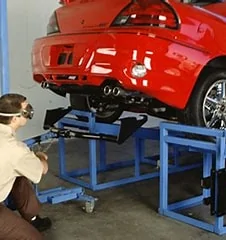
This is my thought for a thermal barrier on the inside layer of the skid plates covering the battery pack: Design Engineering Inc. makes a variety of products including thin peel and stick products shown in the photos ( Floor & Tunnel Shield IIℱ - 21" x 24" - Design Engineering, Inc ). 1750F heat protection so one shouldn't have to worry about it burning. Will it provide needed insulation? If so then it is just a matter of finding a shop (U-Haul shop in the photo) that has a setup to allow access to the skid plates for removal from the vehicle, applying the dei insulation and then re-installing the ski plates on the vehicle. Then what do I know?

Ford Mustang Mach-E 2021-2023 cold weather performance fix dei insulation stuff for mach


Ford Mustang Mach-E 2021-2023 cold weather performance fix dei stuff


Ford Mustang Mach-E 2021-2023 cold weather performance fix u haul shop hitch installation
 

Mach-Lee

Well-Known Member
First Name
Lee
Joined
Jul 16, 2021
Threads
262
Messages
11,382
Reaction score
25,072
Location
Wisconsin
Vehicles
2022 Mach-E Premium AWD
Occupation
Sci/Eng
Country flag
This is my thought for a thermal barrier on the inside layer of the skid plates covering the battery pack: Design Engineering Inc. makes a variety of products including thin peel and stick products shown in the photos ( Floor & Tunnel Shield IIℱ - 21" x 24" - Design Engineering, Inc ). 1750F heat protection so one shouldn't have to worry about it burning. Will it provide needed insulation? If so then it is just a matter of finding a shop (U-Haul shop in the photo) that has a setup to allow access to the skid plates for removal from the vehicle, applying the dei insulation and then re-installing the ski plates on the vehicle. Then what do I know?

dei insulation stuff for mach e.jpg


dei stuff.jpg


u haul shop hitch installation.jpg
That appears to be a radiant barrier, which requires a 1/2" air gap on the warm side to function properly. So wrong direction in the winter. It would keep heat out of the battery in the summer, but still allow heat to escape in the winter.

That stuff is basically heat shield to protect the body from hot exhaust components, not thermal insulation.

Bottom of the pack needs some type of 1/2" thick foam but finding a way to securely attach it to a non-flat riveted bottom is the challenge.
 

Billyk24

Well-Known Member
First Name
William
Joined
Nov 29, 2019
Threads
117
Messages
2,327
Reaction score
1,311
Location
PA
Vehicles
Ford C-Max Energi, Premium Mach-E ordered
Country flag
That appears to be a radiant barrier, which requires a 1/2" air gap on the warm side to function properly. So wrong direction in the winter. It would keep heat out of the battery in the summer, but still allow heat to escape in the winter.

That stuff is basically heat shield to protect the body from hot exhaust components, not thermal insulation.

Bottom of the pack needs some type of 1/2" thick foam but finding a way to securely attach it to a non-flat riveted bottom is the challenge.
How much air space exists between the skid plates and battery pack? We need to determine such.
 

Mach-Lee

Well-Known Member
First Name
Lee
Joined
Jul 16, 2021
Threads
262
Messages
11,382
Reaction score
25,072
Location
Wisconsin
Vehicles
2022 Mach-E Premium AWD
Occupation
Sci/Eng
Country flag
Decided to revisit this and do some heat loss calculations. Assuming 25 mm rubber hose, 3mm wall thickness, 50ÂșC coolant temp, and -25ÂșC external temp with 15 m/s wind, the heat loss through the tubing is about 185 watts per meter. I figure there's about 3 meters of hose for the heater loop, so that would mean a loss of about 550 watts, or about 10% of the heater output.

If we assume the battery and cabin is being heated at the same time (25ÂșC water temp for battery hoses), it's about 125 W/m. Another 3 meters of hose for that, and we have 375W of heat loss. Combined with the heater loop, that's about 900W. Realistically there won't be that much wind on the entire length of piping, so combined loss is probably in the 500-750W region.

So if you're driving at high speed in -25ÂșC weather, insulating the hoses will get you about 7-15% more heat output. That could get you heat down to a temperature that's about 5ÂșC/10ÂșF lower than before, which might be enough for some people to not run out of heat.

This is only going to be worth it if you drive in extremely cold temps of -25ÂșC/-13ÂșF or less and have problems running out of heat.

I may try it, but it's going to be a pain to get the insulation on all the bends and curves of the pipes.

Ford Mustang Mach-E 2021-2023 cold weather performance fix IMG_2665

Ford Mustang Mach-E 2021-2023 cold weather performance fix IMG_2667
 
Last edited:
OP
OP
GarageWarrior2023

GarageWarrior2023

Well-Known Member
Joined
Aug 18, 2023
Threads
13
Messages
238
Reaction score
179
Location
Manitoba, Canada
Vehicles
2023 Mustang Mach-E Premium x2
Country flag
Decided to revisit this and do some heat loss calculations. Assuming 25 mm rubber hose, 3mm wall thickness, 50ÂșC coolant temp, and -25ÂșC external temp with 15 m/s wind, the heat loss through the tubing is about 185 watts per meter. I figure there's about 3 meters of hose for the heater loop, so that would mean a loss of about 550 watts, or about 10% of the heater output.

If we assume the battery and cabin is being heated at the same time (25ÂșC water temp for battery hoses), it's about 125 W/m. Another 3 meters of hose for that, and we have 375W of heat loss. Combined with the heater loop, that's about 900W. Realistically there won't be that much wind on the entire length of piping, so combined loss is probably in the 500-750W region.

So if you're driving at high speed in -25ÂșC weather, insulating the hoses will get you about 7-15% more heat output. That could get you heat down to a temperature that's about 5ÂșC/10ÂșF lower than before, which might be enough for some people to not run out of heat.

This is only going to be worth it if you drive in extremely cold temps of -25ÂșC/-13ÂșF or less and have problems running out of heat.

I may try it, but it's going to be a pain to get the insulation on all the bends and curves of the pipes.

IMG_2665.jpeg

IMG_2667.jpeg
You're awesome @Mach-Lee !

Best product (where there's room for it)from what I understand is EDPM rubber pipe insulation. high temperature rating, highly flexible, great insulative properties and it's outdoor rated. 1" inner diameter and 3/8th sidewall (1/2 inch if you can't find 3/8th)

Anywhere you can't fit the pipe insulation, use reflectix insulation.

power electronics loops can be omitted, but both the cabin heating loop and battery heating loop should be included. you don't need to touch the cooling loop since that's bypassed by the 2 way valve.

battery coolant inlet line is important to insulate, outlet less important.

cabin in and out lines are important to cover. ****what are your thoughts on the exposed metal length that is used as a support bracket for the cabin in and out lines!?!?! there must be losses happening there and I can't comprehend why anyone would use metal without some kind of insulator......*****

I had one person outside a dealership ask me about the mach-e, after saying one of my few complaints is no heat in winter, he said his buddy had insulated his heating lines and fixed his own issue with heating. I got so wrapped up in the "I KNEW IT COULD WORK!!!" thought in my head that I didn't even think to see if I could get in touch with his buddy.

I later saw a couple of facebook comments of people saying they did that and it worked. replied to them to see if they would give any info on how well it worked, what they used, what hoses they insulated.....haven't managed to get anyone to respond to me.

total, about 3 examples now I have heard of people claiming it works. failing to get any images of it, or proof, data, etc.

Now that I have heard it a few times but can't seem to get responses from the people who have done it, I'm making this post to see if anyone else out there has tried, anyone is willing to try, and see if we can more definitively proof it out.

best case it exceeds expectation and could be something worth pushing with Ford as a CSP or TSB to get the heating to perform better in 2021-2023 models. Worst case, we learn something more about our cars and how they operate in different extremes.
 

rreddy3

Well-Known Member
First Name
Richard
Joined
Mar 25, 2024
Threads
5
Messages
989
Reaction score
1,060
Location
Virginia
Vehicles
2023 Mach e Premium AWD X
Country flag
You're awesome @Mach-Lee !

Best product (where there's room for it)from what I understand is EDPM rubber pipe insulation. high temperature rating, highly flexible, great insulative properties and it's outdoor rated. 1" inner diameter and 3/8th sidewall (1/2 inch if you can't find 3/8th)

Anywhere you can't fit the pipe insulation, use reflectix insulation.

power electronics loops can be omitted, but both the cabin heating loop and battery heating loop should be included. you don't need to touch the cooling loop since that's bypassed by the 2 way valve.

battery coolant inlet line is important to insulate, outlet less important.

cabin in and out lines are important to cover. ****what are your thoughts on the exposed metal length that is used as a support bracket for the cabin in and out lines!?!?! there must be losses happening there and I can't comprehend why anyone would use metal without some kind of insulator......*****

I had one person outside a dealership ask me about the mach-e, after saying one of my few complaints is no heat in winter, he said his buddy had insulated his heating lines and fixed his own issue with heating. I got so wrapped up in the "I KNEW IT COULD WORK!!!" thought in my head that I didn't even think to see if I could get in touch with his buddy.

I later saw a couple of facebook comments of people saying they did that and it worked. replied to them to see if they would give any info on how well it worked, what they used, what hoses they insulated.....haven't managed to get anyone to respond to me.

total, about 3 examples now I have heard of people claiming it works. failing to get any images of it, or proof, data, etc.

Now that I have heard it a few times but can't seem to get responses from the people who have done it, I'm making this post to see if anyone else out there has tried, anyone is willing to try, and see if we can more definitively proof it out.

best case it exceeds expectation and could be something worth pushing with Ford as a CSP or TSB to get the heating to perform better in 2021-2023 models. Worst case, we learn something more about our cars and how they operate in different extremes.
Interesting ideas and discussion.

I don’t believe, however, there is any chance Ford or any other OEM would create a CSP or TSB to have the insulation installed at Ford/OEM’s expense, absent vehicles actually failing or becoming dangerous to operate because of a lack of insulation.

A potentially more likely scenario is the creation for retail sale of a kit of pre-cut insulation required to do the job. The material would be relatively cheap, the labor would be the killer for those not installing it themselves.

I don’t know the geographical dispersion of these cars, but I would think even if it’s 50% northern tier of the US, Canada, and northern Europe, the market would still be pretty small since a limited number of that cold climate group would feel, literally or figuratively, the need for the insulation. Sounds more like a product for a small, aftermarket, specialty company than an OEM effort.

All that said, it’s a great discussion and interesting idea and may be worth it for some
people well north of the Mason-Dixon Line.
Sponsored


Top