YeOldeTraveller
Well-Known Member
- First Name
- Clark
- Joined
- Jul 12, 2024
- Threads
- 6
- Messages
- 332
- Reaction score
- 386
- Location
- Ann Arbor, MI, USA
- Vehicles
- 2024 MME Rally

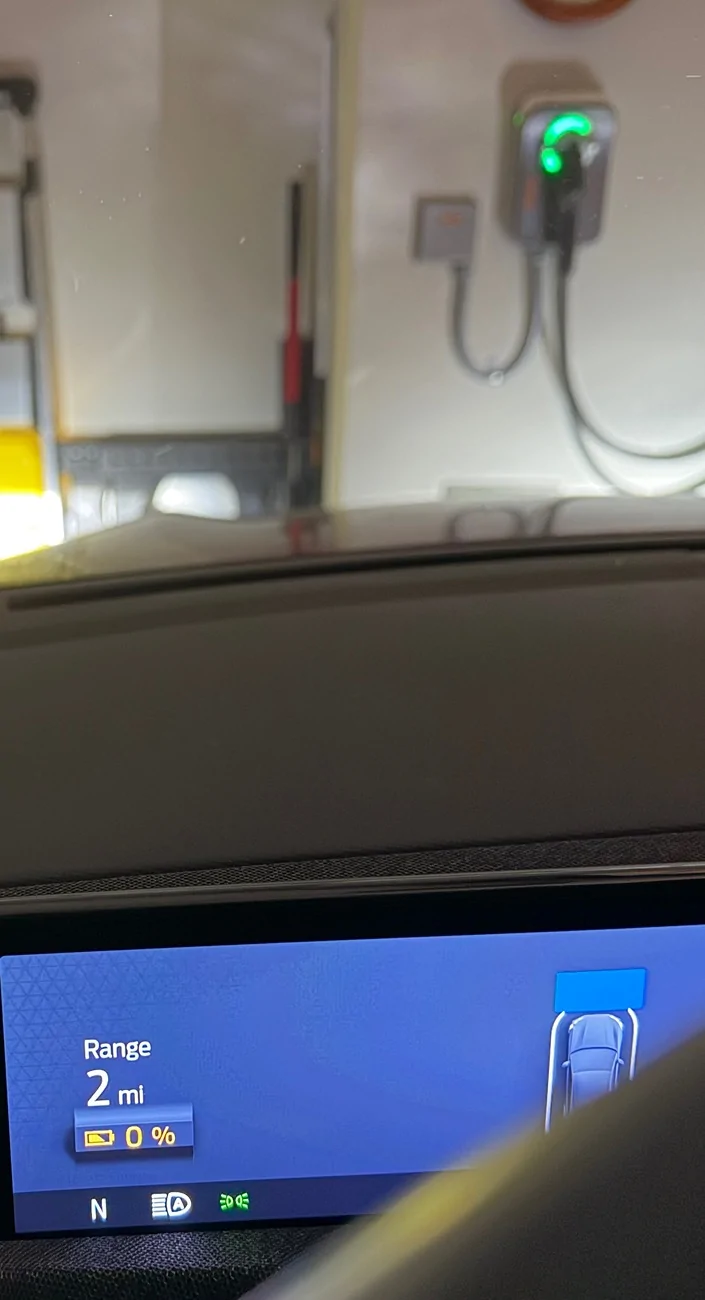
For planning, I target a 15% arrival. While driving, I don't worry about arrival state of charge until it drops below 10%. At that point, I may reduce speed depending on how far I am from the planned charge stop. I don't get concerned until 5%, and that is the level where I will take more drastic measure, but only if I am not already close to the charger. If the destination is home, I only worry about arriving above 0%, but I will have slowed down somewhat under 10%.The reason planning to arrive at a charging station with such a low state of charge is for contingencies like an inoperative charging station. I would want some range to move on or backtrack to one that works.
It is also good to know options short of the planned stop if you find that you are getting worse efficiency than planned. This gives you a bailout point where you can stop for a short charge to recover buffer.
A note on planning:
On routes I don't know well, I start with ABRP, and check the stops it plans. I think look at each stop to see who runs that site, and what alternatives are close. Depending on reliability and options, I will add additional buffer for that leg if I feel the need. If there are reliable options within 10 miles, I don't bother with an adjustment. I use PlugShare to research the planned stops, and those nearby to get an idea of what I need for contingency.
Personal note:
I have always planned my road trips, so the level of planning I do for an EV road trip is hardly more that before. One needs to know where the chargers are as you do need to know where you are going to start earlier than road signs are going to tell you.
Sponsored