
MoonRiver
Well-Known Member
- Joined
- Jan 27, 2022
- Threads
- 40
- Messages
- 516
- Reaction score
- 231
- Location
- Tampa Bay, FL
- Vehicles
- 22 Mach e select, 07 Infiniti G35

- Thread starter
- #1
Kinda?
I don't know of an ant bite that can leave you stranded far from home though?Kinda?
But telling people they’re worrying about the wrong battery is only partially true.
Sure, your 12v is way more likely to fail than the HVB. But if it does, it’s a super cheap and easy fix in comparison.
It’s like saying you’re way more likely to be bitten by an ant than a shark (true), but which one will you worry more about at the beach?
I’ve survived many an ant bite.

A 12v failure can leave you stranded in any car.I don't know of an ant bite that can leave you stranded far from home though?
I get the analogy but I would maybe step the ant bite to a dog bite. A dog bite can still hurt for a few days where as a shark bite can leave you laid up for an extended period of time.
I would compare an ant bite to a bug that hits your windshield. It is annoying but it won't leave your stranded.
A dead 12 volt battery can be equally annoying if you can't drive your car similar to the HV battery.
I agree with you on HVB being expensive, but the point of the article tried to make was that HVB is much more reliable than LVB.A 12v failure can leave you stranded in any car.
Either way, it’s a cheap fix.
HVB failure? That’s crazy expensive.
A flat tire, bad alternator, bad starter etc also are cheap fixes that can strand a car.
The HVB can cost more than your car is worth. Either way, it’s worth worrying about even if it’s uncommon because of how expensive it could be.
The HVB battery is insured/warranty and the chance of paying for that is very low similar to your Shark bite analogy.A 12v failure can leave you stranded in any car.
Either way, it’s a cheap fix.
HVB failure? That’s crazy expensive.
A flat tire, bad alternator, bad starter etc also are cheap fixes that can strand a car.
The HVB can cost more than your car is worth. Either way, it’s worth worrying about even if it’s uncommon because of how expensive it could be.


My guess is because to unlock the door, it takes more logic.Ford can put a capacitor there to open an unlocked door why can’t they use a bigger capacitor that holds more charge so it unlocks the door too?
They can just leave the number pad activated but phone or fob, assuming you know the door code.My guess is because to unlock the door, it takes more logic.
You’d need enough charge to know the key or PAAK are near or else anyone could unlock the door on a car with a dead battery (safety/security issue).
Door locks are controlled by the BCM. It can’t run off a capacitor.They can just leave the number pad activated but phone or fob, assuming you know the door code.

If you purchase an OBD-II scanner, will it give you 12V system / LVB data that could be used with a diagnostic app to determine LVB health and early replacement before failure?I'm personally convinced that with just a modicum of vigilance, the odds of experiencing what folks are so worried about, isn't worth worrying about.
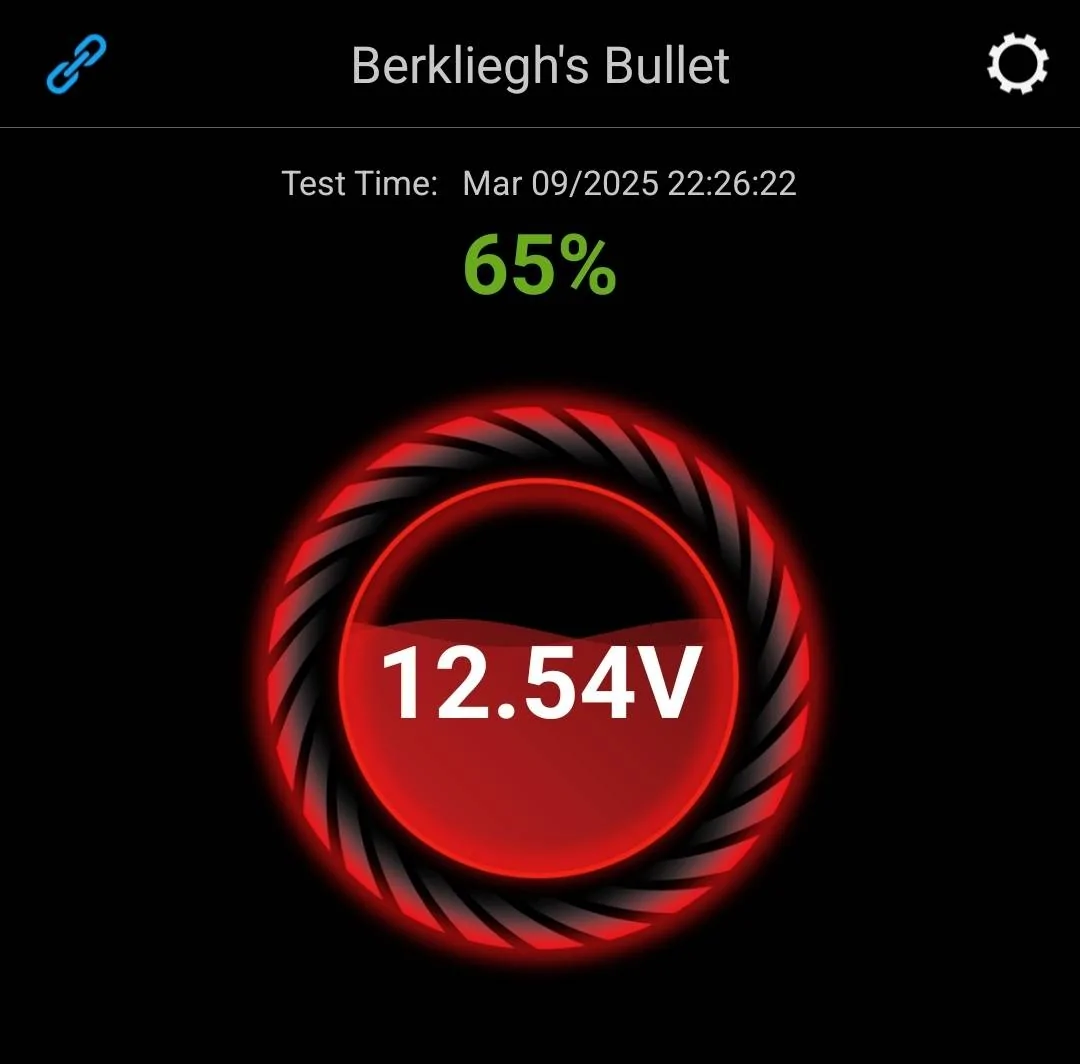
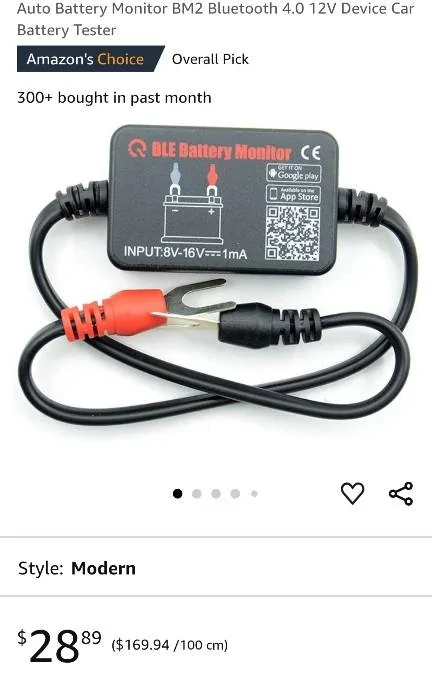
Concern, would be a better term. Concerned enough to not take that lvb for granted. $25 for a 24/7/365 voltage logger. Anything out of the ordinary would be easy to spot.
The problem with monitoring the lvb with ODB tools, is that you are really seeing the voltage of the DC/DC converter, rather than the battery itself.If you purchase an OBD-II scanner, will it give you 12V system / LVB data that could be used with a diagnostic app to determine LVB health and early replacement before failure?