
MrLoganRoss
Well-Known Member
- First Name
- Chris
- Joined
- Dec 11, 2023
- Threads
- 47
- Messages
- 506
- Reaction score
- 452
- Location
- Seattle
- Vehicles
- Mach E

Turn off propulsion sound
Sponsored
Sorry I meant dynamat. Ha! I have tried venting at 1 or 2 not circulating, especially when it’s cool out with no AC. It does seem to help a little. I’ll mess with the sub tomorrow. Everything feels less intense with the amp disconnected. Still feel like a light throbbing in my ear drum, only in the car. This def feels like a some personal medical thing but it only happens in this car. I’m getting closer to solving I think. Thanks again to all.But you never know. When you mentioned repair manual is that referring to the dynamite?

No, there are cabin air extractor vents on each side under the bumper cover. It's the same setup as 99.5% of other cars. The car cannot become pressurized because those vents would let the air out. Air enters the vents on either side of the trunk panels and comes out through the vents in the rear fenders. See photo.From the looks of it that is the only 'vent' in this car to the outside. The repair manual mentions:
NOTICE: The door windows must be left open during the adhesive curing time.
Open the vehicle windows to prevent the air pressure of closing doors from compromising the urethane adhesive bond.
Meaning there could be enough pressure from closing the door to cause adhesive to get pushed out like toothpaste. Yikes! But it makes sense as you wouldn't want to hear the road from wherever the little flappy flaps they used to install would be. It'd look like a small box with a plastic flap like a doggie door. Explains why the AC always reverts to fresh air intake. Any chance your car was ever in an accident?

Thank you!No, there are normal air extractor vents on each side under the bumper cover. It's the same setup as 99.5% of other cars. The car cannot become pressurized because those vents would let the air out. Air enters the vents on either side of the trunk panels and comes out through the vents in the rear fenders. See photo.
The service manual is referencing the brief pressure spike when slamming door closed, which could dislodge a windshield that was recently set.

The subwoofer does not let air pass through it by design (otherwise it won't work right as a speaker). Air can only exit the cabin through those two exit vents below the taillights.

Unless the sub isn't mounted correctly, which was my thought. Oddly I wasn't able to find those vents in the repair manual (though I knew they had to be somewhere in the car). The questing about the accident was pertaining to weather any of these vents might be stuck closed or open. Closed, slowing building cabin pressure, or open (if possible) causing negative pressure from air being pulled out of the car or forced back in from the underbody panels or wheel wells. It was just an idea. There's several different symptoms in this thread.No, there are cabin air extractor vents on each side under the bumper cover. It's the same setup as 99.5% of other cars. The car cannot become pressurized because those vents would let the air out. Air enters the vents on either side of the trunk panels and comes out through the vents in the rear fenders. See photo.
The service manual is referencing the brief pressure spike when slamming a door closed, which could dislodge a windshield that was recently set.
The subwoofer does not let air pass through it by design (otherwise it won't work right as a speaker). Air can only exit the cabin through those two exit vents below the taillights.
Thank you azerik, that’s interesting and will look into it. Anything is possible since it was a demo with 4500 miles on it but the dealership didn’t divulge anything and I did a vin check which came up clean.Unless the sub isn't mounted correctly, which was my thought. Oddly I wasn't able to find those vents in the repair manual (though I knew they had to be somewhere in the car). The questing about the accident was pertaining to weather any of these vents might be stuck closed or open. Closed, slowing building cabin pressure, or open (if possible) causing negative pressure from air being pulled out of the car or forced back in from the underbody panels or wheel wells. It was just an idea. There's several different symptoms in this thread.
 if so I’m pretty positive they did not do that.
Oh wow that is incredibly helpful. I will definitely try that. Thank you!!!Yep, wheel well liner and/or the underbody panel. It’s a lot of small bolts but once off they could reach up to the vents. When I was in my gutted truck last I didn’t see a way to get my hand down to the vents. I honestly don’t know how the sub venting to the wheel well is protected from water or air pressure. From my thought of it it’d be very hard for it to be an issue, but anything is possible.
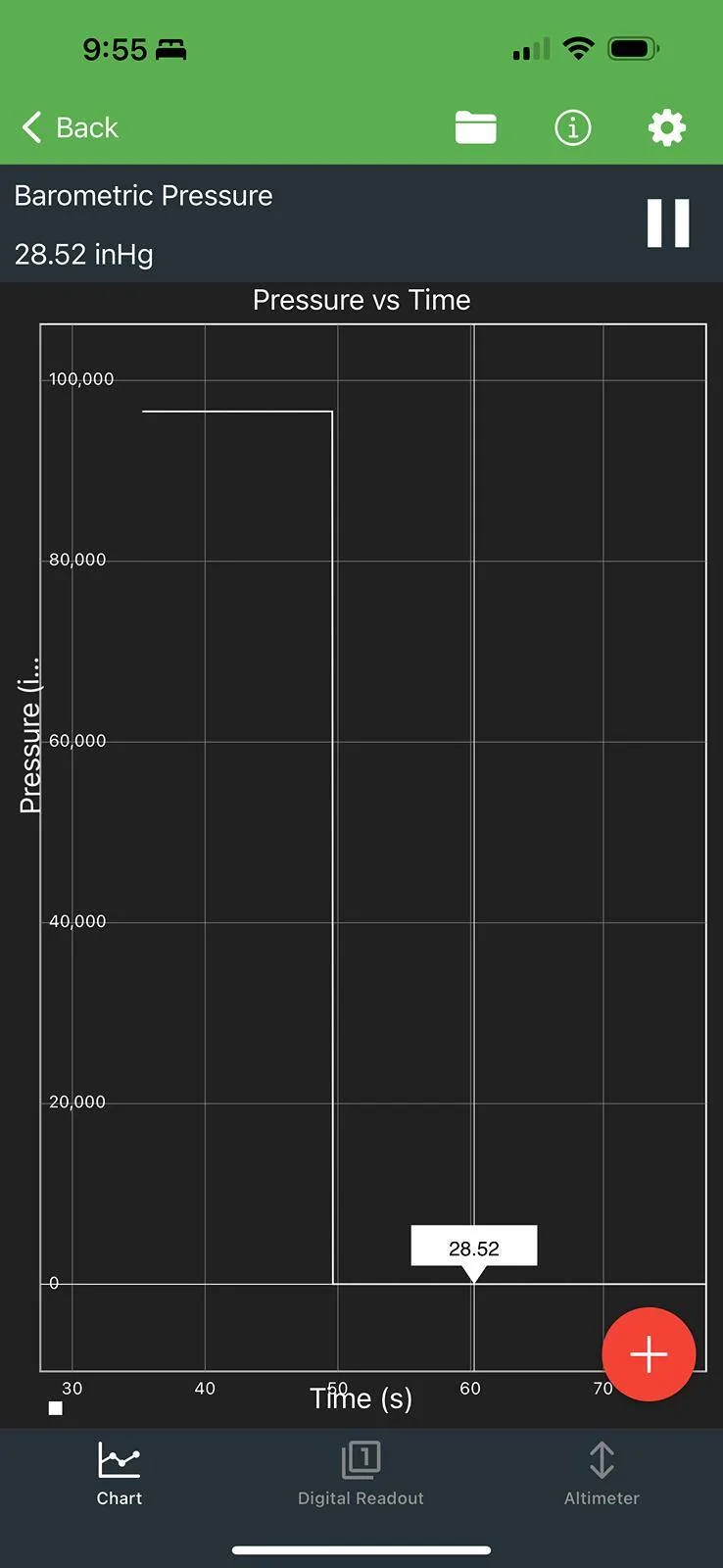
Oh and I just found a tool. If you have a smart phone you could use the app Physics toolbox. There’s a barometer in there. I set to inHg and my bedroom yields 28.52 at about 2000ft above sea level. Weather app shows 29.7, so it’s off a bit. Higher the number the lower the pressure. You could set that on and change the time scale to the clock, recording a drive. Making note of when it got annoying and check the chart. It’d be very interesting to see if there’s a lack of pressure after a while. I’m driving into work tomorrow so I’ll give it a go as well for fun.


Sorry, minor correction: all units of pressure are direct scales. In other words, the higher the pressure increment, the higher the pressure.Higher the number the lower the pressure.
Got it. Thank you!Sorry, minor correction: all units of pressure are direct scales. In other words, the higher the pressure increment, the higher the pressure.
You may be thrown by the fact that atmospheric pressure is inversely related to altitude. The higher the altitude, the lower the pressure (and, therefore, a lower number of inHg/pascals).
I felt my buddies eyes roll from my mistake all the way from the Adelaide BOM station lol.Sorry, minor correction: all units of pressure are direct scales. In other words, the higher the pressure increment, the higher the pressure.
You may be thrown by the fact that atmospheric pressure is inversely related to altitude. The higher the altitude, the lower the pressure (and, therefore, a lower number of inHg/pascals).
Interior onlyIs the propulsion sound, interior, exterior or both?