OP
OP
ebeponyan

ebeponyan

Well-Known Member
Joined
Mar 11, 2021
Threads
11
Messages
473
Reaction score
1,311
Location
Puget Sound
Vehicles
2021 Infinite Blue Mach-E Premium AWD ER
Country flag
This was truly an impressive and wonderful series of posts, @ebeponyan. I will read them again, perhaps a couple of times. Sharing your experiences and feelings, not just about your EV or Mach E experience, but the nature of the trip itself, regardless of transport mode. As a youngster, 50 to 60 years ago, my family of 7 did numerous camping and a cross country trip in a red Ford Station Wagon. I was usually the navigator, starting with our migration from Minnesota to California when I was 7 years old and the Ford Country Squire was brand new. Thanks for sharing!!!

I have two questions: what is "bouldering" and what are "crash pads"? I will, of course look up online, but I have learned to love your perspective and words, so would appreciate an explanation from you.
I'm flattered. It's fascinating how the "Great American Roadtrip" can tie together not just regions, but generations. Also how far we've come even in my lifetime from pulling the road atlas out from under the seat and arguing about a newly constructed onramp not existing to debating which of 5 navigation apps to use in what scenarios.

To answer your questions though, bouldering is a form of sport rock climbing (recently added to the Olympics!) which does not use ropes or harnesses, but instead relies on (crash) pads for safer landings. The pads are firmer than you might expect, and are design to absorb heavy impacts before giving way to the ground below- like a car's crumple zone, in a way. Because you're not tied in, the heights reach in bouldering are usually constrained to under 20ft, often quite a bit less. Typically, as the name suggests, this means climbing a boulder rather than a wall or cliff face. If you take bouldering to its absolute, unfathomable extreme, you get Alex Honnold's Free Solo. For mortals like us though, its generally trying to move upward on gritty holds and flopping four or five feet into the stiff embrace of the pads. Put simply, it's trying to get on top of a rock the fun way. There are tons of routes documented and graded online and in guide books, and indoor bouldering gyms have really started taking off in the last decade or so. I said I'd try to keep this thread focused on the car, but since you asked nicely:
Ford Mustang Mach-E 3600 Mile Roadtrip Review (12 Day, 7 State Trip) IMG_1854.JPG
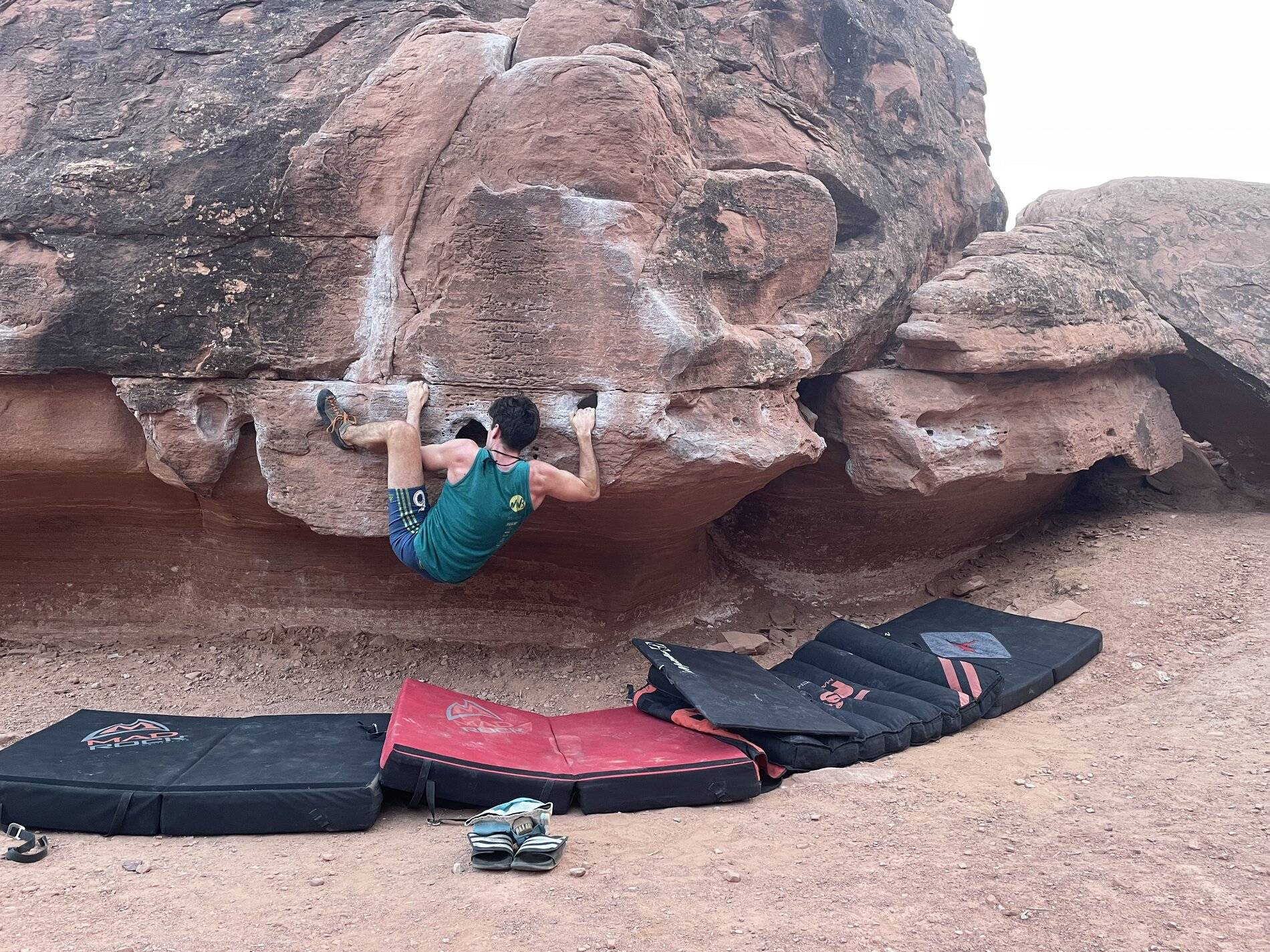
Finally finished a long-term project, but not on this attempt. I needed to come back right and up before reaching for the far left. Note the pads stretched across the span of this route from right to left. Hueco Traverse Easy Out V4, Big Bend, UT.

Ford Mustang Mach-E 3600 Mile Roadtrip Review (12 Day, 7 State Trip) 0706180826_HDR_035253

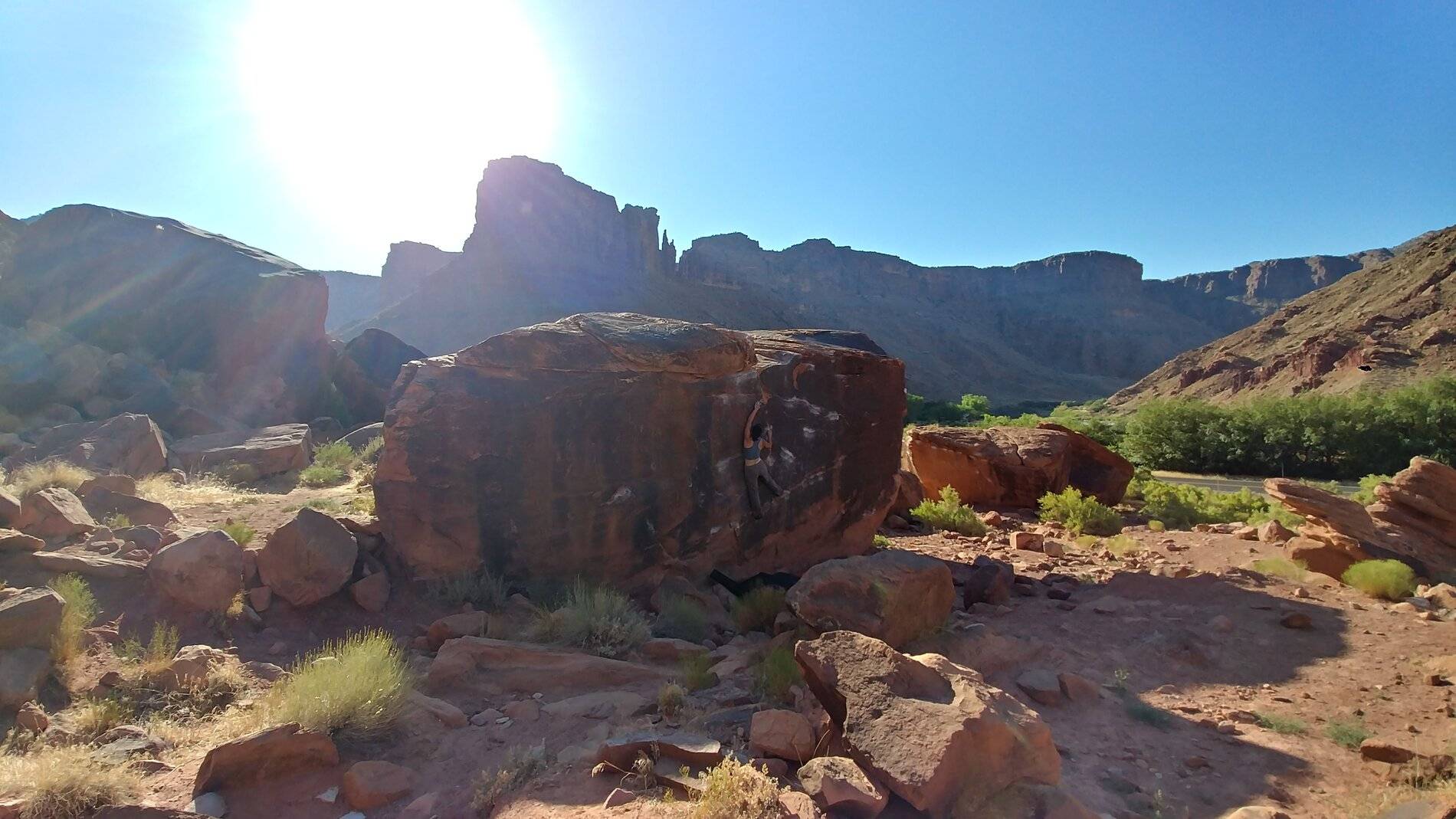
My wife on a previous trip with the top just out of reach. You may recognize the canyon wall from the thread's opening post. Black Box V2, Big Bend, UT
Ford Mustang Mach-E 3600 Mile Roadtrip Review (12 Day, 7 State Trip) PXL_20210809_024847812

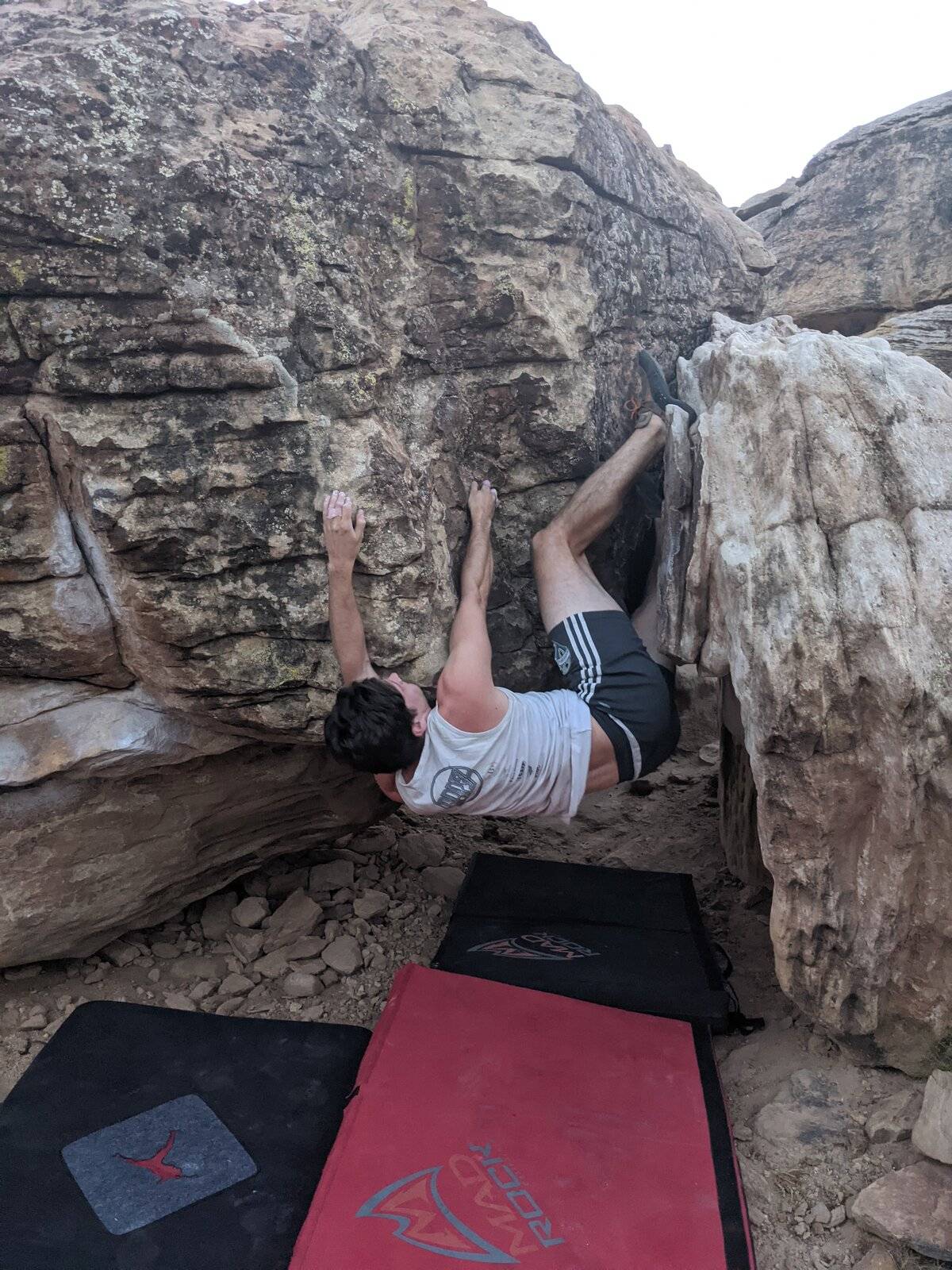
The fun way up. Bat Cave V1, Moe's Valley, UT.

Ford Mustang Mach-E 3600 Mile Roadtrip Review (12 Day, 7 State Trip) PXL_20210807_183040492

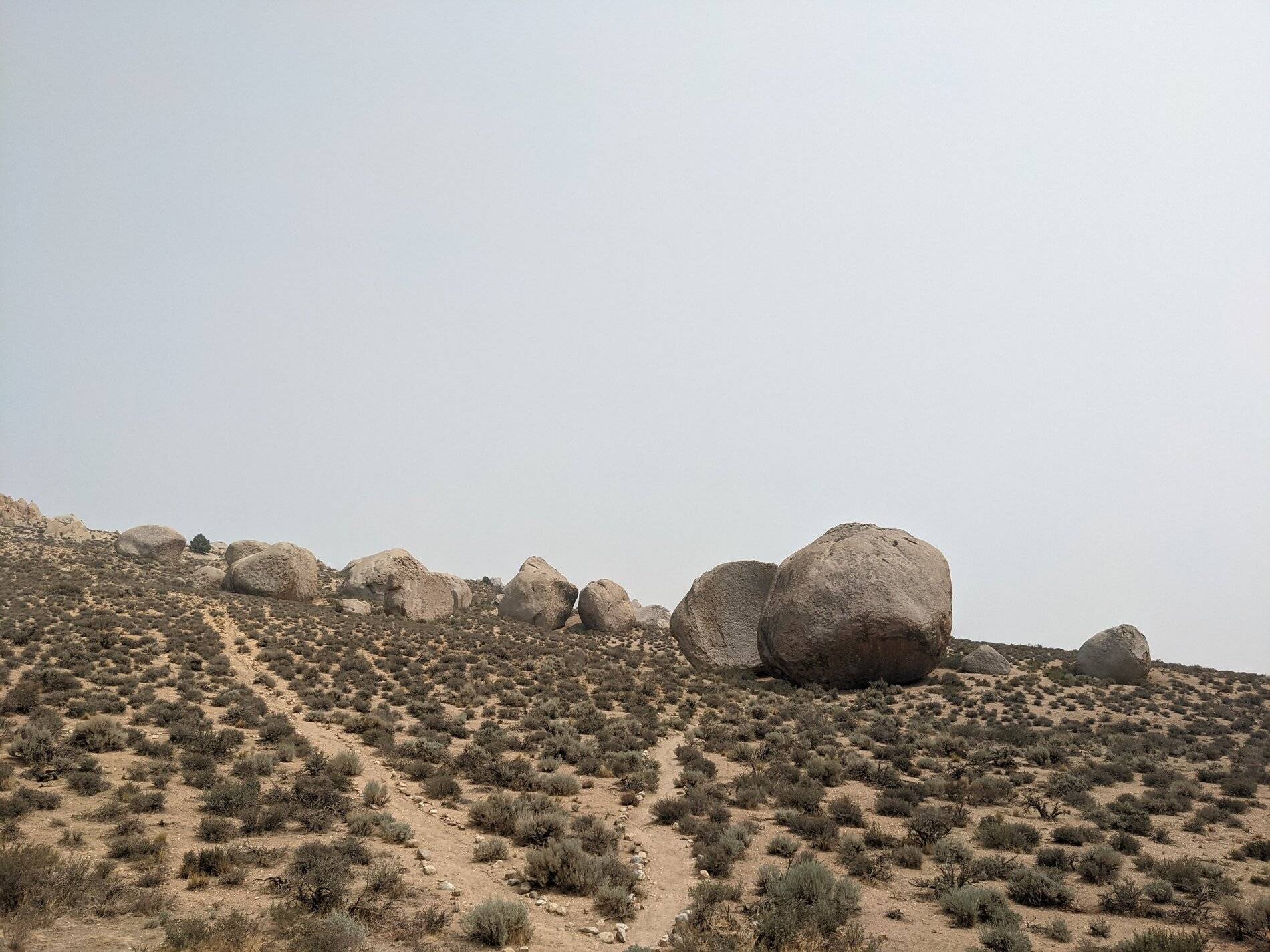
A classic view of the Buttermilks near Bishop, CA. These two in the front are absolutely massive, much higher than most sane people would attempt without gear, but man are they pretty.
Sponsored

 

engnrng

Well-Known Member
First Name
Bruce
Joined
Feb 8, 2020
Threads
9
Messages
579
Reaction score
826
Location
SoCal
Vehicles
2022 GTPE, Kona EV, 2023 BMW iX
Occupation
Engineer
Country flag
Also how far we've come even in my lifetime from pulling the road atlas out from under the seat and arguing about a newly constructed onramp not existing to debating which of 5 navigation apps to use in what scenarios.
So true. And, to focus on EV road trips: When I navigated across country back in the 60's, AAA had a tool where they would print out a bound booklet called a Trip-Tik that showed each day of travel, sometimes 2 or 3 pages for 1 day if there were lots of road changes. I wonder when AAA will get the idea to do something similar (albeit digital) showing recommended charge locations and scenic stops, as well as places to stay that have at least L2 charging for overnight. That Trip-Tik was very comprehensive for the day.
 

macchiaz-o

Well-Known Member
First Name
Jonathan
Joined
Nov 25, 2019
Threads
171
Messages
8,580
Reaction score
15,988
Location
}not/A/gr8'Place.2.store-mEyePassword{
Vehicles
MY21 J1 Premium RWD SR
Country flag
I'm flattered. It's fascinating how the "Great American Roadtrip" can tie together not just regions, but generations. Also how far we've come even in my lifetime from pulling the road atlas out from under the seat and arguing about a newly constructed onramp not existing to debating which of 5 navigation apps to use in what scenarios.

To answer your questions though, bouldering is a form of sport rock climbing (recently added to the Olympics!) which does not use ropes or harnesses, but instead relies on (crash) pads for safer landings. The pads are firmer than you might expect, and are design to absorb heavy impacts before giving way to the ground below- like a car's crumple zone, in a way. Because you're not tied in, the heights reach in bouldering are usually constrained to under 20ft, often quite a bit less. Typically, as the name suggests, this means climbing a boulder rather than a wall or cliff face. If you take bouldering to its absolute, unfathomable extreme, you get Alex Honnold's Free Solo. For mortals like us though, its generally trying to move upward on gritty holds and flopping four or five feet into the stiff embrace of the pads. Put simply, it's trying to get on top of a rock the fun way. There are tons of routes documented and graded online and in guide books, and indoor bouldering gyms have really started taking off in the last decade or so. I said I'd try to keep this thread focused on the car, but since you asked nicely:

IMG_1854.JPG
Finally finished a long-term project, but not on this attempt. I needed to come back right and up before reaching for the far left. Note the pads stretched across the span of this route from right to left. Hueco Traverse Easy Out V4, Big Bend, UT.

0706180826_HDR_035253.jpg

My wife on a previous trip with the top just out of reach. You may recognize the canyon wall from the thread's opening post. Black Box V2, Big Bend, UT

PXL_20210809_024847812.jpg

The fun way up. Bat Cave V1, Moe's Valley, UT.


PXL_20210807_183040492.jpg

A classic view of the Buttermilks near Bishop, CA. These two in the front are absolutely massive, much higher than most sane people would attempt without gear, but man are they pretty.
Ah. I can just imagine me doing this in my youth.

OK let's be real for a second. No, there's no way I was ever doing this. Ever.

Kudos to you and your wife! I think I saw some of your brethren when I visited Joshua Tree National Park several months ago. Lots of boulders there, and people grappling them in embarrassingly torn up clothing. :)
 
OP
OP
ebeponyan

ebeponyan

Well-Known Member
Joined
Mar 11, 2021
Threads
11
Messages
473
Reaction score
1,311
Location
Puget Sound
Vehicles
2021 Infinite Blue Mach-E Premium AWD ER
Country flag
So true. And, to focus on EV road trips: When I navigated across country back in the 60's, AAA had a tool where they would print out a bound booklet called a Trip-Tik that showed each day of travel, sometimes 2 or 3 pages for 1 day if there were lots of road changes. I wonder when AAA will get the idea to do something similar (albeit digital) showing recommended charge locations and scenic stops, as well as places to stay that have at least L2 charging for overnight. That Trip-Tik was very comprehensive for the day.
That's an interesting thought. I could see some partnerships and tailored experiences being bundled together by various big players (hotel chains, charging networks, maybe even an auto maker).

Ah. I can just imagine me doing this in my youth.

OK let's be real for a second. No, there's no way I was ever doing this. Ever.

Kudos to you and your wife! I think I saw some of your brethren when I visited Joshua Tree National Park several months ago. Lots of boulders there, and people grappling them in embarrassingly torn up clothing. :)
Ah yeah, Joshua Tree is gorgeous. The boulders out there are world class, but they will shred your hands as well as your clothes. Would love to get back down there in the next few years, maybe hands-free with BlueCruise on I-5!


JohnnyForensic

Well-Known Member
First Name
John
Joined
Apr 14, 2021
Threads
44
Messages
1,208
Reaction score
2,191
Location
VA, US
Vehicles
'21 Infinite Blue MME 4X Premium
Occupation
Digital Forensics
Country flag
This was such a great write-up; thank you. I really enjoy reading these trip logs from everyone; it lets me live vicariously through 1) covid lockdown, 2) never going anywhere myself anyway, and 3) still waiting on my MME to arrive! Great stuff, sincerely.
 

OrchidMania

Well-Known Member
Joined
Feb 26, 2021
Threads
11
Messages
799
Reaction score
551
Location
Miami Beach
Vehicles
Grabber Blue Premium ER
Occupation
Retired IT, School Math Volunteer
Country flag
Car Camping:
PXL_20210810_005543318.jpg

Goblin Valley, UT: tent camping, and our only night with no option to plug in

Sleeping Configuration:
Our camping was mostly done in a tent under the dark night sky, but air quality concerns from wildfire smoke drove us back into the car on our last night. Also worth noting that if you're not keen on coyotes rooting around outside your tent in the dead of night, camping in a metal box may be more appealing. As we do with our tent, we laid our bouldering pads out for a flat surface on which to put our inflatable sleeping pad. On one prior occasion, I have slept in the car with just the inflatable pad, and it was comfortable enough on its own. Alone, I was able to sleep either slightly curled up or diagonally using just the space afforded by the trunk and folded seats, but in order to lie comfortably flat for anyone taller than ~5'8", especially sharing the space with a second person, you'll want to shore up and make use of the space behind the front seats. This could probably be achieved by piling up bags of clothes, extra blankets/pillows or other commonly packed items, but we were able to make use of our bouldering pads to get some some rigid support over the rear foot well.

Air Circulation:
Since we wanted a full charge in the morning for the long drive home, we opted to not leave the car on all night, but rather relied on scheduled starts to recirculate air. Each day is limited to two scheduled starts, but using 10pm/11:50pm/2am/4am was reasonably effective, and we would have been able to initiate a manual remote start if additional air was needed (although at that point, just leaving the car on would probably be the way to go). One thing I didn't verify was how the headlights behave when the car is remote started at night for air circulation. We set up our other bouldering pads in front of the headlights so they weren't blasting fellow campers in the wee hours of the morning, but it would be nice to know if that was a necessary consideration.

The Fob:
Bring the fob for this. I'm not trying to start another PAAK rant here, but you don't want your alarm going off at 2am because your phone decided to get sleepy, and I wouldn't trust motion sensor settings to persist through multiple remote starts overnight. Also, at least anecdotally, there were far fewer phantom bumps, clicks and knocks from the car overnight with the fob than when I had previously tried without it. Probably worth using ear plugs anyway if you're a light sleeper. I would also recommend picking up a cheap Faraday bag for the fob for when you don't want it to be active.

PXL_20210813_134527904.jpg

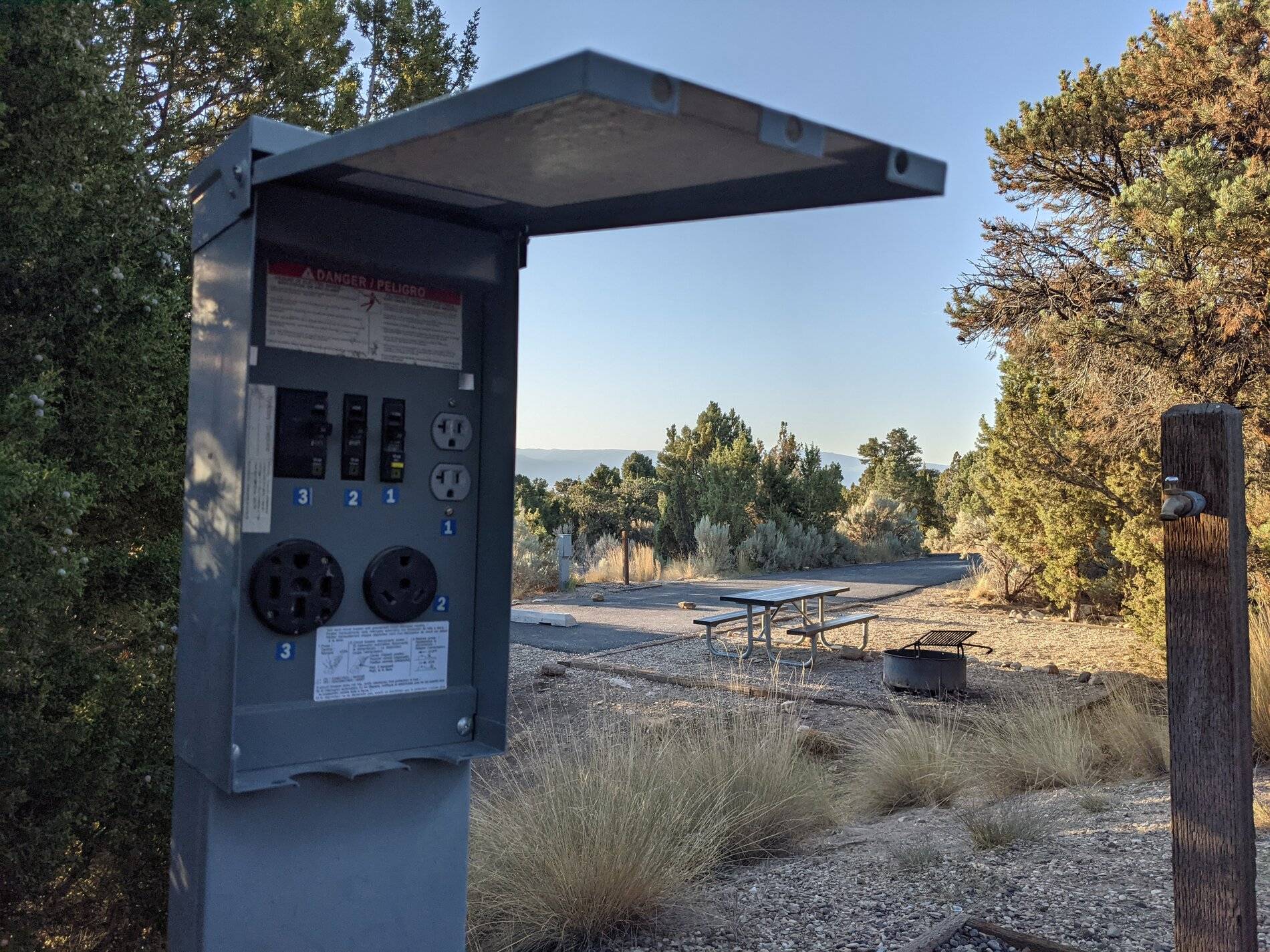
A vital RV hookup at Castle Rock SP, ID.

Charging:
When discussing our plans to camp with the Mustang Mach-E, most people were immediately concerned about running out of charge in remote areas, not realizing that we were able to fuel up anywhere an RV can plug in. Thankfully, even the emptiest parts of America are full of RV parks.

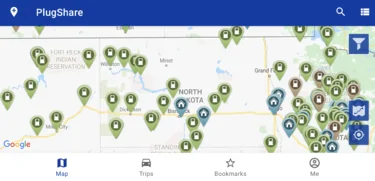
35120-c41402d90a5f533ff8d78317e24a2fb8.png

Seriously, look at North Dakota. And this is only for 14-50s.

From our (limited) experience, most major RV campgrounds with electrical hookups seem to have 14-50s, but even more (particularly older, more remote and less developed) grounds will have 5-15s (standard household) and/or TT-30s (RV30). With an adapter and a 24A EVSE (~$250 together, can also be used at airbnbs with 14-30 dryer outlets in garages, if you ask nicely), a TT-30 can charge about twice as fast as the Ford Mobile Charger on a 5-15, but since both use 120V service, these are going to be considerably slower than the preferred 14-50 hookup. Still, 36-72 miles overnight (estimates for 12 hours) is often enough to get to the next fast charger in the nearest city. That rule about asking nicely applies everywhere. Some RV park operators are cagey about EVs, others will let you charge free while at their shop/restaurant or around town.

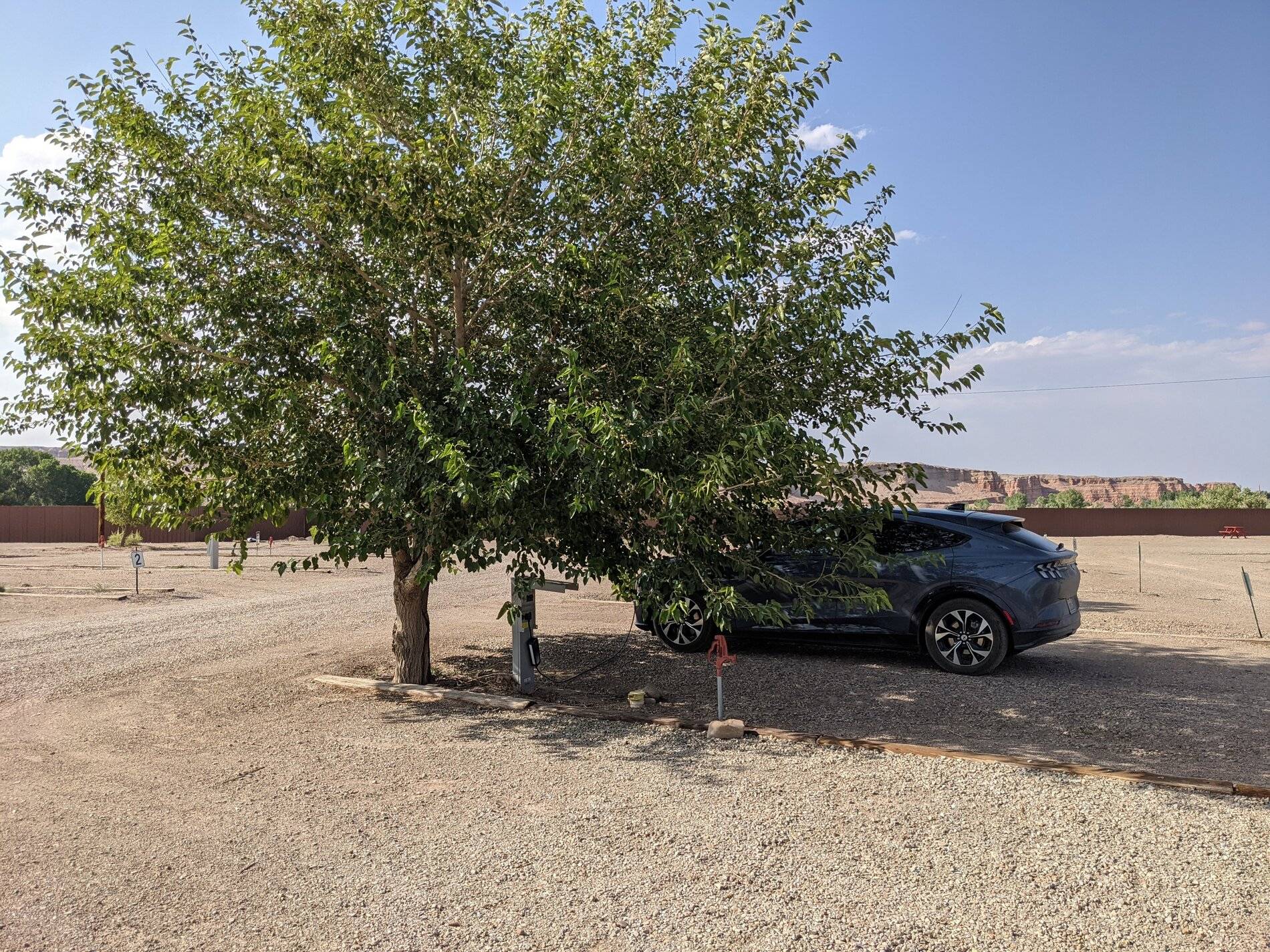
PXL_20210809_231705688.jpg

Free L2 charging and shade with a steak dinner in mesa country. As TeslaBjorn says, Always Be Charging.
Why did you buy Telsa Tap 30? And did you find it necessary for most overnight charging?
 
OP
OP
ebeponyan

ebeponyan

Well-Known Member
Joined
Mar 11, 2021
Threads
11
Messages
473
Reaction score
1,311
Location
Puget Sound
Vehicles
2021 Infinite Blue Mach-E Premium AWD ER
Country flag
Why did you buy Telsa Tap 30? And did you find it necessary for most overnight charging?
Not a Tesla Tap, but an adapter from TT-30 RV hookups to a 14-30. It's not necessary, but it was useful for our circumstances. The Ford mobile charger cannot be used on 30A circuits, and we already bought a 24A EVSE to use at my folk's house, so this adapter helped open up our overnight charging options. There are a surprising number of campgrounds and RV parks scattered around remote areas which may otherwise be charging deserts, but many of these are only outfitted with old TT-30s rather than the 50A hookups that are compatible with the Ford mobile charger.

Worth noting that TT-30s are 120V circuits, and as far as I've seen for the Mach-E, all 120V charging is limited to 1.2kW regardless of the capabilities of the EVSE and circuit. Almost all TT-30 hookups are going to have regular 5-15s that the Ford Mobile Charger can plug into, but a little redundancy isn't the worst idea when going out to remote areas.
Sponsored

 
Last edited:


Top