ChrisO
Well-Known Member
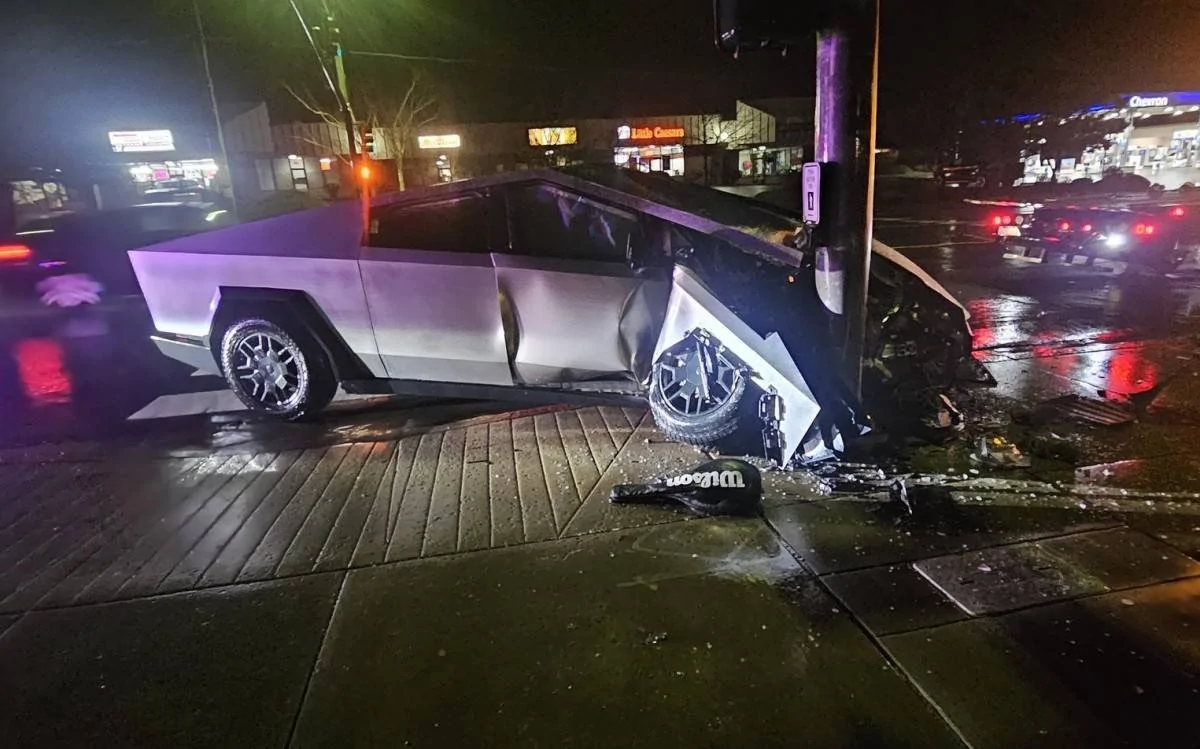
Very good points. I was definitely letting the "fake wall" off too easy. The more I think about it, there are also the cases where a Tesla has run over a Harley Davison motorcycle because the back lights look like a car's back lights in the distance. That wouldn't happen with any system the can actually judge distance.I mostly agree with you, but this is inaccurate. Many ASAD systems have (in)famously failed to recognize such things as "walls" whether they're other vehicles like tractor trailers or "actual" walls. People are accepting at face-value the "(full) self driving" claims and letting the vehicle take over when they shouldn't. It's a problem caused by both manufacturer and driver.
A system with "stereo vision" uses automated feature matching to determine the depth/distance to objects within the scene. Automated feature matching fails dramatically when it's presented with a flat, monotone, or otherwise featureless object. A brick wall that fills most of the field of view will look like nothing--like a blank scene; there will be no depth/distance information in that scene. Any 3D features that are in a wall are too small to match at the resolutions and speeds required for safety while driving.
Automated matching also fails when there are confusing signals such as flashing lights or repeated similar or identical objects. This is especially true when those flashing lights alternate colors or positions (safety vehicles). A flashing blue/red light in one scene that's either off or in a different place in the next scene can cause very weird distance/movement results even though the lights are not moving. Confusing results can also happen with a series of identical traffic control devices.
A poorly-designed safety system will not respond well to such scenes. An overly-permissive system might decide it's a glitch and continue driving. An overly-responsive system might slam on the brakes on a freeway when the vehicle is heading into the sun b/c the scene is washed out and the system decides it might be seeing a wall. A cautious system might yell at the driver to take over, but if they weren't paying attention, it may be too late. Figuring all of this out is not an easy task to program.
A system with two or more sensor types and a diversity of data would be able to cross reference the data and respond more appropriately.
Sponsored
Last edited: