louibluey
Well-Known Member
- First Name
- Joe
- Joined
- Dec 21, 2020
- Threads
- 60
- Messages
- 888
- Reaction score
- 1,127
- Location
- NY
- Vehicles
- FE "Louibluey" GB
- Occupation
- retired

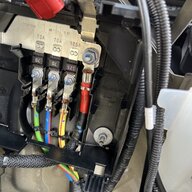
Opened up the Frunk to check the jesus bolt (hope that does not offend anyone, it is what helicopter pilots call a nut that if it comes off, the helo crashes)
It is larger than I guessed from the pictures. Using a 3/8" ratchet wrench a 1/2" or 13mm socket works. It was tight when I loosened it, so probably no problem for Louiebluey. The stud is 7mm, so just over a US 1/4", but less than US 5/16" threaded stud. The 1/2" socket was a very slightly better fit, but I'm 99% sure that the nut is 13mm.
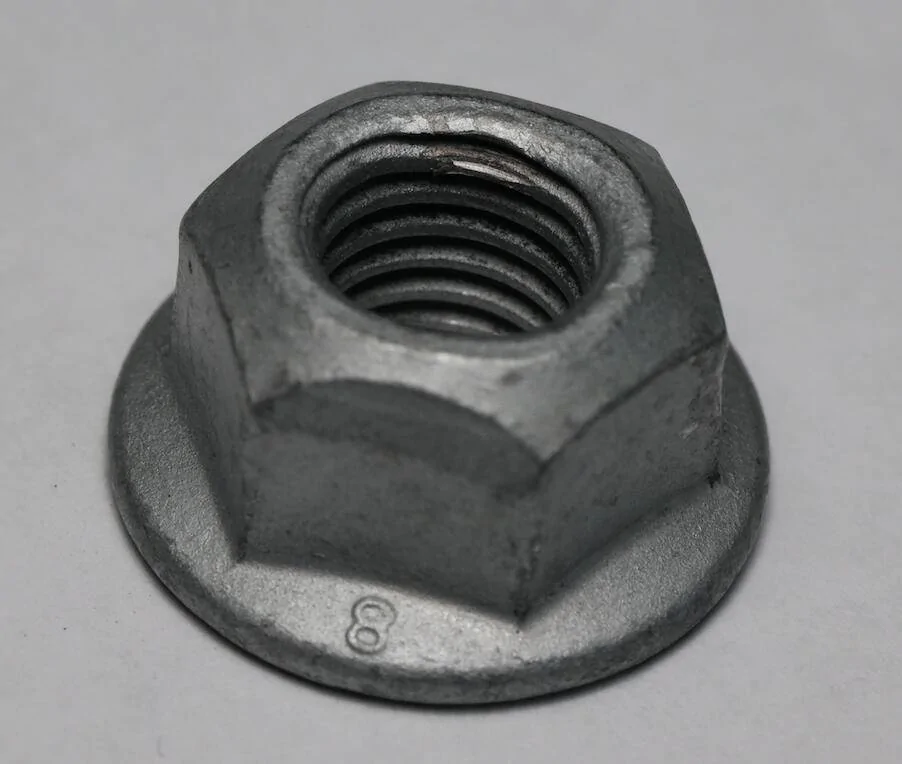
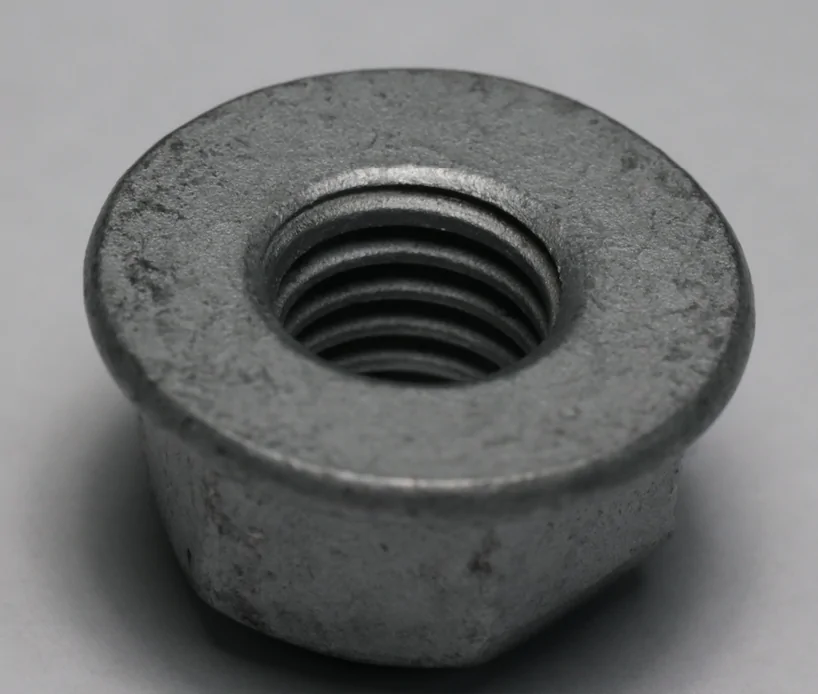
Our nut is a 13mm non-serrated flange nut, threads 1.25mm The markings are "8" one side and "S" on the other.
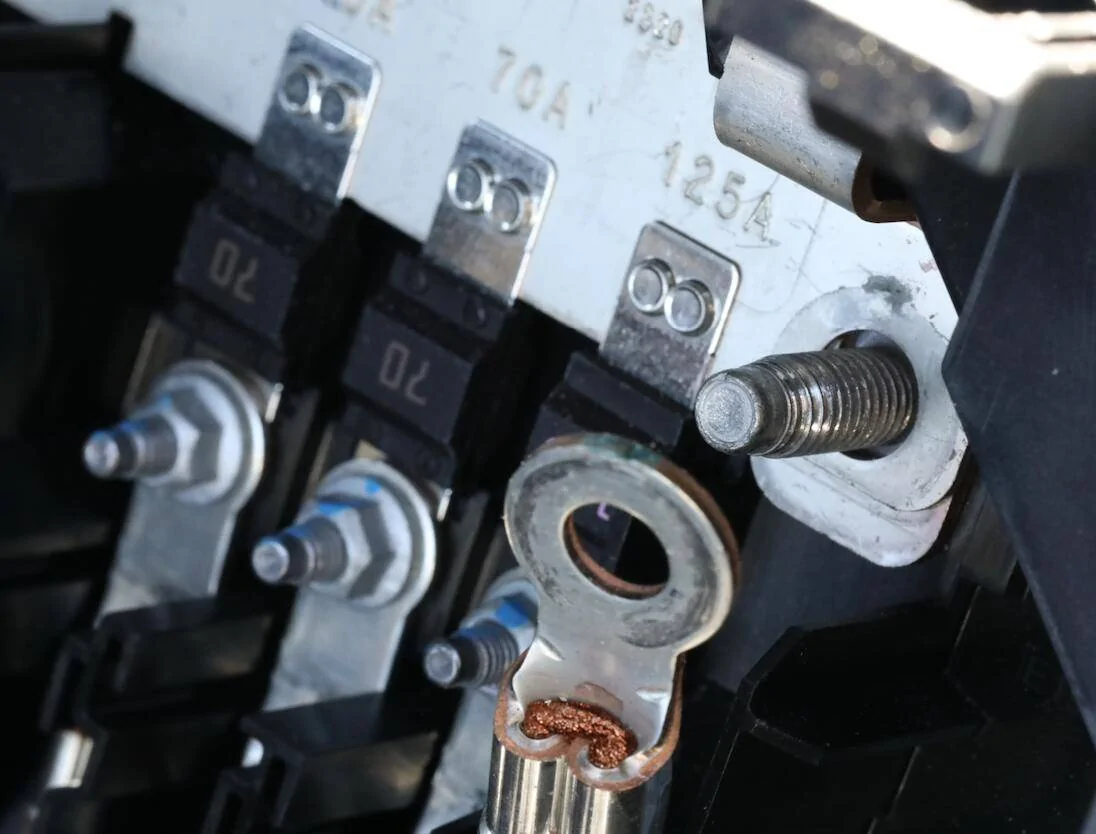
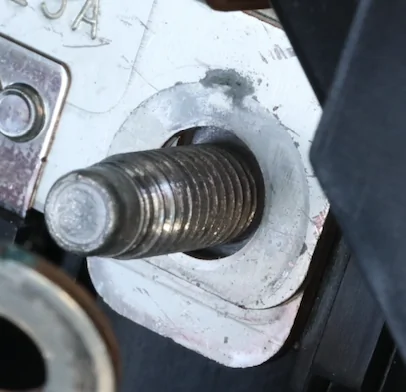
The stud is 7mm diameter, 1.25mm threads, no markings as to metal type or strength grade (might be on the head which is not visible without pulling the panel from the chassis; I don't think I am that curious yet.
It is possible that I measured the diameter incorrectly and these studs/nuts are 8mm (I think the "8" on the nut is a hardness number, not size). I think I got the 7mm measurement right, but it needs to be double checked.
I'm guessing over 100 in-lbs for the larger nut, but we need a Mechanical fastener expert to weigh in based on the markings ("8 S"), stud diameter (7mm), type of metal, threads, etc. Short of a torque spec, "tight" is good. Be more careful with the smaller studs to the left (8mm) if you check those. Any of these studs can be sheered off if too much force is used.
There is a little marking on the surface the flange tightens over. It does not look like enough to be an intentional compound, but perhaps more than just a mark from moisture, not sure. If you use anything like dielectric grease, I would only use a tiny amount between the lug and the metal surface. I would use care to get no grease on the threads or under the nut flange.
Unless we get more reports, although a horrendous event for the OP, I think this could be a one-off type failure. I doubt that owners need to pull the frunk to check this nut. You might do more damage than good. OTOH, if you do check yours, tell us if you found it tight.


It is larger than I guessed from the pictures. Using a 3/8" ratchet wrench a 1/2" or 13mm socket works. It was tight when I loosened it, so probably no problem for Louiebluey. The stud is 7mm, so just over a US 1/4", but less than US 5/16" threaded stud. The 1/2" socket was a very slightly better fit, but I'm 99% sure that the nut is 13mm.
Our nut is a 13mm non-serrated flange nut, threads 1.25mm The markings are "8" one side and "S" on the other.
The stud is 7mm diameter, 1.25mm threads, no markings as to metal type or strength grade (might be on the head which is not visible without pulling the panel from the chassis; I don't think I am that curious yet.
It is possible that I measured the diameter incorrectly and these studs/nuts are 8mm (I think the "8" on the nut is a hardness number, not size). I think I got the 7mm measurement right, but it needs to be double checked.
I'm guessing over 100 in-lbs for the larger nut, but we need a Mechanical fastener expert to weigh in based on the markings ("8 S"), stud diameter (7mm), type of metal, threads, etc. Short of a torque spec, "tight" is good. Be more careful with the smaller studs to the left (8mm) if you check those. Any of these studs can be sheered off if too much force is used.
There is a little marking on the surface the flange tightens over. It does not look like enough to be an intentional compound, but perhaps more than just a mark from moisture, not sure. If you use anything like dielectric grease, I would only use a tiny amount between the lug and the metal surface. I would use care to get no grease on the threads or under the nut flange.
Unless we get more reports, although a horrendous event for the OP, I think this could be a one-off type failure. I doubt that owners need to pull the frunk to check this nut. You might do more damage than good. OTOH, if you do check yours, tell us if you found it tight.
Sponsored
Last edited: