ocdxfv
Well-Known Member
- First Name
- Matt
- Joined
- Feb 11, 2021
- Threads
- 19
- Messages
- 250
- Reaction score
- 329
- Location
- Orange County, CA
- Vehicles
- 2021 Mach E, 2013 Toyota Rav4 EV
- Occupation
- Retired radiology tech

- Thread starter
- #1
I’m posting this here because there may be a few folks out there interested in this topic… AND…I don’t know where else to post it.
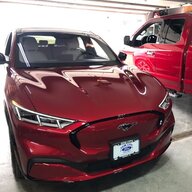
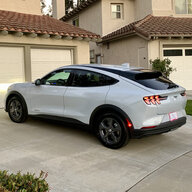
A few years ago I found a deal that I couldn’t pass up… a new Tesla Gen 3 Wall Connector for around $325. I have a “Tesla Tap” so I was able to use it to charge my wife’s 2013 Rav4 EV on a separate circuit from the 30a dryer outlet I use for my 2021 MME. Recently, I picked up a second Gen 3 that was being offered on Ebay for “parts'' (they weren’t able to determine that it worked). After confirming that it functioned perfectly, I decided to use this second unit to explore the Tesla “Power Sharing” feature. I did all of the work myself (with the help of the Internet) and this is what I ended up with.
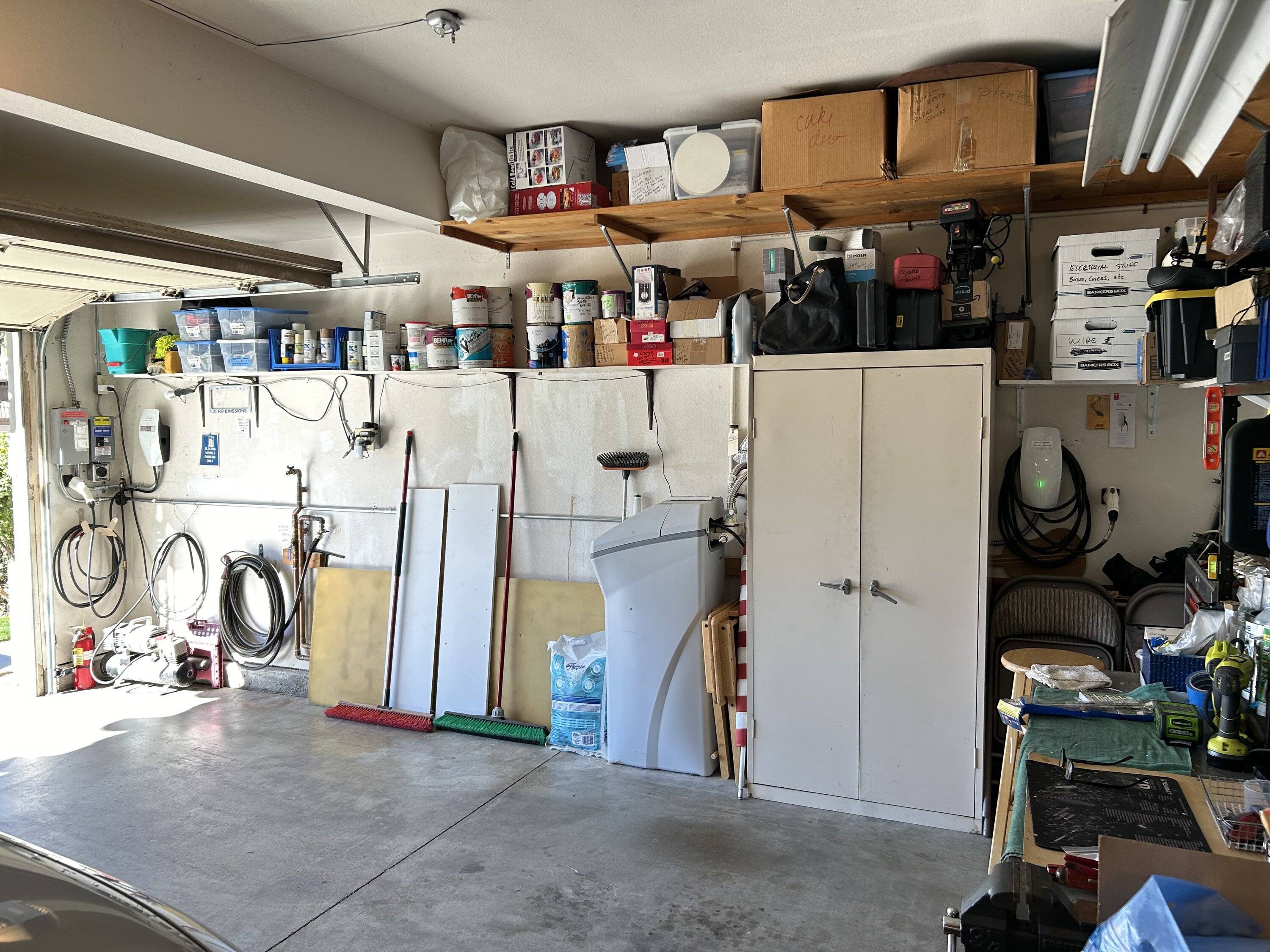
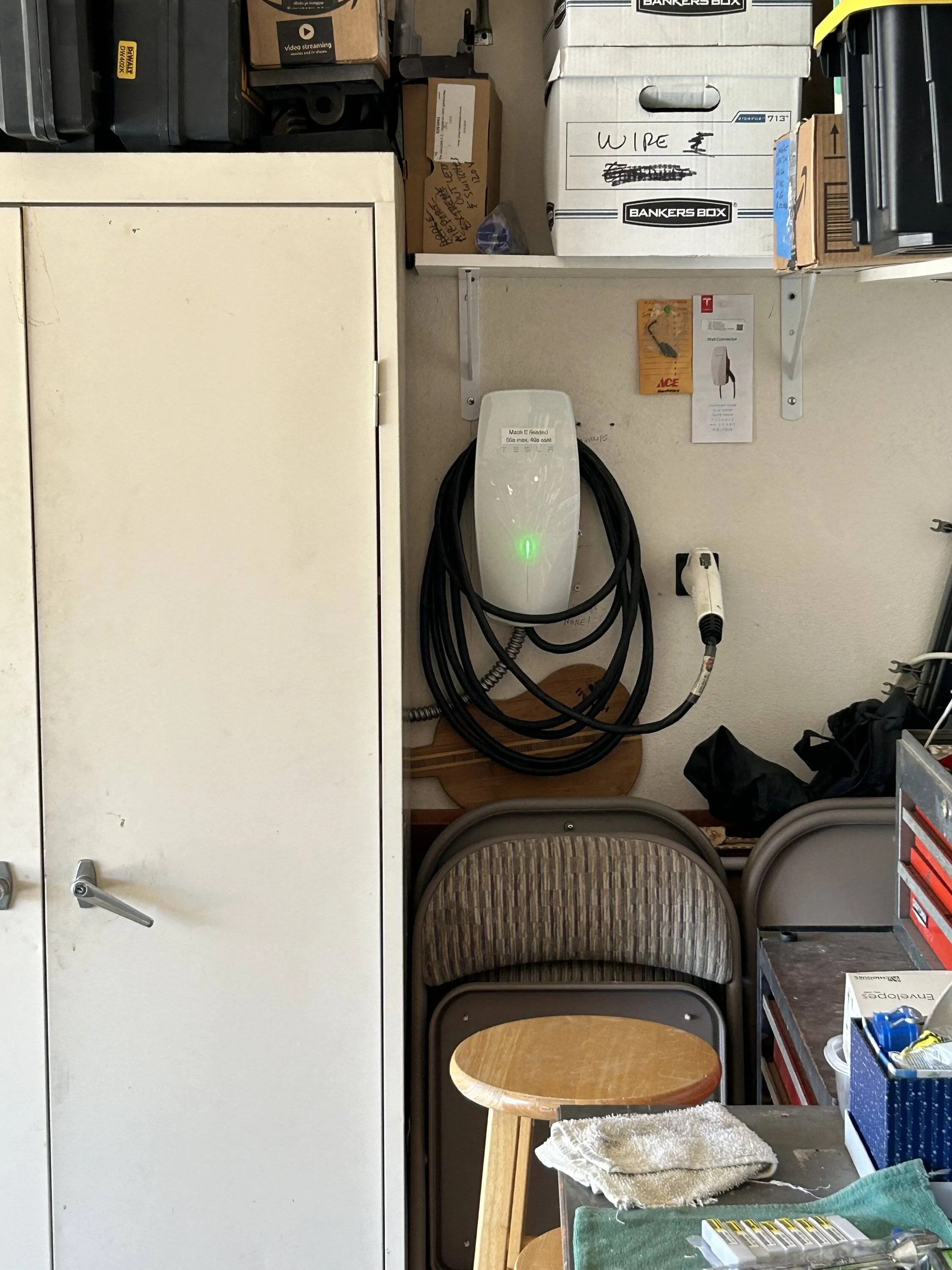
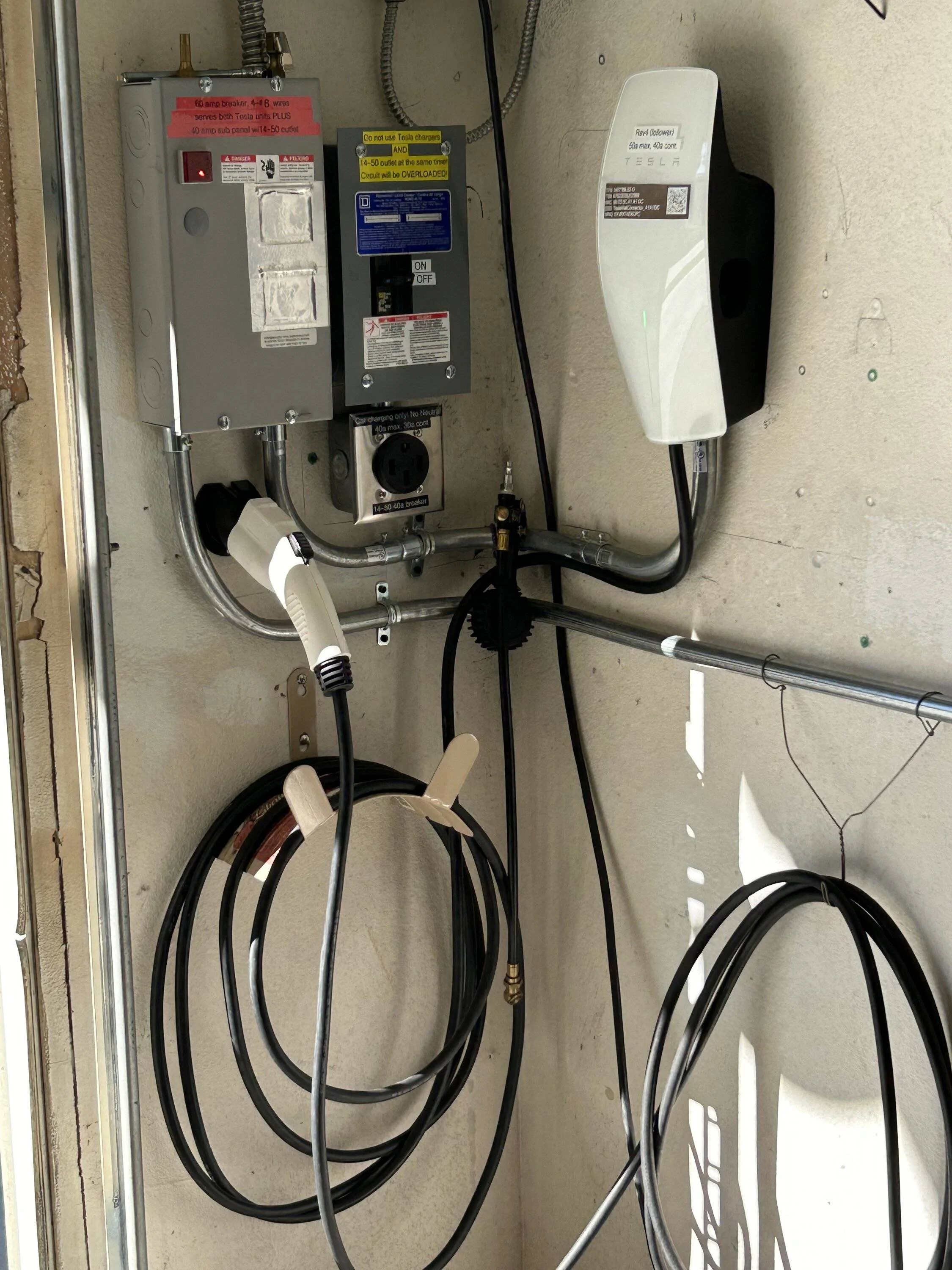
First of all, I changed out both cables to J1772 plugs because I don’t own a Tesla AND I didn’t want to purchase a second “Tesla Tap”. This change was relatively simple using a YouTube video that explained the process (search for “Tesla Wall Connector J1772 conversion”). Next, I upgraded the existing 40a circuit to 60a using a new breaker and #6 wires. Next I installed a “distribution” box (left side on the photo) that would allow both Tesla units to be powered by one circuit, and ran #6 wires in conduit to the second wall connector’s location (right side on the photo). Note: The breaker and RV outlet next to the distribution panel is simply a backup in case I need to use the Ford provided cable.
Using wifi and my phone, I set up the MME as the “leader”, then set the RAV4 as the “follower”, which allows me to charge either car at full power, or both cars at the same time, sharing the load equally. When one car is finished, the load shifts to full power on the other car. Monitoring both units is done through the Tesla App on my phone.
While I rarely NEED to charge both cars at the same time, power sharing does make it simpler for me to plug in during the day and charge using “cleaner” energy. It also enables me to set both units to stop charging when my rates are high (4pm-9pm).
My neighbor (who charges his 2 Teslas with 1 cable) thinks I’m crazy. However, this seems like it could be a good option for people with 2 EVs, especially those who might not have room on their main panel to add a second circuit.


A few years ago I found a deal that I couldn’t pass up… a new Tesla Gen 3 Wall Connector for around $325. I have a “Tesla Tap” so I was able to use it to charge my wife’s 2013 Rav4 EV on a separate circuit from the 30a dryer outlet I use for my 2021 MME. Recently, I picked up a second Gen 3 that was being offered on Ebay for “parts'' (they weren’t able to determine that it worked). After confirming that it functioned perfectly, I decided to use this second unit to explore the Tesla “Power Sharing” feature. I did all of the work myself (with the help of the Internet) and this is what I ended up with.
First of all, I changed out both cables to J1772 plugs because I don’t own a Tesla AND I didn’t want to purchase a second “Tesla Tap”. This change was relatively simple using a YouTube video that explained the process (search for “Tesla Wall Connector J1772 conversion”). Next, I upgraded the existing 40a circuit to 60a using a new breaker and #6 wires. Next I installed a “distribution” box (left side on the photo) that would allow both Tesla units to be powered by one circuit, and ran #6 wires in conduit to the second wall connector’s location (right side on the photo). Note: The breaker and RV outlet next to the distribution panel is simply a backup in case I need to use the Ford provided cable.
Using wifi and my phone, I set up the MME as the “leader”, then set the RAV4 as the “follower”, which allows me to charge either car at full power, or both cars at the same time, sharing the load equally. When one car is finished, the load shifts to full power on the other car. Monitoring both units is done through the Tesla App on my phone.
While I rarely NEED to charge both cars at the same time, power sharing does make it simpler for me to plug in during the day and charge using “cleaner” energy. It also enables me to set both units to stop charging when my rates are high (4pm-9pm).
My neighbor (who charges his 2 Teslas with 1 cable) thinks I’m crazy. However, this seems like it could be a good option for people with 2 EVs, especially those who might not have room on their main panel to add a second circuit.
Sponsored