
Priority Update 23-PU0314-DCM-LAT

CarGuy11

Well-Known Member
Joined
Dec 11, 2022
Threads
49
Messages
1,035
Reaction score
492
Location
Pittsburgh
Vehicles
2022 MachE4X Prem, 2020 GRSupra, 2016 Corvette Z51, 2024 Emira
Country flag
No, you got the 21B36 OTA, not this one.

23-PU0314-DCM-LAT is a door latch module update to prevent false alarms.

(DCME, DCMF, DCMG, DCMH updated to - AM)
False alarms?
Sponsored


Mike G

Well-Known Member
First Name
Mike
Joined
Mar 27, 2022
Threads
25
Messages
6,449
Reaction score
5,289
Location
N. AL, USA
Vehicles
'23(J1) Mach-E GT-PE, '22 F-150 Lightning, '24 Bronco HLE 2Dr
Country flag
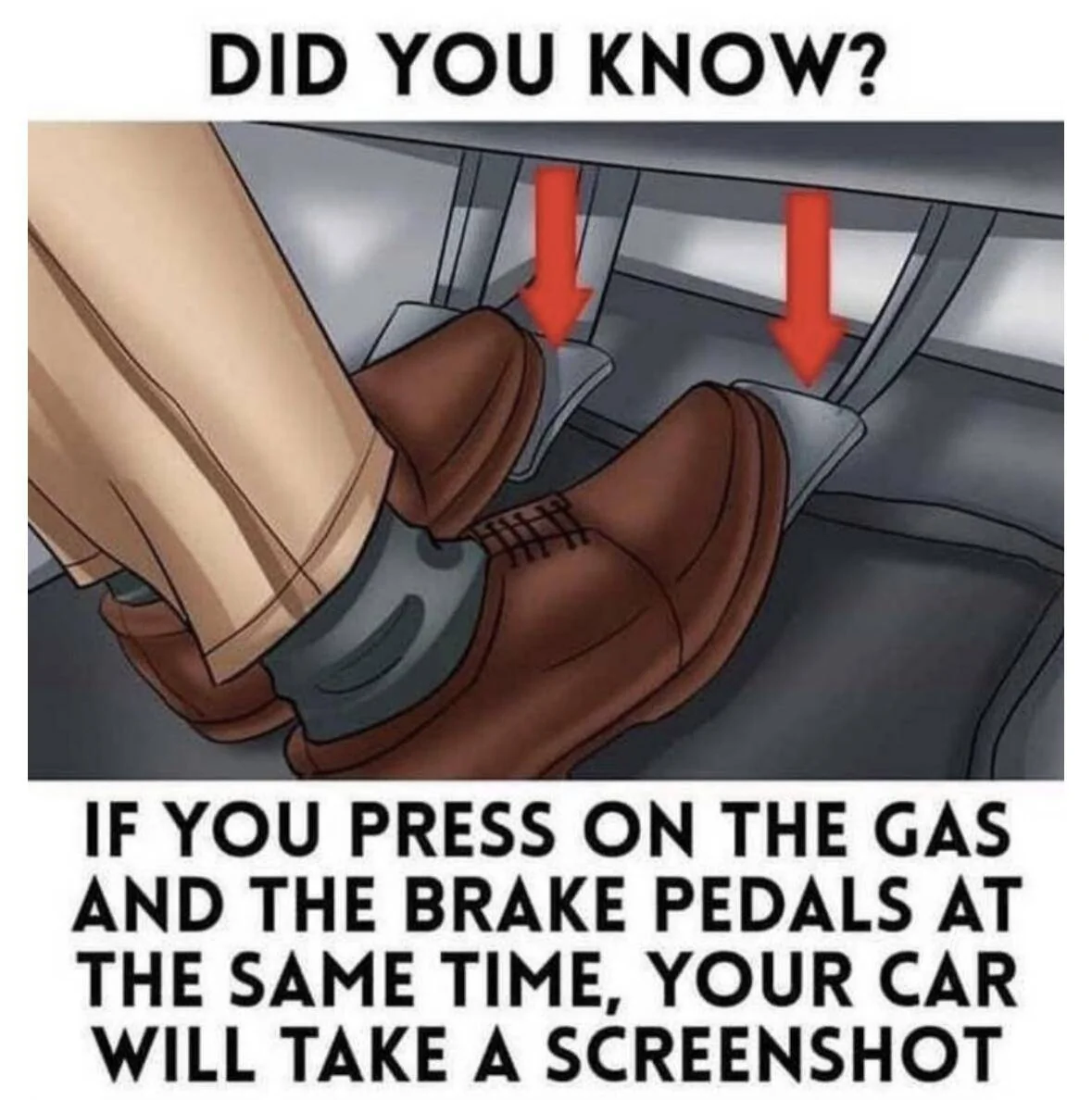
Really? I thought you might be joking at first, like…
1687514877325.png
Yeah this little BMS relearn procedure is far less dramatic than the one that's used to force the TCU to connect to the mothership (10 keycycles), or the one that the techs do to take a car out of transport mode.
 

MacherAWD

Well-Known Member
First Name
Erik
Joined
Mar 29, 2022
Threads
14
Messages
1,822
Reaction score
2,704
Location
North Shore MA
Vehicles
2021 AWD Select C&T, 2020 Bolt Premier
Occupation
Healthcare Software
Country flag
That is how you get the fastest launch from zero. I have not tried it myself. There is something about a locked rotor pushing against the physical brakes that sounds very bad for the car. I know people do it, but I am reluctant to try it myself.

Now watch - today I will do it.... ?
A brake stand, I was shocked the MME let you preload the throttle but it does. I have tried this, but not with a very hard launch. If rwd you could lock the fronts and do a smoke show


TGIF

Well-Known Member
Joined
Oct 12, 2021
Threads
31
Messages
584
Reaction score
602
Location
IA
Vehicles
‘18 Pacifica PHEV, ‘22 RR Premium 4X
Country flag
So, I have gotten both the updates mentioned on consecutive nights this week. I get excited about getting updates but then don’t notice anything different. Is that a good thing?
 

eStang

Well-Known Member
First Name
Larry
Joined
Apr 14, 2020
Threads
6
Messages
373
Reaction score
487
Location
Illinois
Vehicles
2021 Mustang Mach-E FE, 2021 Mustang Mach-E GT
Occupation
software salesperson
Country flag
You can also reset your 12V battery learned values to make sure the battery is getting fully recharged while you're driving.

Here's how to do that:
Press the start button without stepping on the brake.
Flash the highbeams with the stalk 5 times, and then step on the brake pedal 3 times, and after that check the red battery icon on the instrument panel to see that it flashes like three times. And then shut the ignition off. And then you can turn the car fully on and drive off. Your 12V battery should then fully recharge (if it wasn't doing that before).
@Mike G - thank you for sharing the 12V battery learned Values reset procedure. You saved me a trip to the dealer to get my latest Power-Up to finally install after 8+ failures.
 

Jimrpa

Well-Known Member
First Name
Jim
Joined
Sep 10, 2020
Threads
297
Messages
9,514
Reaction score
12,847
Location
Wayne, PA
Vehicles
2021 Infinite Blue Premium Mustang Mach E ER AWD
Occupation
Retied (formerly tried to herd highly technical, independent cats)
Country flag
I am just saying there is a lot of overhead associated with tapping into the HVB. The overhead is what causes the vampire drain, not charging the LVB itself.

When my car is plugged in, it does maintain the LVB. It is strange yours does not. Plugged in there is no such thing as vampire drain because the car can use EVSE power to keep the LVB topped off.

Your frustration is valid. I am not disagreeing with it, just pointing out why it isn't that easy to keep the LVB fully charged when the car is unplugged. Well, that is if you want to avoid draining the HVB.
Thanks. I appreciate that. And a quick update: my car WAS on the EVSE last night and this morning, the update is still shown as failed and the update now button is still grayed out ?
 

Mike G

Well-Known Member
First Name
Mike
Joined
Mar 27, 2022
Threads
25
Messages
6,449
Reaction score
5,289
Location
N. AL, USA
Vehicles
'23(J1) Mach-E GT-PE, '22 F-150 Lightning, '24 Bronco HLE 2Dr
Country flag
Thanks. I appreciate that. And a quick update: my car WAS on the EVSE last night and this morning, the update is still shown as failed and the update now button is still grayed out ?
If I leave either the car or the truck plugged in and they charge up...after they do that nothing is keeping the 12V battery from doing it's normal overnight discharge down to below the 80% SOC threshold necessary for the OTA logic to allow updates to proceed. There may be a misconception concerning whether or not the 12V battery is consistently maintained above 80% when the EVSE is connected. It is not.

The process for recharging the 12V battery (whether plugged in to the EVSE or not) only takes place if the 12V battery A)drops to 40% at which point a timer is started that will recharge the battery back up once 48hrs at that SOC have elapsed, or B)the state of charge drops to 30% at which point the system will use either HV or wall power (EVSE) to recharge the 12V battery back up above 80%.

So the problem is that when setting the OTA schedule to check at the (as delivered by Ford) default 0100 (AM) timeframe, even if the car is plugged in to the EVSE, nothing is preventing the inevitable overnight discharge of the 12V battery down below the 80% threshold by that time, and the OTA logic will not allow the update to proceed.

I've done updates using FDRS on both my vehicles for over a year now, mostly first thing in the morning, and in every single instance when doing updates, as soon as the powersupply was connected prior to starting to program updates, the state-of-charge of the 12V battery was invariably below 80% and had to be charged back up before doing the updates (or FDRS complains that it's too low). I have seen instances where the 12V battery was as low as 50% SOC at times.

Bottom line: Setting your car to check for updates in the middle of the night will not result in the same success rate as setting it to check about 15 minutes into a normal daily commute time (either to or from work, either way). You need that little drive time to allow the DCDC converter to recharge your 12V battery back up after the overnight drain. Leaving your car plugged in overnight does not "trickle-charge" your 12V battery.
 

HuntingPudel

Well-Known Member
First Name
Steve
Joined
Mar 23, 2021
Threads
88
Messages
12,929
Reaction score
17,372
Location
Bay Area, CA
Vehicles
2024 MME GT with Performance Upgrade, 1979 Fire-Am, 1972 K/5 Blazer
Occupation
Engineering
Country flag
To piggyback on @Mike G i noticed that my downloads happen whenever they happen, but the updates themselves do not get applied until my 12V has been fed (usually the next day when my car is in the parking lot at work, sometimes not until I drive back home and park in my driveway). For me, that’s fine since I have applied some updates via FDRS and allowed the car to OTA itself for others. For those without FDRS access, you may want to create a workable strategy to download and install the OTAs. I’m actually thinking of changing my OTA schedule to be some short time after I park in my driveway, but I’m a lazy dog and don’t have a big concern over it. ?‍♂?
 

mkhuffman

Well-Known Member
First Name
Mike
Joined
Nov 19, 2020
Threads
29
Messages
6,875
Reaction score
9,507
Location
Virginia
Vehicles
2025 Rivian R1T Tri-Max, Jeep GC-L, VW Jetta
Country flag
If I leave either the car or the truck plugged in and they charge up...after they do that nothing is keeping the 12V battery from doing it's normal overnight discharge down to below the 80% SOC threshold necessary for the OTA logic to allow updates to proceed. There may be a misconception concerning whether or not the 12V battery is consistently maintained above 80% when the EVSE is connected. It is not.

The process for recharging the 12V battery (whether plugged in to the EVSE or not) only takes place if the 12V battery A)drops to 40% at which point a timer is started that will recharge the battery back up once 48hrs at that SOC have elapsed, or B)the state of charge drops to 30% at which point the system will use either HV or wall power (EVSE) to recharge the 12V battery back up above 80%.

So the problem is that when setting the OTA schedule to check at the (as delivered by Ford) default 0100 (AM) timeframe, even if the car is plugged in to the EVSE, nothing is preventing the inevitable overnight discharge of the 12V battery down below the 80% threshold by that time, and the OTA logic will not allow the update to proceed.

I've done updates using FDRS on both my vehicles for over a year now, mostly first thing in the morning, and in every single instance when doing updates, as soon as the powersupply was connected prior to starting to program updates, the state-of-charge of the 12V battery was invariably below 80% and had to be charged back up before doing the updates (or FDRS complains that it's too low). I have seen instances where the 12V battery was as low as 50% SOC at times.

Bottom line: Setting your car to check for updates in the middle of the night will not result in the same success rate as setting it to check about 15 minutes into a normal daily commute time (either to or from work, either way). You need that little drive time to allow the DCDC converter to recharge your 12V battery back up after the overnight drain. Leaving your car plugged in overnight does not "trickle-charge" your 12V battery.
To piggyback on @Mike G i noticed that my downloads happen whenever they happen, but the updates themselves do not get applied until my 12V has been fed (usually the next day when my car is in the parking lot at work, sometimes not until I drive back home and park in my driveway). For me, that’s fine since I have applied some updates via FDRS and allowed the car to OTA itself for others. For those without FDRS access, you may want to create a workable strategy to download and install the OTAs. I’m actually thinking of changing my OTA schedule to be some short time after I park in my driveway, but I’m a lazy dog and don’t have a big concern over it. ?‍♂?
This finally explains to me why my updates always seem to pop up when I am driving. Cool. You guys are so smart.
 

Jimrpa

Well-Known Member
First Name
Jim
Joined
Sep 10, 2020
Threads
297
Messages
9,514
Reaction score
12,847
Location
Wayne, PA
Vehicles
2021 Infinite Blue Premium Mustang Mach E ER AWD
Occupation
Retied (formerly tried to herd highly technical, independent cats)
Country flag
If I leave either the car or the truck plugged in and they charge up...after they do that nothing is keeping the 12V battery from doing it's normal overnight discharge down to below the 80% SOC threshold necessary for the OTA logic to allow updates to proceed. There may be a misconception concerning whether or not the 12V battery is consistently maintained above 80% when the EVSE is connected. It is not.

The process for recharging the 12V battery (whether plugged in to the EVSE or not) only takes place if the 12V battery A)drops to 40% at which point a timer is started that will recharge the battery back up once 48hrs at that SOC have elapsed, or B)the state of charge drops to 30% at which point the system will use either HV or wall power (EVSE) to recharge the 12V battery back up above 80%.

So the problem is that when setting the OTA schedule to check at the (as delivered by Ford) default 0100 (AM) timeframe, even if the car is plugged in to the EVSE, nothing is preventing the inevitable overnight discharge of the 12V battery down below the 80% threshold by that time, and the OTA logic will not allow the update to proceed.

I've done updates using FDRS on both my vehicles for over a year now, mostly first thing in the morning, and in every single instance when doing updates, as soon as the powersupply was connected prior to starting to program updates, the state-of-charge of the 12V battery was invariably below 80% and had to be charged back up before doing the updates (or FDRS complains that it's too low). I have seen instances where the 12V battery was as low as 50% SOC at times.

Bottom line: Setting your car to check for updates in the middle of the night will not result in the same success rate as setting it to check about 15 minutes into a normal daily commute time (either to or from work, either way). You need that little drive time to allow the DCDC converter to recharge your 12V battery back up after the overnight drain. Leaving your car plugged in overnight does not "trickle-charge" your 12V battery.
Thanks for the insight. It is odd though that, I usually don’t have problems with updates (well, since the very early days). It seems odd that this just started. My use of the car and my charging habits haven’t changed.
 

Jim D

Well-Known Member
First Name
Jim
Joined
May 6, 2021
Threads
3
Messages
256
Reaction score
223
Location
Mahopac NY
Vehicles
Mustang Mach E - GT
Occupation
Software Engineer
Country flag
Their info on the updates SUCK!
Sponsored


Top