Why did Ford choose 11kW charging for Level 2?

Clockwork

Well-Known Member
Joined
Jul 30, 2024
Threads
3
Messages
108
Reaction score
236
Location
Wisconsin
Vehicles
2024 Mustang Mach-E Rally
It doesn't make a huge difference and I have no gripes about charge time, but why did Ford choose 11kW for Level 2 charging? This has been our only EV that has this limit.

- 2021 Tesla Model 3 Performance: 11.5 kW
- 2022 Rivian R1T Adventure quad: 11.5 kW
- 2024 Chevy Equinox 3LT eAWD: 11.5 kW

Seems the Mach-E is the odd man out in this scenario. Did it just come down to a cost/benefit analysis on Ford's part? In house or tier 1 supply chain availability?

Yes, I know it is nitpicky to question a .5kW difference, but I am truly curious.
Sponsored
 

HuntingPudel

Well-Known Member
First Name
Steve
Joined
Mar 23, 2021
Threads
88
Messages
12,927
Reaction score
17,370
Location
Bay Area, CA
Vehicles
2024 MME GT with Performance Upgrade, 1979 Fire-Am, 1972 K/5 Blazer
Occupation
Engineering
Country flag
If you are getting the information out of the app, Ford truncates the charge rate. It calls 32A L2 charging 7KW when it’s 7.6 and change. ?‍♂?
 
OP
OP
Clockwork

Clockwork

Well-Known Member
Joined
Jul 30, 2024
Threads
3
Messages
108
Reaction score
236
Location
Wisconsin
Vehicles
2024 Mustang Mach-E Rally
If you are getting the information out of the app, Ford truncates the charge rate. It calls 32A L2 charging 7KW when it’s 7.6 and change. ?‍♂?
No, I am not. I am obtaining this info from my Tesla Wall Connector.
 

phidauex

Well-Known Member
First Name
Sam
Joined
Dec 8, 2020
Threads
17
Messages
966
Reaction score
1,843
Location
Colorado
Vehicles
2021 MachE 4EX, 2006 Prius, 1997 Tacoma
Occupation
Renewable Energy Engineer
Country flag
I think it is just different ways of presenting the specifications. In reality, if you were designing an onboard charger, you would design it to take advantage of the full 48A@240V input (11.5kW), but output will vary, because the efficiency will depend on the DC voltage (changing based on SOC). Some companies will describe their product based on input power, some on output power, and in reality they will all vary based on conditions.

94% would be a good estimate for the nominal efficiency of the onboard charger, which would give you 11.5kW in, 10.8kW out. You could describe it as an 11.5kW or an 11kW charger and be accurate enough.

In practice I think they are all probably substantially similar, and provided by one of a small number of OEMs.
 

RickMachE

Well-Known Member
Joined
Jul 1, 2021
Threads
267
Messages
17,897
Reaction score
27,849
Location
SE MI
Vehicles
2022 Mach-E Premium 4X, 2022 Lightning Lariat ER
Country flag
I believe they chose 48amps. 48x240=11.5kW. 7% loss to vehicle = 10.7kW.


OP
OP
Clockwork

Clockwork

Well-Known Member
Joined
Jul 30, 2024
Threads
3
Messages
108
Reaction score
236
Location
Wisconsin
Vehicles
2024 Mustang Mach-E Rally
I think it is just different ways of presenting the specifications. In reality, if you were designing an onboard charger, you would design it to take advantage of the full 48A@240V input (11.5kW), but output will vary, because the efficiency will depend on the DC voltage (changing based on SOC). Some companies will describe their product based on input power, some on output power, and in reality they will all vary based on conditions.

94% would be a good estimate for the nominal efficiency of the onboard charger, which would give you 11.5kW in, 10.8kW out. You could describe it as an 11.5kW or an 11kW charger and be accurate enough.

In practice I think they are all probably substantially similar, and provided by one of a small number of OEMs.
Except I can monitor via my Wall Connector the kW going in. As stated, one set of vehicles always hit 11.5. The Mach-E never goes beyond 11.
 

phidauex

Well-Known Member
First Name
Sam
Joined
Dec 8, 2020
Threads
17
Messages
966
Reaction score
1,843
Location
Colorado
Vehicles
2021 MachE 4EX, 2006 Prius, 1997 Tacoma
Occupation
Renewable Energy Engineer
Country flag
Except I can monitor via my Wall Connector the kW going in. As stated, one set of vehicles always hit 11.5. The Mach-E never goes beyond 11.
I see, I missed your post saying that you are measuring it. Do you have a voltage and current measurement, or just power? Voltage drop on your system at high power can drop your input voltage, dropping your maximum power - the limit is on current, not power, so if the unit is drawing, say 48A at 230V, ~4% voltage drop, then you'd hit 11kW as well.

I strongly suspect that if you measured actual charge power from a lot of EVSEs running all the way up at 48A you'd see a range of values, with only a handful actually getting all the way to 11.5kW.
 

HuntingPudel

Well-Known Member
First Name
Steve
Joined
Mar 23, 2021
Threads
88
Messages
12,927
Reaction score
17,370
Location
Bay Area, CA
Vehicles
2024 MME GT with Performance Upgrade, 1979 Fire-Am, 1972 K/5 Blazer
Occupation
Engineering
Country flag
I can’t answer the “why” since I am not a Ford engineer. I am not sure if this is a software issue or if the hardware cannot support that last 500 watts. @Mach-Lee might be able to illucidate on whether the hardware supports it. Not sure a question of “why” can be answered by anyone on the forum. ??
 

RickMachE

Well-Known Member
Joined
Jul 1, 2021
Threads
267
Messages
17,897
Reaction score
27,849
Location
SE MI
Vehicles
2022 Mach-E Premium 4X, 2022 Lightning Lariat ER
Country flag
Except I can monitor via my Wall Connector the kW going in. As stated, one set of vehicles always hit 11.5. The Mach-E never goes beyond 11.
I would be surprised if you're measuring the kW going in. Intelligent chargers show what's sent from the wall, not what the vehicle receives.
 

bbulkow

Well-Known Member
First Name
Brian
Joined
Aug 30, 2022
Threads
24
Messages
889
Reaction score
729
Location
menlo park, california
Vehicles
Honda CRV
Country flag
I see, I missed your post saying that you are measuring it. Do you have a voltage and current measurement, or just power? Voltage drop on your system at high power can drop your input voltage, dropping your maximum power - the limit is on current, not power, so if the unit is drawing, say 48A at 230V, ~4% voltage drop, then you'd hit 11kW as well.

I strongly suspect that if you measured actual charge power from a lot of EVSEs running all the way up at 48A you'd see a range of values, with only a handful actually getting all the way to 11.5kW.
The post as presented seem to be accurate measurement. As i read the post, all vehicles were measured at the op's home on the same charger.. The numbers were compared using the same metric, input voltage as measured by the charger.

I have no idea why Ford would choose this limit. Could be anything. Certainly a 5 percent difference in this use case doesn't matter.
 
OP
OP
Clockwork

Clockwork

Well-Known Member
Joined
Jul 30, 2024
Threads
3
Messages
108
Reaction score
236
Location
Wisconsin
Vehicles
2024 Mustang Mach-E Rally
The post as presented seem to be accurate measurement. As i read the post, all vehicles were measured at the op's home on the same charger.The numbers were compared using the same metric, input voltage as measured by the charger.

I have no idea why Ford would choose this limit. Could be anything. Certainly a 5 percent difference in this use case doesn't matter.
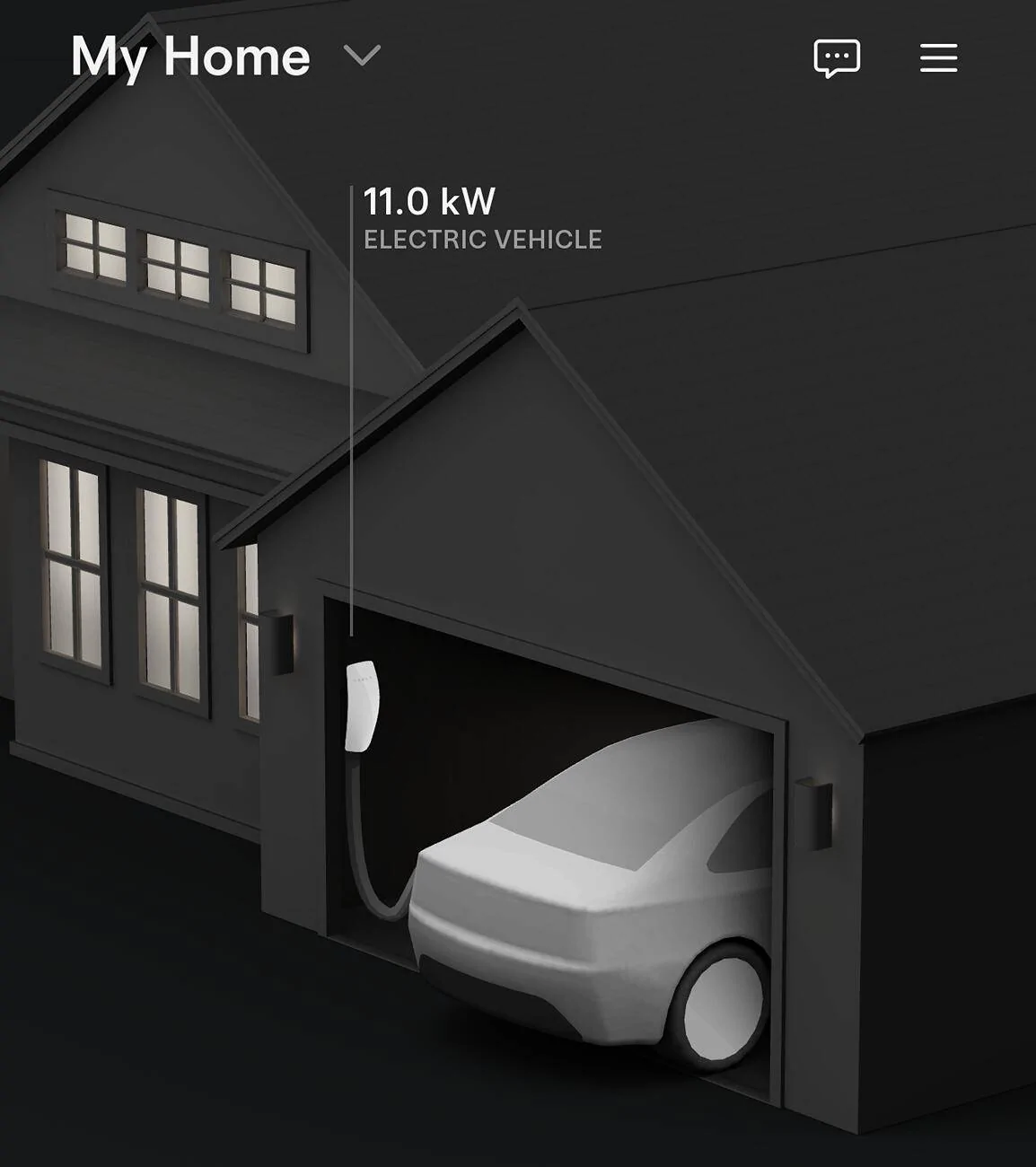
It's one screen.

Ford Mustang Mach-E Why did Ford choose 11kW charging for Level 2? 1000003533


I have seen this as 11.5 on the 3 mentioned vehicles. I never have seen this hit higher than 11 for the Mach-E.

The Tesla app has a separate Energy section with a charging session graph. This did have different numbers than the above, so I don't know the difference in measurement/methodology.

As I only have the Mach-E and Equinox charging sessions to compare (don't own the other two anymore), the Equinox numbers on the graph varied from 10.8 to 11.3. The Mach-E hovered at a flat and consistent 10.8.
 

AtomicInternet

Well-Known Member
Joined
Jul 31, 2023
Threads
29
Messages
863
Reaction score
1,434
Location
SC
Vehicles
Focus RS, Mach E Premium
Country flag
I'm going to make a wild guess and presume they added .5 kW as a safety buffer and might remove it in a future update.

I'm assuming all on-board EV AC/DC chargers are basically the same equipment, so if everyone else gets 11.5 kW the most reasonable explanation is "Ford safety buffer."
The battery can clearly take more, so either there's a hard limit from the on-board charger to the battery (maybe cable rating) or they added it in to prevent problems. Maybe our charger is mounted somewhere with less air circulation, so it was a thermal concern.

As I said, no answers. Just guesses.
 

azerik

Well-Known Member
First Name
Erik
Joined
Jan 8, 2023
Threads
79
Messages
4,545
Reaction score
4,556
Location
Chandler/Flagstaff, AZ
Vehicles
'21 Spacey Prem4x, '21 RX450H, 13 Focus EV
Occupation
DevSecNetOps, General PITA
Country flag
The Mach-E hovered at a flat and consistent 10.8.
You should be very happy with that (with this car). There's piles of us that are lucky to avg over 7kw thanks to something Ford hasn't fixed for us.
 
OP
OP
Clockwork

Clockwork

Well-Known Member
Joined
Jul 30, 2024
Threads
3
Messages
108
Reaction score
236
Location
Wisconsin
Vehicles
2024 Mustang Mach-E Rally
You should be very happy with that (with this car). There's piles of us that are lucky to avg over 7kw thanks to something Ford hasn't fixed for us.
I don't have a negative or positive opinion about it. Like I said, more of a curiosity than anything.

I do feel for your situation though. :-(
 

azerik

Well-Known Member
First Name
Erik
Joined
Jan 8, 2023
Threads
79
Messages
4,545
Reaction score
4,556
Location
Chandler/Flagstaff, AZ
Vehicles
'21 Spacey Prem4x, '21 RX450H, 13 Focus EV
Occupation
DevSecNetOps, General PITA
Country flag
Good to know that a 24 in cooler climates can charge properly though. However I won't run out and buy one if that's what Ford's trying to get me to do :devil:
Sponsored


Top