sayburr

Member
First Name
Michael
Joined
Feb 2, 2023
Threads
0
Messages
6
Reaction score
2
Location
Jamestown, NY
Vehicles
2021 Ford Mustang Mach-E Premium X4
Country flag
Reading this thread suggests the cabin should still have some heat even in single digit °F temperatures. If I understand correctly, the heater would be hitting 5kw if it were maxed out heating the battery and cabin.

So, I am wondering if my heater is not working properly or if its software related. On a recent trip to Montreal and at other times this winter when the temperature has dropped below 32° F, the cabin becomes very chilly. Looking at the Car Scanner app, the HVB Coolant Heater never seemed to go above 2.5-2.6 kw. The screenshot below was during a stop along the way, the cabin was quite chilly. The HVAC was set to Auto and 72°.

Am I looking at the right sensor? Any suggestions?


Ford Mustang Mach-E Mach-Lee's Mach-E Cold Weather Testing [Taking Requests] Screenshot_20250211-165513
Sponsored


Toy_collector

Well-Known Member
First Name
Chris
Joined
Aug 14, 2022
Threads
4
Messages
81
Reaction score
103
Location
Wisconsin
Vehicles
Mach E Tesla model Y Chevy bolt
Occupation
Engineer
Country flag
Does anyone sell insulation for the battery pack?
 

music_cities

Well-Known Member
Joined
Nov 7, 2023
Threads
53
Messages
671
Reaction score
679
Location
Calgary, Canada
Vehicles
Mach E 2022 GT
Country flag
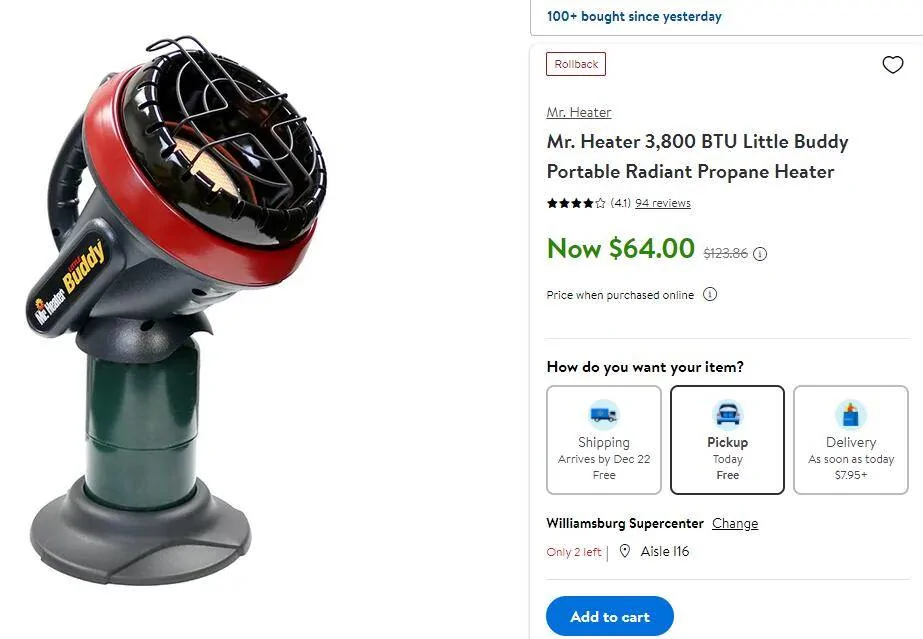
OK, I know this is somewhat ridiculous. But if I lived in Alaska like @AKgrampy, or Wisconsin, I would seriously consider turning off E-Heat, using the fresh air vent on low setting when glass fogging occurs, and this handy device to keep me from turning into a ice cube:

1671573273413.jpg


It is supposed to be safe indoors, and will run for 5 hours on a propane tank. And fresh air will come in when the vent it on.

I mean, it is extreme, but so is -20 F.

Is this a bad idea? Maybe Lee will add this to the test.
First you should invest in some 12V heated blankets. They really help with comfort and range.
 

music_cities

Well-Known Member
Joined
Nov 7, 2023
Threads
53
Messages
671
Reaction score
679
Location
Calgary, Canada
Vehicles
Mach E 2022 GT
Country flag
Some custom software of my own creation. First there is the collection done by a state machine (think Idle, On, Trip, Charging, etc) reading the various OBDII sensors and writing them to the cloud.

The posted screenshot is from a second iPhone app that provides a UI for the data in the cloud. In this case I have an option to graph trips by efficiency and temperature and shade each point by the change in elevation.
What can I do with just an iPhone and a bluetooth OBDII? I already have the CarScanner app.

I'd like to do a "12V heated blanket test" where I precondition, but set the cabin temp to 16degC, which is comfortable when wearing a ski jacket, a toque, and a 12V blanket on our laps.
 

mkhuffman

Well-Known Member
First Name
Mike
Joined
Nov 19, 2020
Threads
29
Messages
6,875
Reaction score
9,507
Location
Virginia
Vehicles
2025 Rivian R1T Tri-Max, Jeep GC-L, VW Jetta
Country flag
First you should invest in some 12V heated blankets. They really help with comfort and range.
I did and used the heated blanket a few weeks ago while driving with the climate control off. It works pretty well until my nose starts to get cold.


OP
OP
Mach-Lee

Mach-Lee

Well-Known Member
First Name
Lee
Joined
Jul 16, 2021
Threads
262
Messages
11,344
Reaction score
24,963
Location
Wisconsin
Vehicles
2022 Mach-E Premium AWD
Occupation
Sci/Eng
Country flag
2026 Extreme Cold Update - Software Changes

Just another periodic test in the extreme cold conditions this past weekend. I did both driving and charging tests. Ford likes to change things in the software from time to time; I like to track any changes.

Starting conditions:
Wind: NW 12-20 mph
Outdoor temp: -22ºF/-30ºC
Battery temp: -11ºF/-24ºC
Cabin temp: 54ºF/12ºC
Battery SoC: 49%

Parked the car outside in the extreme cold to cool down the battery. This was a night with windchill down to -40ºF. As a result the battery started out as cold as I've ever seen, -24ºC. I used remote HVAC to warm up the cabin for about 30 minutes before I started. In that time, the cabin temp was only about 50ºF, many of the surfaces were still extremely cold.

I decided to just go for a drive on random back roads, ~60 MPH with stops and turns every 3-4 miles. My goal was to see how much heat was available, and whether the battery would try to heat even when extremely cold.

Cabin Heat and Fogging

My past work in this thread has shown the Mach-E with the 5 kW PTC heater can only maintain a maximum cabin temperature differential of about +72ºF. Subtracting that from an ideal cabin temp of 68ºF, it shows we will fail to maintain cabin temp around -4ºF. However my car has insulated hoses and Reflextix in the roof glass, which raises my differential to +80ºF or below -12ºF as the critical threshold. Either way, -22ºF is lower than that threshold, so the cabin temp will not be maintained. Past work has also shown the tendency for the cabin to cool off rapidly when driving at highway speeds due to the wind.

HVAC set to my usual 68ºF AUTO 2 setting. Indeed, while I started with good vent temps of around 85ºF and cabin air temp around 65ºF, things started to cool off as soon as I started driving. Near the end of the drive, the vent temp was down to only 57ºF and the cabin air temp was down to a chilly 45ºF. Basically it's like sitting in a refrigerator. I was wearing a parka and insulated pants, but without those it would have been too cold.

Didn't have too many issues with fogging, other than a circle area at the top of the windshield above my head. What I did notice is the cabin fan speed gradually kept increasing, either because of the low vent temps, or because of perceived fogging. This increase in fan speed did cause the cabin to cool down more. You do get more fogging at low speeds because of Ford's strategy to close the fresh air below a certain vehicle speed (which seems like an odd decision).

The cabin heater stayed pegged at 5 kW the entire time. You can see the coolant temp and cabin temp drop after the drive starts. About midway through the drive when I felt the blower speed increasing, I changed the setting AUTO 1, which lowered the blower speed slightly. That actually did have the effect of increasing the cabin temperature slightly (by about 5ºF). I've also written about this before, but you want to limit fan speed as much as possible to give the air a chance to warm up more.

Ford Mustang Mach-E Mach-Lee's Mach-E Cold Weather Testing [Taking Requests] IMG_1773


Battery Heating

Battery heating was a big fat nothingburger the whole drive. The battery was not heated by the PTC heater at all (as evidenced by the coolant inlet temperature not changing). The only heating that occurred was due to Joule heating. In other words, the internal resistance of the battery is so high when it's cold, the process of drawing out hundreds of amps to drive the motors actually causes internal heating of the battery. At these temps, I estimate the internal resistance of the pack is around 175 mΩ, which translates to a heat dissipation of 4 kW with a moderate load of only 150 amps. As a result, the battery warmed from -24ºC to -7ºC during the 42 mile drive. Based on the previous determined battery heat capacity of 0.18 kWh/ºC, that temp rise means the average heat dissipation of the pack was 4.4 kW, which is close to the 4 kW estimate.

Ford Mustang Mach-E Mach-Lee's Mach-E Cold Weather Testing [Taking Requests] 1769411540728-ps


Regen

This one continues to blows my mind. Ford still allows 26 kW (~78A) of regen (0.3C) when the pack is -20ºC! In my opinion, regen should be completely disabled at -20ºC pack temps to avoid lithium plating risk. There is not much need for regen, most people won't really care about that when you're already getting terrible efficiency. I'd rather be nice to the pack.

Ford Mustang Mach-E Mach-Lee's Mach-E Cold Weather Testing [Taking Requests] IMG_1775


Turtle Mode

I did drive the pack down to 5% at the end, and as expected I got into Turtle Mode at the end. Last year I wrote extensively about the problem with Ford's implementation turtle mode in post #208. Basically they previously imposed a voltage sag limit of only about 320V which was far too high. This caused an extreme and dangerous loss of power much sooner than was necessary (SoC as high as 30%). Well, I'm happy to report they fixed turtle mode in this year's software. The BMS now allows voltage sag down to 290V (with -7ºC battery temp), so you're able to get a decent and safe power output down to a low SoC even when the pack is cold. The amount of power available at low SoC is a significant improvement, there is now enough for the car to actually accelerate to highway speeds down to <5% SoC even when the battery is cold. The previous software was dangerous so I'm very happy this has been corrected.

Ford Mustang Mach-E Mach-Lee's Mach-E Cold Weather Testing [Taking Requests] IMG_1776


Cold Charging

There have been some changes to the current software regarding battery temperature management during cold weather charging. Previously, the battery was always warmed above 0ºC before charging started on Level 2. That's the way I liked it, easier on the cells, there was less voltage sag, and I feel the final SoC was closer to the desired SoC target. However, now the battery will only be heated before charging if it's extremely cold, to about -12ºC or 10ºF. Initially I thought this was a bug because I was no longer seeing battery heating before charging (with battery temps down to -10ºC), but the lack of heating must be intentional to prioritize charging when the battery can't warm to 0ºC. Cold charging causes more issues with accurate charge termination, therefore this change is more likely to result in sudden SoC drops when the owner starts driving.

New process:
Heat battery to -12ºC > Charge to % target > Heat battery to +5ºC

In addition, the behavior of departure times has also changed. The temperature target has been lowered from 15ºC to 12ºC (so the battery is not as warm to start with). The amount of time spent on battery heating seems to be limited to a maximum (so if the battery is extremely cold it might not heat fully). Also, if the battery is still charging when the departure time starts, it seems to only heat to about 2ºC instead of 12ºC. This is again an example of prioritizing charging over temperature. In the extreme cold with wind, the battery may cool off -5ºC from the time the battery heating portion of the depurate time ends and when the owner actually drives away. The result is I've seen battery temps below 0ºC when leaving at a departure time. The battery is supposed to be warmed up, that needs to be prioritized over charging during a departure time.

---NOTE: I have a 2022, these behaviors may be very different on 2025+ models with the heat pump---

Findings
  • 30 minutes may not be enough time to fully warm up the cabin before a drive.
  • The 5 kW PTC will remain pegged at full output for cabin heating at -22ºC/-30ºC.
  • The car will not use the PTC heater to warm the battery during driving in extreme cold.
  • The battery will only warm up from Joule heating (due to current draw).
  • At -22ºF, the cabin temp will only be around 40-50ºF (5-10ºC)
  • Lowering fan speed to AUTO 1 helps improve heat slightly
  • Regen is still allowed at -20ºC battery temp, ~26 kW
  • At low SoC, voltage sag is allowed down to ~290V
  • Turtle mode now functions as expected without extreme power limits
  • Battery heating during AC charging is delayed until charging has finished
  • Departure times sometimes fail to warm the battery above 0ºC
Conclusions
  • Cabin heating is given full priority over battery heating in extreme cold
  • The limited 5 kW output of the PTC heater in 2021-2023 models will cause insufficient cabin heat in temps below about -7ºF or -22ºC
  • Parking in a garage and allowing a full 30 minute warmup before driving helps give you the most comfortable ride. Cabin temp will drop quickly when you start driving due to wind.
  • Reducing fan speed helps improve the cabin heat levels
    • AUTO 1 setting appears to be the best for extreme cold
  • Allowing regen at -20ºC battery temp is surprising and seems like a poor decision for battery longevity due to lithium plating risk. I would recommend limiting regen more with cold battery temps.
  • Turtle mode has been fixed! Much more sensible voltage sag allowed. No more problems maintaining highway speed at 20% SoC when the battery is cold.
  • Charging is now strongly prioritized over battery heating in the latest software, this has some consequences in terms of keeping the battery warm. Full battery heating will not occur until the battery has finished charging.
  • Departure times are no longer a fully reliable way to ensure the battery is warmed up before a trip. Sometimes they will fail to warm the battery above 0ºC. You will need to ensure the charge has finished an hour or more before your departure time to get full heating.
 
Last edited:

music_cities

Well-Known Member
Joined
Nov 7, 2023
Threads
53
Messages
671
Reaction score
679
Location
Calgary, Canada
Vehicles
Mach E 2022 GT
Country flag
2026 Extreme Cold Update - Software Changes

Just another periodic test in the extreme cold conditions this past weekend. I did both driving and charging tests. Ford likes to change things in the software from time to time; I like to track any changes.

Starting conditions:
Wind: NW 12-20 mph
Outdoor temp: -22ºF/-30ºC
Battery temp: -11ºF/-24ºC
Cabin temp: 54ºF/12ºC
Battery SoC: 49%

Parked the car outside in the extreme cold to cool down the battery. This was a night with windchill down to -40ºF. As a result the battery started out as cold as I've ever seen, -24ºC. I used remote HVAC to warm up the cabin for about 30 minutes before I started. In that time, the cabin temp was only about 50ºF, many of the surfaces were still extremely cold.

I decided to just go for a drive on random back roads, ~60 MPH with stops and turns every 3-4 miles. My goal was to see how much heat was available, and whether the battery would try to heat even when extremely cold.

Cabin Heat and Fogging

My past work in this thread has shown the Mach-E with the 5 kW PTC heater can only maintain a maximum cabin temperature differential of about +72ºF. Subtracting that from an ideal cabin temp of 68ºF, it shows we will fail to maintain cabin temp around -4ºF. However my car has insulated hoses and Reflextix in the roof glass, which raises my differential to +80ºF or below -12ºF as the critical threshold. Either way, -22ºF is lower than that threshold, so the cabin temp will not be maintained. Past work has also shown the tendency for the cabin to cool off rapidly when driving at highway speeds due to the wind.

HVAC set to my usual 68ºF AUTO 2 setting. Indeed, while I started with good vent temps of around 85ºF and cabin air temp around 65ºF, things started to cool off as soon as I started driving. Near the end of the drive, the vent temp was down to only 57ºF and the cabin air temp was down to a chilly 45ºF. Basically it's like sitting in a refrigerator. I was wearing a parka and insulated pants, but without those it would have been too cold.

Didn't have too many issues with fogging, other than a circle area at the top of the windshield above my head. What I did notice is the cabin fan speed gradually kept increasing, either because of the low vent temps, or because of perceived fogging. This increase in fan speed did cause the cabin to cool down more. You do get more fogging at low speeds because of Ford's strategy to close the fresh air below a certain vehicle speed (which seems like an odd decision).

The cabin heater stayed pegged at 5 kW the entire time. You can see the coolant temp and cabin temp drop after the drive starts. About midway through the drive when I felt the blower speed increasing, I changed the setting AUTO 1, which lowered the blower speed slightly. That actually did have the effect of increasing the cabin temperature slightly (by about 5ºF). I've also written about this before, but you want to limit fan speed as much as possible to give the air a chance to warm up more.

IMG_1773.webp


Battery Heating

Battery heating was a big fat nothingburger the whole drive. The battery was not heated by the PTC heater at all (as evidenced by the coolant inlet temperature not changing). The only heating that occurred was due to Joule heating. In other words, the internal resistance of the battery is so high when it's cold, the process of drawing out hundreds of amps to drive the motors actually causes internal heating of the battery. At these temps, I estimate the internal resistance of the pack is around 175 mΩ, which translates to a heat dissipation of 4 kW with a moderate load of only 150 amps. As a result, the battery warmed from -24ºC to -7ºC during the 42 mile drive. Based on the previous determined battery heat capacity of 0.18 kWh/ºC, that temp rise means the average heat dissipation of the pack was 4.4 kW, which is close to the 4 kW estimate.

1769411540728-ps.webp


Regen

This one continues to blows my mind. Ford still allows 26 kW (~78A) of regen (0.3C) when the pack is -20ºC! In my opinion, regen should be completely disabled at -20ºC pack temps to avoid lithium plating risk. There is not much need for regen, most people won't really care about that when you're already getting terrible efficiency. I'd rather be nice to the pack.

IMG_1775.webp


Turtle Mode

I did drive the pack down to 5% at the end, and as expected I got into Turtle Mode at the end. Last year I wrote extensively about the problem with Ford's implementation turtle mode in post #208. Basically they previously imposed a voltage sag limit of only about 320V which was far too high. This caused an extreme and dangerous loss of power much sooner than was necessary (SoC as high as 30%). Well, I'm happy to report they fixed turtle mode in this year's software. The BMS now allows voltage sag down to 290V (with -7ºC battery temp), so you're able to get a decent and safe power output down to a low SoC even when the pack is cold. The amount of power available at low SoC is a significant improvement, there is now enough for the car to actually accelerate to highway speeds down to <5% SoC even when the battery is cold. The previous software was dangerous so I'm very happy this has been corrected.

IMG_1776.webp


Cold Charging

There have been some changes to the current software regarding battery temperature management during cold weather charging. Previously, the battery was always warmed above 0ºC before charging started on Level 2. That's the way I liked it, easier on the cells, there was less voltage sag, and I feel the final SoC was closer to the desired SoC target. However, now the battery will only be heated before charging if it's extremely cold, to about -12ºC or 10ºF. Initially I thought this was a bug because I was no longer seeing battery heating before charging (with battery temps down to -10ºC), but the lack of heating must be intentional to prioritize charging when the battery can't warm to 0ºC. Cold charging causes more issues with accurate charge termination, therefore this change is more likely to result in sudden SoC drops when the owner starts driving.

New process:
Heat battery to -12ºC > Charge to % target > Heat battery to +5ºC

In addition, the behavior of departure times has also changed. The temperature target has been lowered from 15ºC to 12ºC (so the battery is not as warm to start with). The amount of time spent on battery heating seems to be limited to a maximum (so if the battery is extremely cold it might not heat fully). Also, if the battery is still charging when the departure time starts, it seems to only heat to about 2ºC instead of 12ºC. This is again an example of prioritizing charging over temperature. In the extreme cold with wind, the battery may cool off -5ºC from the time the battery heating portion of the depurate time ends and when the owner actually drives away. The result is I've seen battery temps below 0ºC when leaving at a departure time. The battery is supposed to be warmed up, that needs to be prioritized over charging during a departure time.

---NOTE: I have a 2022, these behaviors may be very different on 2025+ models with the heat pump---

Findings
  • 30 minutes may not be enough time to fully warm up the cabin before a drive.
  • The 5 kW PTC will remain pegged at full output for cabin heating at -22ºC/-30ºC.
  • The car will not use the PTC heater to warm the battery during driving in extreme cold.
  • The battery will only warm up from Joule heating (due to current draw).
  • At -22ºF, the cabin temp will only be around 40-50ºF (5-10ºC)
  • Lowering fan speed to AUTO 1 helps improve heat slightly
  • Regen is still allowed at -20ºC battery temp, ~26 kW
  • At low SoC, voltage sag is allowed down to ~290V
  • Turtle mode now functions as expected without extreme power limits
  • Battery heating during AC charging is delayed until charging has finished
  • Departure times sometimes fail to warm the battery above 0ºC
Conclusions
  • Cabin heating is given full priority over battery heating in extreme cold
  • The limited 5 kW output of the PTC heater in 2021-2023 models will cause insufficient cabin heat in temps below about -7ºF or -22ºC
  • Parking in a garage and allowing a full 30 minute warmup before driving helps give you the most comfortable ride. Cabin temp will drop quickly when you start driving due to wind.
  • Reducing fan speed helps improve the cabin heat levels
    • AUTO 1 setting appears to be the best for extreme cold
  • Allowing regen at -20ºC battery temp is surprising and seems like a poor decision for battery longevity due to lithium plating risk. I would recommend limiting regen more with cold battery temps.
  • Turtle mode has been fixed! Much more sensible voltage sag allowed. No more problems maintaining highway speed at 20% SoC when the battery is cold.
  • Charging is now strongly prioritized over battery heating in the latest software, this has some consequences in terms of keeping the battery warm. Full battery heating will not occur until the battery has finished charging.
  • Departure times are no longer a fully reliable way to ensure the battery is warmed up before a trip. Sometimes they will fail to warm the battery above 0ºC. You will need to ensure the charge has finished an hour or more before your departure time to get full heating.
Wow this is great information! Thank you.
 

Toy_collector

Well-Known Member
First Name
Chris
Joined
Aug 14, 2022
Threads
4
Messages
81
Reaction score
103
Location
Wisconsin
Vehicles
Mach E Tesla model Y Chevy bolt
Occupation
Engineer
Country flag
Do you know if you can still set the cabin temp to low and enable the climate from the app to trick it into heating the battery?
 

markboris

Well-Known Member
First Name
Mark
Joined
Nov 13, 2019
Threads
43
Messages
5,732
Reaction score
16,373
Location
Sonora, CA
Vehicles
Currently: '20 Shelby GT500 FPB '24 Mach-E GTP GGM
Occupation
Retired
Country flag
2026 Extreme Cold Update - Software Changes

Just another periodic test in the extreme cold conditions this past weekend. I did both driving and charging tests. Ford likes to change things in the software from time to time; I like to track any changes.

Starting conditions:
Wind: NW 12-20 mph
Outdoor temp: -22ºF/-30ºC
Battery temp: -11ºF/-24ºC
Cabin temp: 54ºF/12ºC
Battery SoC: 49%

Parked the car outside in the extreme cold to cool down the battery. This was a night with windchill down to -40ºF. As a result the battery started out as cold as I've ever seen, -24ºC. I used remote HVAC to warm up the cabin for about 30 minutes before I started. In that time, the cabin temp was only about 50ºF, many of the surfaces were still extremely cold.

I decided to just go for a drive on random back roads, ~60 MPH with stops and turns every 3-4 miles. My goal was to see how much heat was available, and whether the battery would try to heat even when extremely cold.

Cabin Heat and Fogging

My past work in this thread has shown the Mach-E with the 5 kW PTC heater can only maintain a maximum cabin temperature differential of about +72ºF. Subtracting that from an ideal cabin temp of 68ºF, it shows we will fail to maintain cabin temp around -4ºF. However my car has insulated hoses and Reflextix in the roof glass, which raises my differential to +80ºF or below -12ºF as the critical threshold. Either way, -22ºF is lower than that threshold, so the cabin temp will not be maintained. Past work has also shown the tendency for the cabin to cool off rapidly when driving at highway speeds due to the wind.

HVAC set to my usual 68ºF AUTO 2 setting. Indeed, while I started with good vent temps of around 85ºF and cabin air temp around 65ºF, things started to cool off as soon as I started driving. Near the end of the drive, the vent temp was down to only 57ºF and the cabin air temp was down to a chilly 45ºF. Basically it's like sitting in a refrigerator. I was wearing a parka and insulated pants, but without those it would have been too cold.

Didn't have too many issues with fogging, other than a circle area at the top of the windshield above my head. What I did notice is the cabin fan speed gradually kept increasing, either because of the low vent temps, or because of perceived fogging. This increase in fan speed did cause the cabin to cool down more. You do get more fogging at low speeds because of Ford's strategy to close the fresh air below a certain vehicle speed (which seems like an odd decision).

The cabin heater stayed pegged at 5 kW the entire time. You can see the coolant temp and cabin temp drop after the drive starts. About midway through the drive when I felt the blower speed increasing, I changed the setting AUTO 1, which lowered the blower speed slightly. That actually did have the effect of increasing the cabin temperature slightly (by about 5ºF). I've also written about this before, but you want to limit fan speed as much as possible to give the air a chance to warm up more.

IMG_1773.webp


Battery Heating

Battery heating was a big fat nothingburger the whole drive. The battery was not heated by the PTC heater at all (as evidenced by the coolant inlet temperature not changing). The only heating that occurred was due to Joule heating. In other words, the internal resistance of the battery is so high when it's cold, the process of drawing out hundreds of amps to drive the motors actually causes internal heating of the battery. At these temps, I estimate the internal resistance of the pack is around 175 mΩ, which translates to a heat dissipation of 4 kW with a moderate load of only 150 amps. As a result, the battery warmed from -24ºC to -7ºC during the 42 mile drive. Based on the previous determined battery heat capacity of 0.18 kWh/ºC, that temp rise means the average heat dissipation of the pack was 4.4 kW, which is close to the 4 kW estimate.

1769411540728-ps.webp


Regen

This one continues to blows my mind. Ford still allows 26 kW (~78A) of regen (0.3C) when the pack is -20ºC! In my opinion, regen should be completely disabled at -20ºC pack temps to avoid lithium plating risk. There is not much need for regen, most people won't really care about that when you're already getting terrible efficiency. I'd rather be nice to the pack.

IMG_1775.webp


Turtle Mode

I did drive the pack down to 5% at the end, and as expected I got into Turtle Mode at the end. Last year I wrote extensively about the problem with Ford's implementation turtle mode in post #208. Basically they previously imposed a voltage sag limit of only about 320V which was far too high. This caused an extreme and dangerous loss of power much sooner than was necessary (SoC as high as 30%). Well, I'm happy to report they fixed turtle mode in this year's software. The BMS now allows voltage sag down to 290V (with -7ºC battery temp), so you're able to get a decent and safe power output down to a low SoC even when the pack is cold. The amount of power available at low SoC is a significant improvement, there is now enough for the car to actually accelerate to highway speeds down to <5% SoC even when the battery is cold. The previous software was dangerous so I'm very happy this has been corrected.

IMG_1776.webp


Cold Charging

There have been some changes to the current software regarding battery temperature management during cold weather charging. Previously, the battery was always warmed above 0ºC before charging started on Level 2. That's the way I liked it, easier on the cells, there was less voltage sag, and I feel the final SoC was closer to the desired SoC target. However, now the battery will only be heated before charging if it's extremely cold, to about -12ºC or 10ºF. Initially I thought this was a bug because I was no longer seeing battery heating before charging (with battery temps down to -10ºC), but the lack of heating must be intentional to prioritize charging when the battery can't warm to 0ºC. Cold charging causes more issues with accurate charge termination, therefore this change is more likely to result in sudden SoC drops when the owner starts driving.

New process:
Heat battery to -12ºC > Charge to % target > Heat battery to +5ºC

In addition, the behavior of departure times has also changed. The temperature target has been lowered from 15ºC to 12ºC (so the battery is not as warm to start with). The amount of time spent on battery heating seems to be limited to a maximum (so if the battery is extremely cold it might not heat fully). Also, if the battery is still charging when the departure time starts, it seems to only heat to about 2ºC instead of 12ºC. This is again an example of prioritizing charging over temperature. In the extreme cold with wind, the battery may cool off -5ºC from the time the battery heating portion of the depurate time ends and when the owner actually drives away. The result is I've seen battery temps below 0ºC when leaving at a departure time. The battery is supposed to be warmed up, that needs to be prioritized over charging during a departure time.

---NOTE: I have a 2022, these behaviors may be very different on 2025+ models with the heat pump---

Findings
  • 30 minutes may not be enough time to fully warm up the cabin before a drive.
  • The 5 kW PTC will remain pegged at full output for cabin heating at -22ºC/-30ºC.
  • The car will not use the PTC heater to warm the battery during driving in extreme cold.
  • The battery will only warm up from Joule heating (due to current draw).
  • At -22ºF, the cabin temp will only be around 40-50ºF (5-10ºC)
  • Lowering fan speed to AUTO 1 helps improve heat slightly
  • Regen is still allowed at -20ºC battery temp, ~26 kW
  • At low SoC, voltage sag is allowed down to ~290V
  • Turtle mode now functions as expected without extreme power limits
  • Battery heating during AC charging is delayed until charging has finished
  • Departure times sometimes fail to warm the battery above 0ºC
Conclusions
  • Cabin heating is given full priority over battery heating in extreme cold
  • The limited 5 kW output of the PTC heater in 2021-2023 models will cause insufficient cabin heat in temps below about -7ºF or -22ºC
  • Parking in a garage and allowing a full 30 minute warmup before driving helps give you the most comfortable ride. Cabin temp will drop quickly when you start driving due to wind.
  • Reducing fan speed helps improve the cabin heat levels
    • AUTO 1 setting appears to be the best for extreme cold
  • Allowing regen at -20ºC battery temp is surprising and seems like a poor decision for battery longevity due to lithium plating risk. I would recommend limiting regen more with cold battery temps.
  • Turtle mode has been fixed! Much more sensible voltage sag allowed. No more problems maintaining highway speed at 20% SoC when the battery is cold.
  • Charging is now strongly prioritized over battery heating in the latest software, this has some consequences in terms of keeping the battery warm. Full battery heating will not occur until the battery has finished charging.
  • Departure times are no longer a fully reliable way to ensure the battery is warmed up before a trip. Sometimes they will fail to warm the battery above 0ºC. You will need to ensure the charge has finished an hour or more before your departure time to get full heating.
As always Lee, you perform the most thorough and informative tests. Not like I ever see cold temps like this but very much like to read your findings.

Would it be possible to replace your 5kW heater with the updated 7kW version?
 

Tampamike

Well-Known Member
First Name
Mike
Joined
Feb 19, 2021
Threads
24
Messages
2,069
Reaction score
2,806
Location
Tampa, FL
Vehicles
‘24 Mach E Premium RWD
Country flag
Charging before heating at below freezing temps is interesting. In the RV/boat world, lithium (LiFePo) batteries won’t charge below freezing at all and some batteries have a built-in heater to warm up the battery to 0C before charge acceptance.
 

Billyk24

Well-Known Member
First Name
William
Joined
Nov 29, 2019
Threads
116
Messages
2,307
Reaction score
1,295
Location
PA
Vehicles
Ford C-Max Energi, Premium Mach-E ordered
Country flag
As always Lee, you perform the most thorough and informative tests. Not like I ever see cold temps like this but very much like to read your findings.

Would it be possible to replace your 5kW heater with the updated 7kW version?
Mach Lee has stated in the past this is not possible.


Top