Astro
Member
- Joined
- Jul 3, 2020
- Threads
- 0
- Messages
- 16
- Reaction score
- 17
- Location
- MA
- Vehicles
- Chevy Volt
- Occupation
- Software Engineer

I'm also a little skeptical that these are even real numbers, the sticker is still mostly blank and maybe only based on targets.
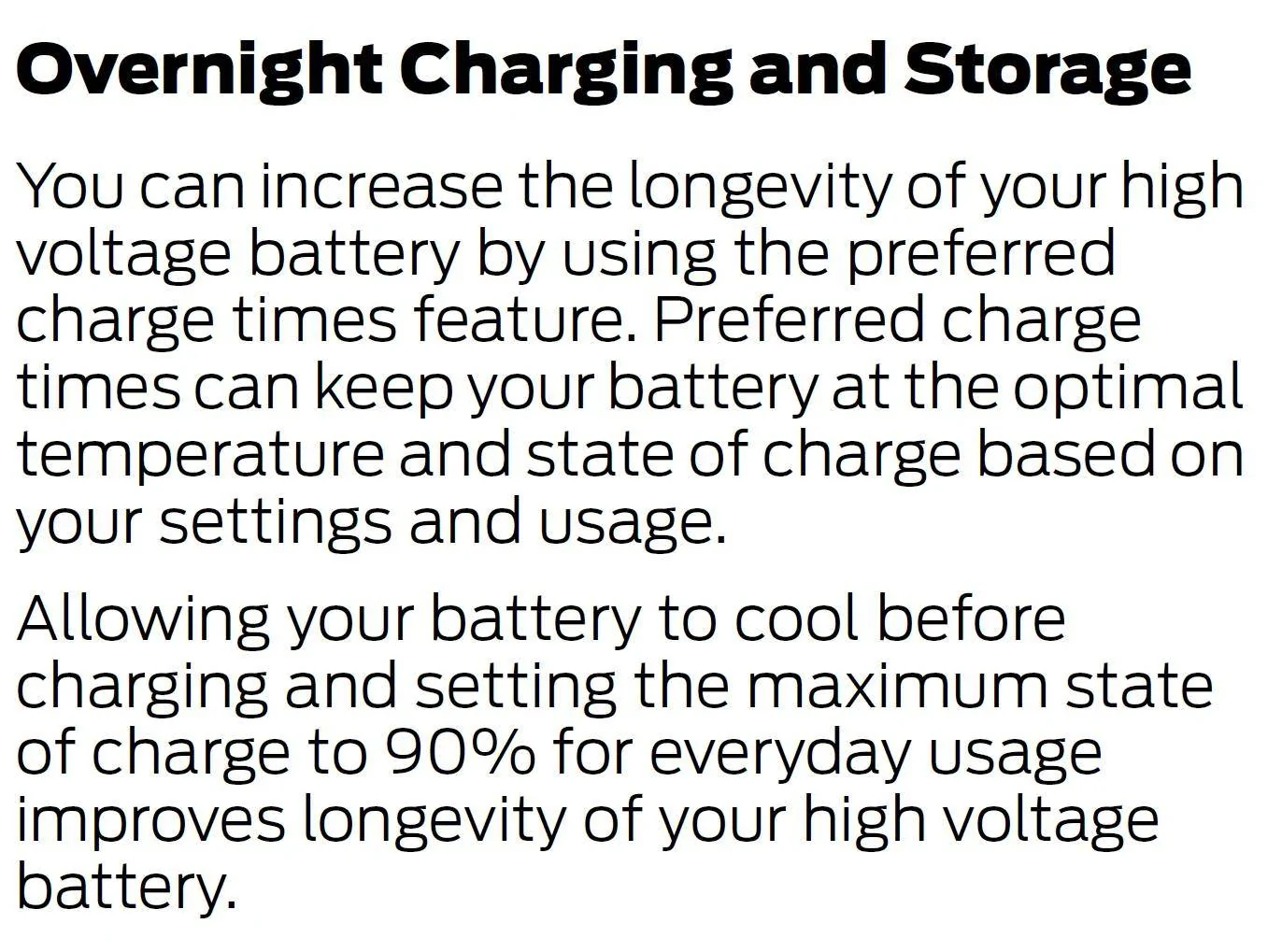
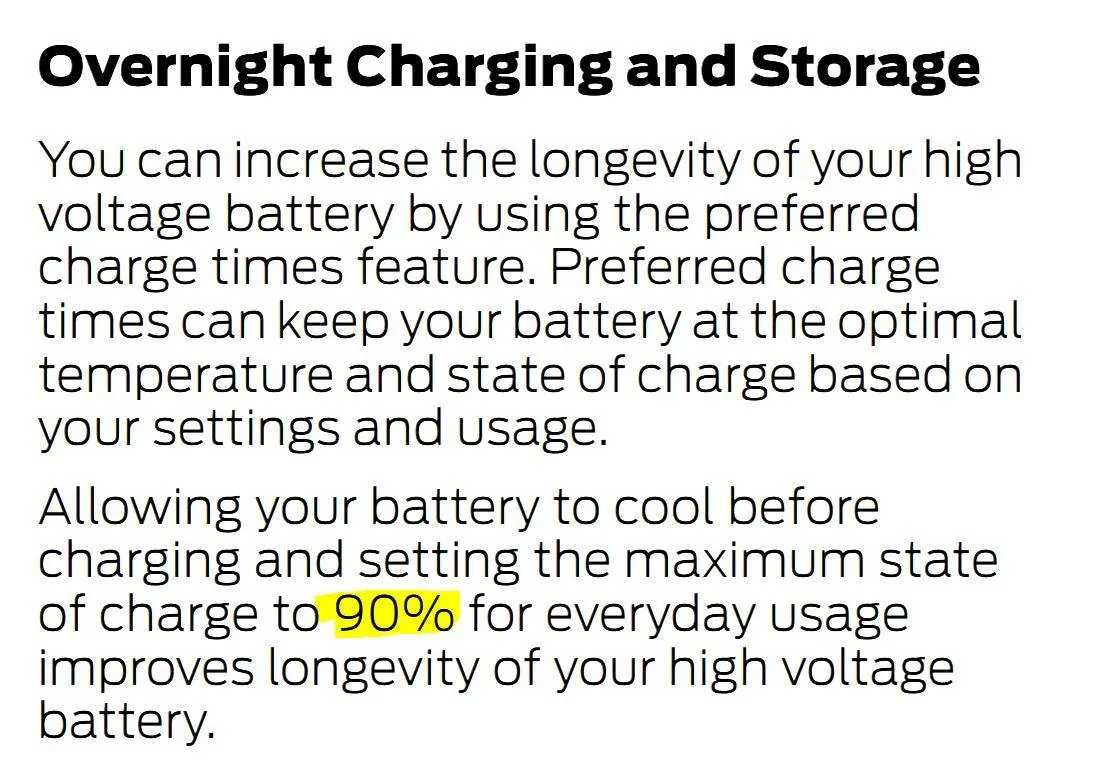
Are we sure about the buffer size because if the buffer size is so big why does the manual ask us to only charge to 90%? I was sort of hoping that we could always just take advantage of the full range by charging to 100%.
This may be an indication that they are reducing the buffer to improve their EPA ratings. Fact is sometimes you don't always know when something is going to come up and you need to have that extra range. I charge my volt to 100% all the time and never have had any degradations as a result that I've noticed and it's been over 3 years.
What other battery operated product do you know of where you are told to only charge to 90%? If this is required than it should be built into the buffer and the only reason to not is to get better EPA ratings or just allow drivers to purposely or accidentally accelerate their range degradation over time?
Are we sure about the buffer size because if the buffer size is so big why does the manual ask us to only charge to 90%? I was sort of hoping that we could always just take advantage of the full range by charging to 100%.
This may be an indication that they are reducing the buffer to improve their EPA ratings. Fact is sometimes you don't always know when something is going to come up and you need to have that extra range. I charge my volt to 100% all the time and never have had any degradations as a result that I've noticed and it's been over 3 years.
What other battery operated product do you know of where you are told to only charge to 90%? If this is required than it should be built into the buffer and the only reason to not is to get better EPA ratings or just allow drivers to purposely or accidentally accelerate their range degradation over time?
Sponsored