Insulating HVB Pack Bottom & Heating/Cooling Hoses

markboris

Well-Known Member
First Name
Mark
Joined
Nov 13, 2019
Threads
43
Messages
5,731
Reaction score
16,371
Location
Sonora, CA
Vehicles
Currently: '20 Shelby GT500 FPB '24 Mach-E GTP GGM
Occupation
Retired
Country flag
Bottom line: I don't feel insulating makes any difference in moderately cold weather. Maybe with extreme cold temps and much more insulation than I used it might but I would not count on it. More below.....

It's been more than a couple of months now that I've had the bottom of my HVB pack and all of the hoses under the frunk tub insulated and haven't noticed any range or performance difference.

Let me start out by saying like many other projects on the Mach-E (and other vehicles I work on), this is not something I wanted or needed to do for myself. It was a project to see if I could measure a difference between insulated and non-insulated HVB pack bottom. There has been some talk here on a few threads that insulating the HVB pack and/or frunk hoses may help with range and keeping the battery at normal temperatures longer. I thought it would be an interesting project to insulate and see if this would help but with the somewhat mild temps in my area, I did not find this to be the case. Prior to starting this project, I contacted Lee (Mach-Lee) and explained what I wanted to do. He worked with me on this project and suggested that I start out with the HVB at a temp of at least 75˚ then leave it outside overnight for 12 hours with temps ideally below 40˚.

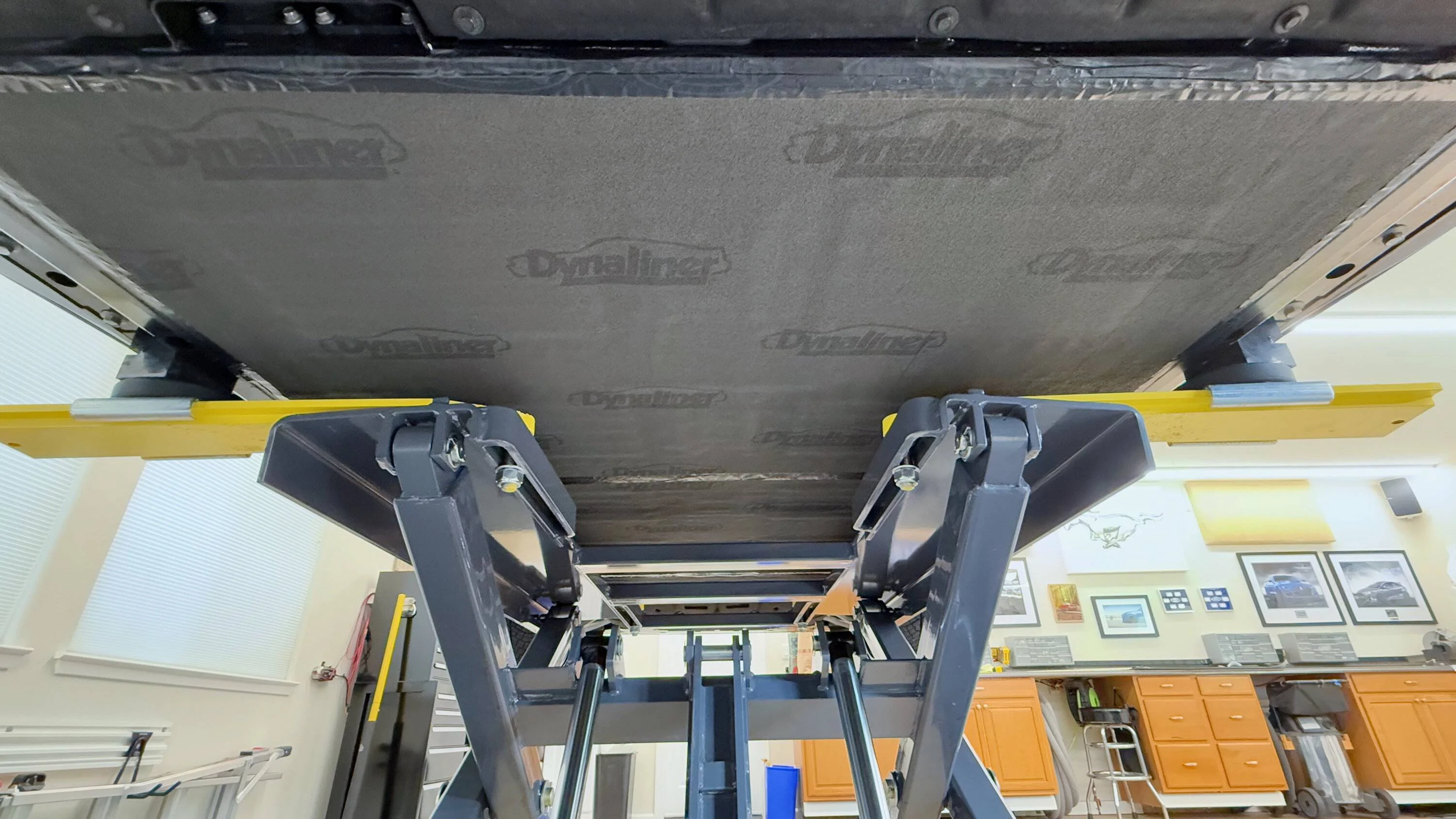
The first material I used across the entire bottom of the HVB pack was Dynamat Pro-X. It is one of the thickest self stick CLD materials out there and also has a heavy aluminum outer layer. It is used to reduce vibration and sound transmission. I used this material for two reasons. It smoothed out the lines and rivet protrusions on the bottom of the pack plus gave me a good clean surface for the closed cell foam thermal insulation to stick to. I used aluminum tape to seal all the seams and around the edges. Next I applied Dynanliner 1/4" closed cell foam thermal insulation to the Dynamat's aluminum surface. This is a very high quality foam that will not absorb moisture. I didn't want the total thickness of the insulated materials to protrude beyond the rails on each side of the pack in case at a later time I wanted to install an aluminum shield across the entire bottom. Lee said in my area 1/4" foam would be enough but for muchcolder temps like where he lives, the 1/2" might work better. I also insulated the heating/cooling hoses under the frunk tub with high quality rubber foam pipe insulation.

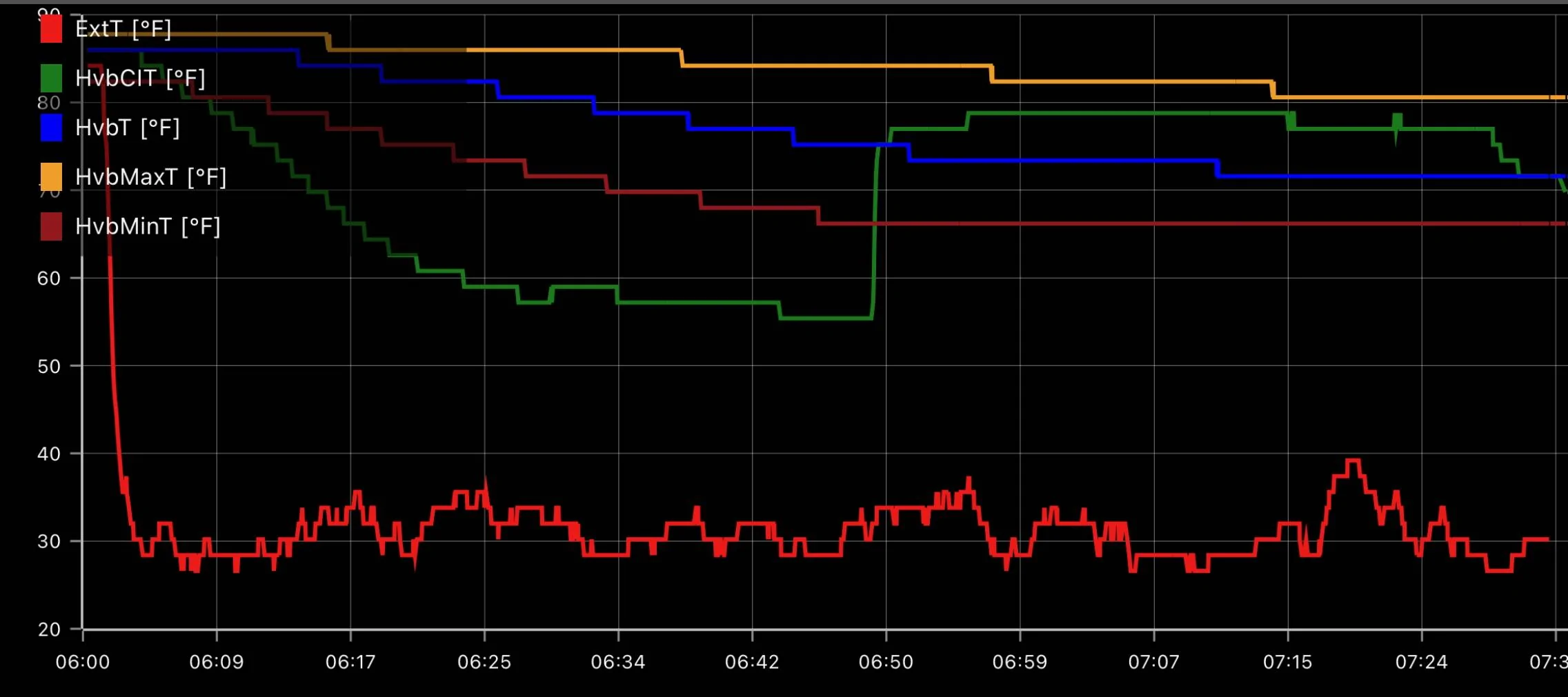
First overnight test was with no insulation, second with Dynamat CLD material and third with Dynaliner closed cell foam. For each of the three tests, I parked the car outside at night with the warmed up HVB at 10:00 pm and documented the HVB temps at 10:00 pm, 4:00 am, 7:00 am and 10:00 am. Lee suggested I do one more test but this time a 90 minute drive at an average speed of 60 mph (I was only able to get an average speed of 50 mph). This would cool off the HVB much faster do air quickly moving past the HVB. Unfortunately I had already insulated everything so I wan't able to do the driving test before starting this project. I have a heated garage so was able to bring the HVB up to warm temps without having to pre-condition or charge the battery. All tests were done with a 90% battery charge. The three overnight tests started out with the battery around 80˚ and exterior ambient temps dipped down to 36˚. On the driving test, the HVB started at 86˚ and exterior ambients temps dipped as low as 26˚ on the drive.

I really did expect insulating would make a greater difference than it did. However I also thought that the entire HVB pack was completely sealed and the only part that was exposed was the bottom. However, this is not true. Both the sides, front, back and top are completely exposed. While I was under the car insulating the heating/cooling hoses going to the HVB, I noticed a large amount of space all around the pack. I cold reach in and stick my hand along the sides (between the pack and the rails) and on top (between the pack and the floor of the car). So especially while driving, air will be flowing ALL around the HVB pack, not just across the bottom. Had I known this before (it was probably discussed here but I never read it) I probably would not have insulated the bottom of the pack.

I am not nearly as technical or have close to the knowledge that Lee has with any of this so if you have specific questions, I would direct it to him for answers.

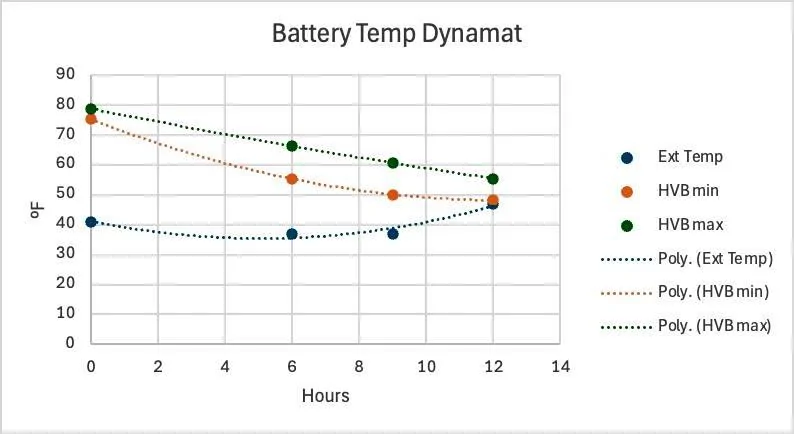
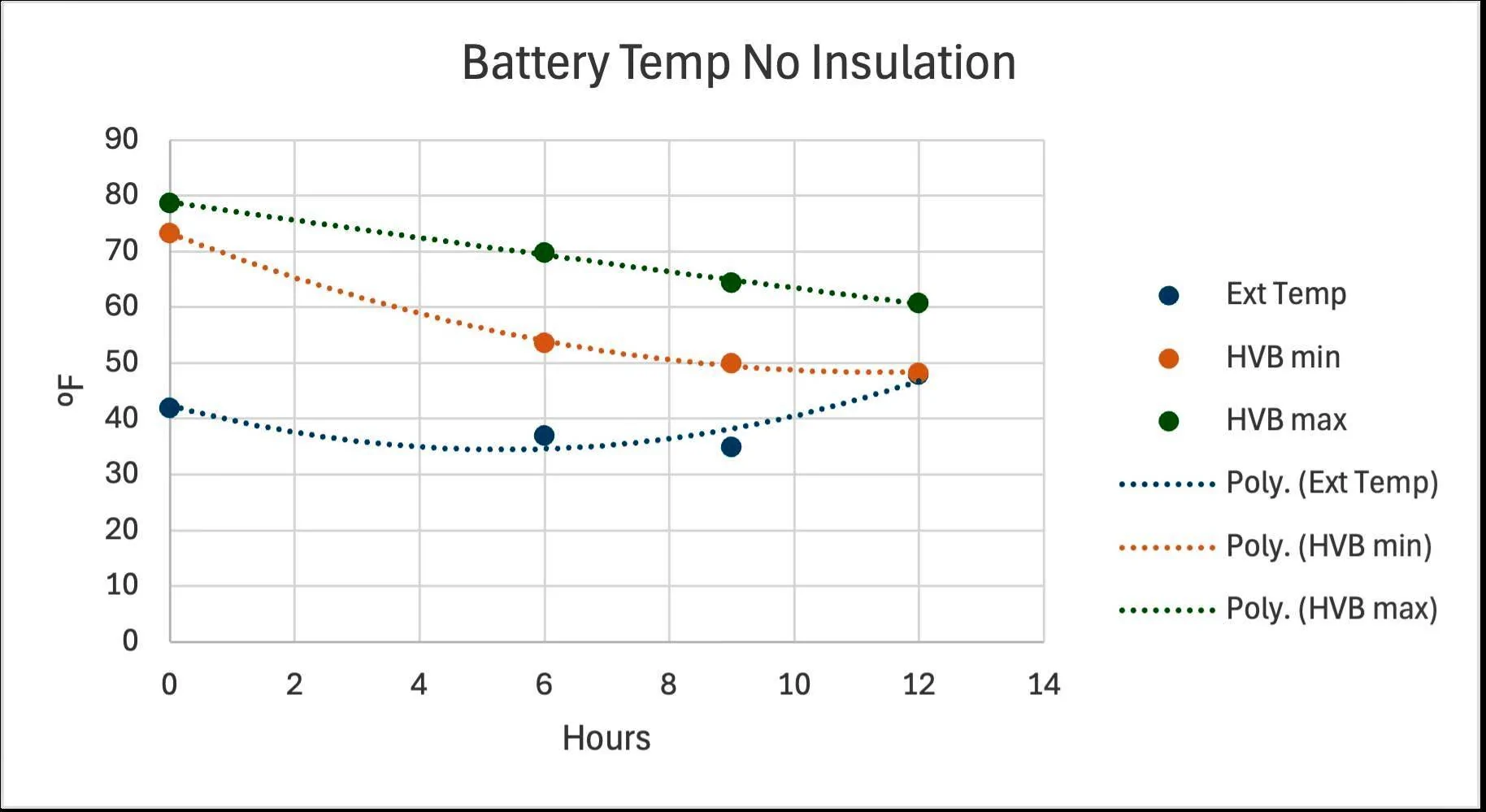
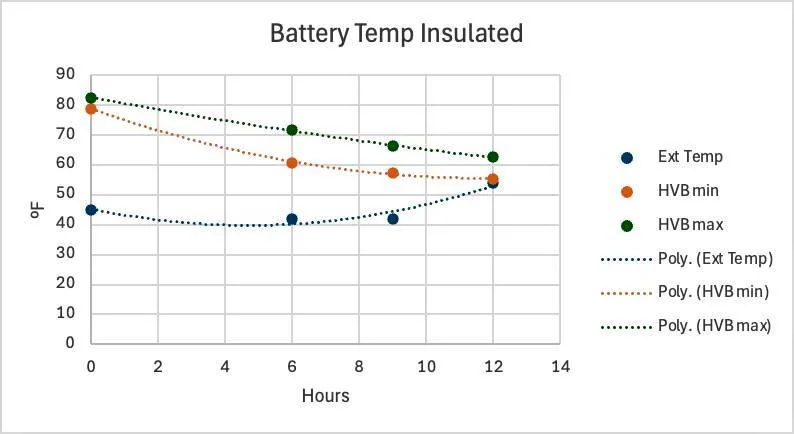
For the three overnight tests, I sent Lee the requested data he wanted. Times, outside ambient temps, and CarScanner HVB info. For these tests, HVB start temps averaged around 80˚ and external ambient temps went as low as 36˚.

No insulation:

Ford Mustang Mach-E Insulating HVB Pack Bottom & Heating/Cooling Hoses Battery temp no insulation


Dynamat CLD material

Ford Mustang Mach-E Insulating HVB Pack Bottom & Heating/Cooling Hoses Battery temp Dynamat


Dynaliner 1/4" closed cell foam thermal insulation

Ford Mustang Mach-E Insulating HVB Pack Bottom & Heating/Cooling Hoses Battery temp insulated


Here is the 90 minute, 75 mile drive averaging 50 mph. For this tests, HVB start temp was 86˚ and external ambient temps went as low as 26˚.

Ford Mustang Mach-E Insulating HVB Pack Bottom & Heating/Cooling Hoses IMG_4245


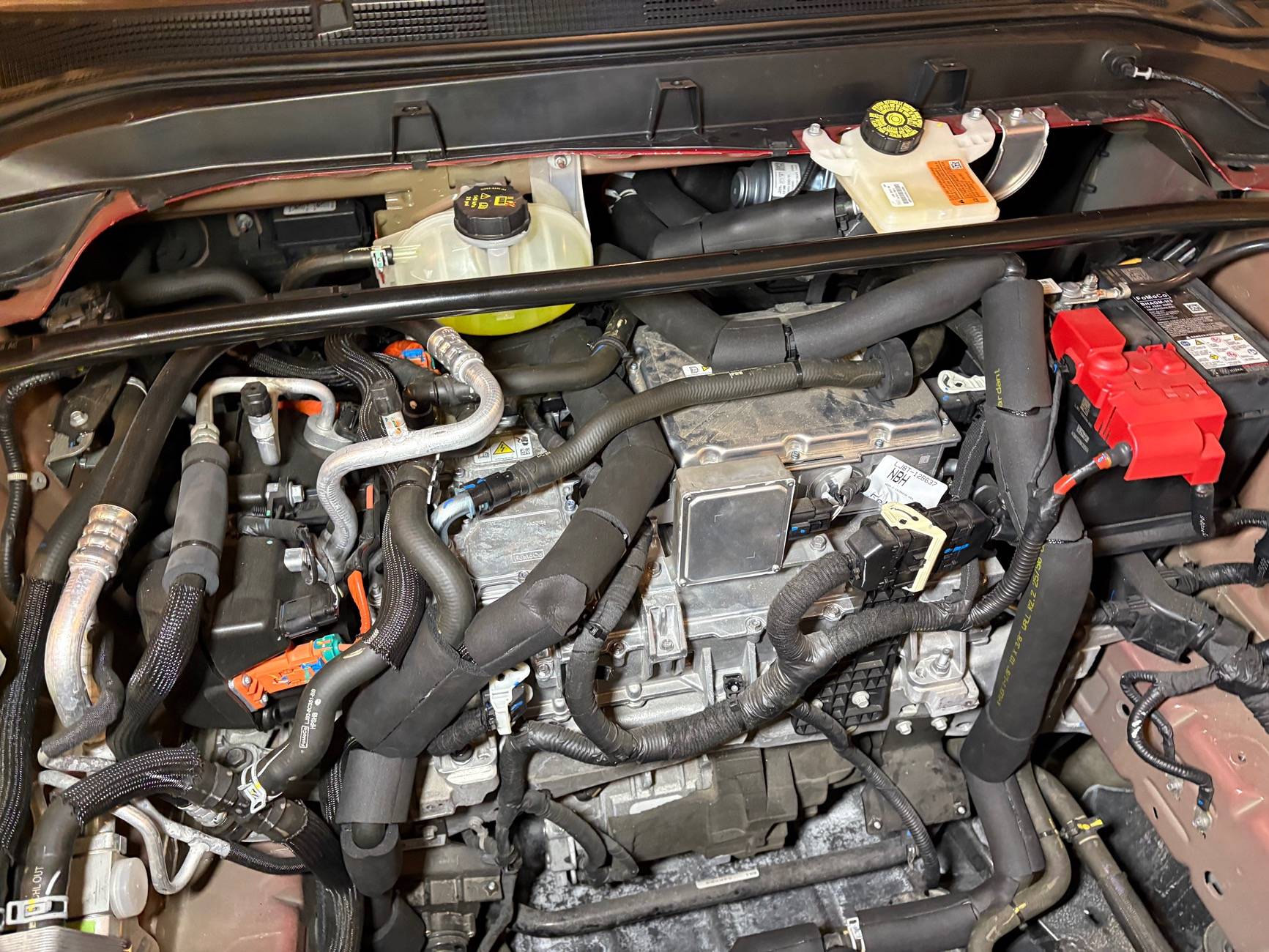
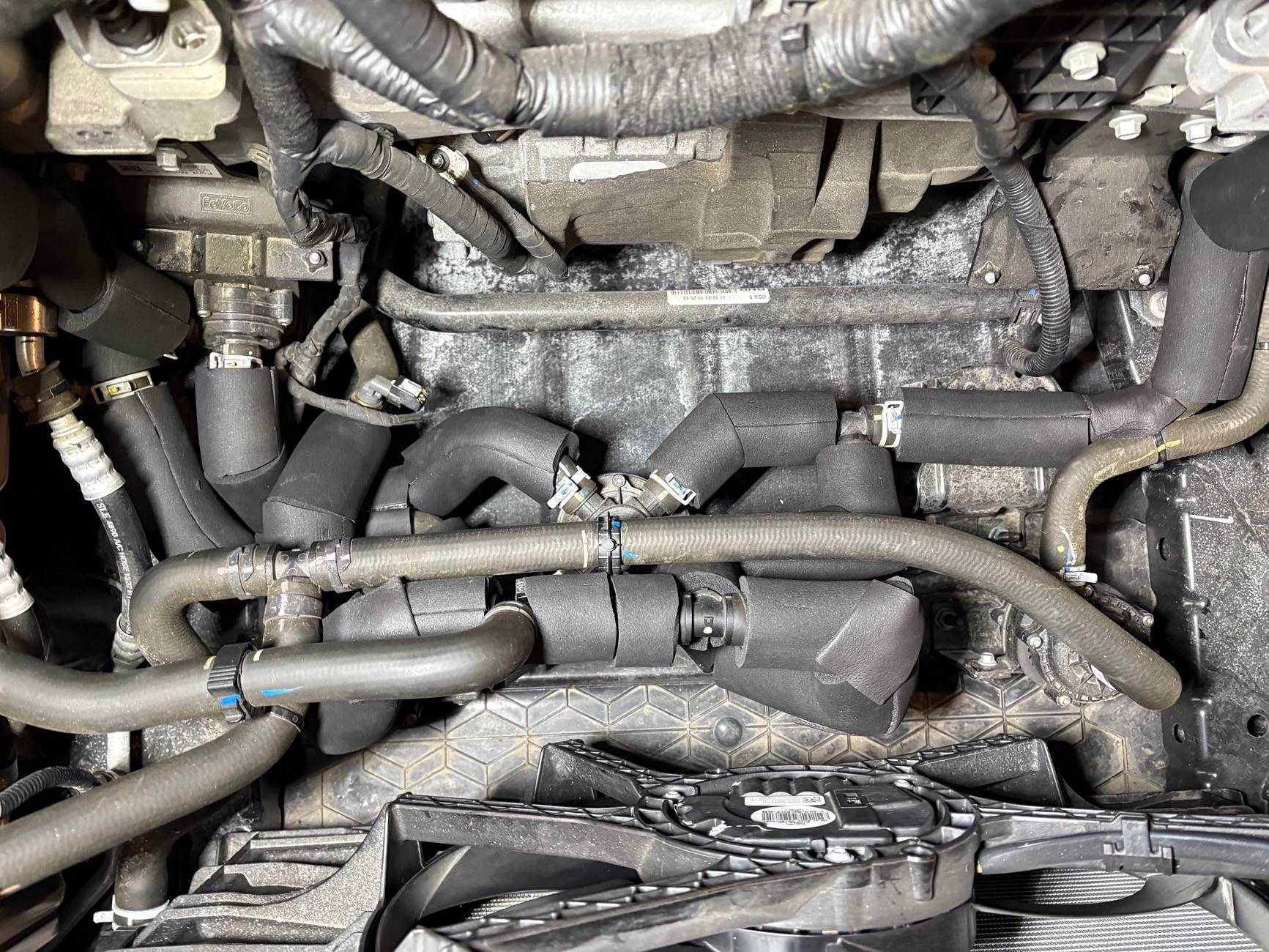
A few photos of the project:

No insulation

Ford Mustang Mach-E Insulating HVB Pack Bottom & Heating/Cooling Hoses IMG_3792 (1)


Dynamat CLD with aluminum outer facing:

Ford Mustang Mach-E Insulating HVB Pack Bottom & Heating/Cooling Hoses IMG_3871 (1)


Dynaliner 1/4" closed cell foam thermal insulation

Ford Mustang Mach-E Insulating HVB Pack Bottom & Heating/Cooling Hoses IMG_3923


Ford Mustang Mach-E Insulating HVB Pack Bottom & Heating/Cooling Hoses IMG_3925


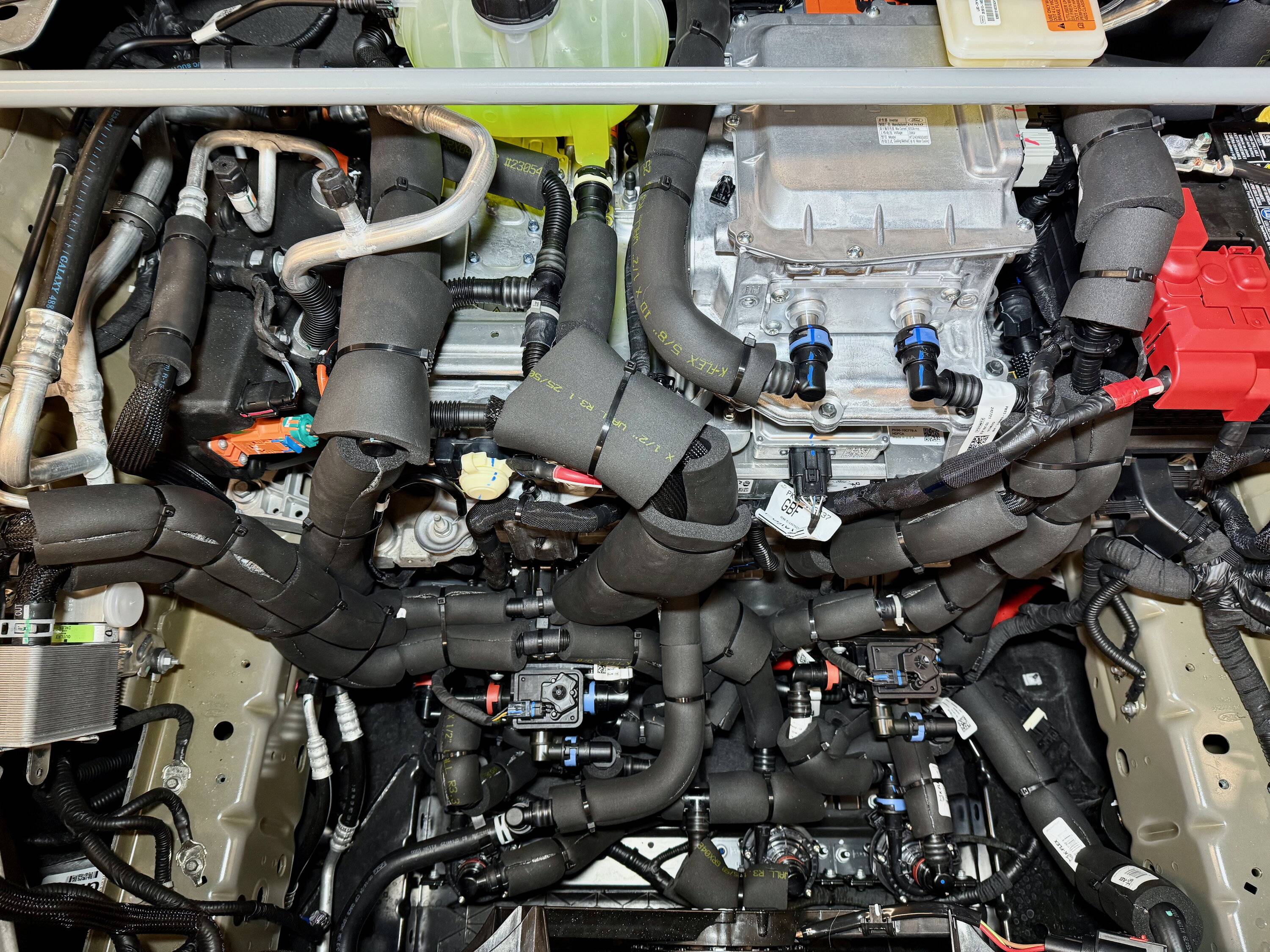
Heating/cooling hoses insulated

Ford Mustang Mach-E Insulating HVB Pack Bottom & Heating/Cooling Hoses IMG_4213
Sponsored

 
Last edited:

Mach-Lee

Well-Known Member
First Name
Lee
Joined
Jul 16, 2021
Threads
262
Messages
11,344
Reaction score
24,963
Location
Wisconsin
Vehicles
2022 Mach-E Premium AWD
Occupation
Sci/Eng
Country flag
Mark and I both worked together on this. Again, our conclusion is it doesn’t make much sense to insulate the battery pack or heater hoses unless you live in a very cold climate (below 0°F). I still believe insulating the pack will be worthwhile to prevent great convective loss while driving highway speeds in extreme cold (e.g. 65 MPH @ -20°F). There is upwards of 4 kW of heat loss from the pack in these conditions, I’m hoping insulating the bottom will at least cut that in half and keep the pack above turtle mode temperature all the way down to 1% charge. Mark’s new car has motor waste heat recovery (added for 2023.5) so 2023.0 and earlier vehicles will benefit from pack insulation the most.

I also insulated my heater hoses, and found that only made a small difference (couple degrees) when it was -15°F. It’s a lot of work to cut and fit the insulation around all the hoses so it may not be worth it unless you are up in the northern plains where it regularly gets that cold.

Ford Mustang Mach-E Insulating HVB Pack Bottom & Heating/Cooling Hoses IMG_0414
Ford Mustang Mach-E Insulating HVB Pack Bottom & Heating/Cooling Hoses IMG_0415


I also had plans to insulate my pack, but that’s really a warm weather project unless you have a lift and heated garage. Too cold, wet, and dirty under there this time of year.
 
Last edited:

Blue highway

Well-Known Member
First Name
Steve
Joined
Oct 15, 2021
Threads
5
Messages
2,693
Reaction score
4,237
Location
Oregon
Vehicles
Mach E Premium SR RWD
Country flag
Bottom line: I don't feel insulating makes hardly any difference in moderately cold weather. Maybe with extreme cold temps and much more insulation than I used it might but I would not count on it. More below.....

It's been more than a couple of months now that I've had the bottom of my HVB pack and all of the hoses under the frunk tub insulated and haven't noticed any range or performance difference.

Let me start out by saying like many other projects on the Mach-E (and other vehicles I work on), this is not something I wanted or needed to do for myself. It was a project to see if I could measure a difference between insulated and non-insulated HVB pack bottom. There has been some talk here on a few threads that insulating the HVB pack and/or frunk hoses may help with range and keeping the battery at normal temperatures longer. I thought it would be an interesting project to insulate and see if this would help but with the somewhat mild temps in my area, I did not find this to be the case. Prior to starting this project, I contacted Lee (Mach-Lee) and explained what I wanted to do. He suggested that I start out with the HVB at a temp of at least 75˚ then leave it outside overnight for 12 hours with temps ideally below 40˚.

The first material I used across the entire bottom of the HVB pack was Dynamat Pro-X. It is one of the thickest self stick CLD materials out there and also has a heavy aluminum outer layer. It is used to reduce vibration and sound transmission. I used this material for two reasons. It smoothed out the lines and rivet protrusions on the bottom of the pack plus gave me a good clean surface for the closed cell foam thermal insulation to stick to. I used aluminum tape to seal all the seams and around the edges. Next I applied Dynanliner 1/4" closed cell foam thermal insulation to the Dynamat's aluminum surface. This is a very high quality foam that will not absorb moisture. I didn't want the total thickness of the insulated materials to protrude beyond the rails on each side of the pack in case at a later time I wanted to install an aluminum shield across the entire bottom. Lee said in my area 1/4" foam would be enough but for muchcolder temps like where he lives, the 1/2" might work better. I also insulated the heating/cooling hoses under the frunk tub with high quality rubber foam pipe insulation.

First overnight test was with no insulation, second with Dynamat CLD material and third with Dynaliner closed cell foam. For each of the three tests, I parked the car outside at night with the warmed up HVB at 10:00 pm and documented the HVB temps at 10:00 pm, 4:00 am, 7:00 am and 10:00 am. Lee suggested I do one more test but this time a 90 minute drive at an average speed of 60 mph (I was only able to get an average speed of 50 mph). This would cool off the HVB much faster do air quickly moving past the HVB. Unfortunately I had already insulated everything so I wan't able to do the driving test before starting this project. I have a heated garage so was able to bring the HVB up to warm temps without having to pre-condition or charge the battery. All tests were done with a 90% battery charge. The three overnight tests started out with the battery around 80˚ and exterior ambient temps dipped down to 36˚. On the driving test, the HVB started at 86˚ and exterior ambients temps dipped as low as 26˚ on the drive.

I really did expect insulating would make a greater difference than it did. However I also thought that the entire HVB pack was completely sealed and the only part that was exposed was the bottom. However, this is not true. Both the sides, front, back and top are completely exposed. While I was under the car insulating the heating/cooling hoses going to the HVB, I noticed a large amount of space all around the pack. I cold reach in and stick my hand along the sides (between the pack and the rails) and on top (between the pack and the floor of the car). So especially while driving, air will be flowing ALL around the HVB pack, not just across the bottom. Had I known this before (it was probably discussed here but I never read it) I probably would not have insulated the bottom of the pack.

I am not nearly as technical or have close to the knowledge that Lee has with any of this so if you have specific questions, I would direct it to him for answers.

For the three overnight tests, I sent Lee the requested data he wanted. Times, outside ambient temps, and CarScanner HVB info. For these tests, HVB start temps averaged around 80˚ and external ambient temps went as low as 36˚.

No insulation:
Battery temp no insulation.jpeg


Dynamat CLD material

Battery temp Dynamat.jpeg


Dynaliner 1/4" closed cell foam thermal insulation
Battery temp insulated.jpeg


Here is the 90 minute, 75 mile drive averaging 50 mph. For this tests, HVB start temp was 86˚ and external ambient temps went as low as 26˚.
IMG_4245.jpeg


A few photos of the project:

No insulation
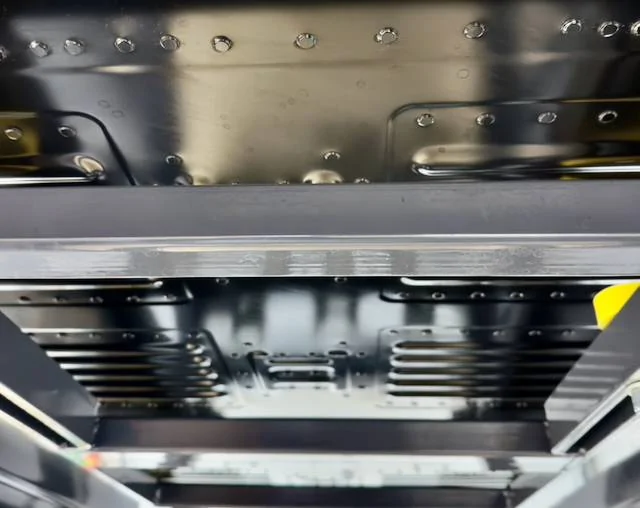
IMG_3792 (1).jpeg


Dynamat CLD with aluminum outer facing:
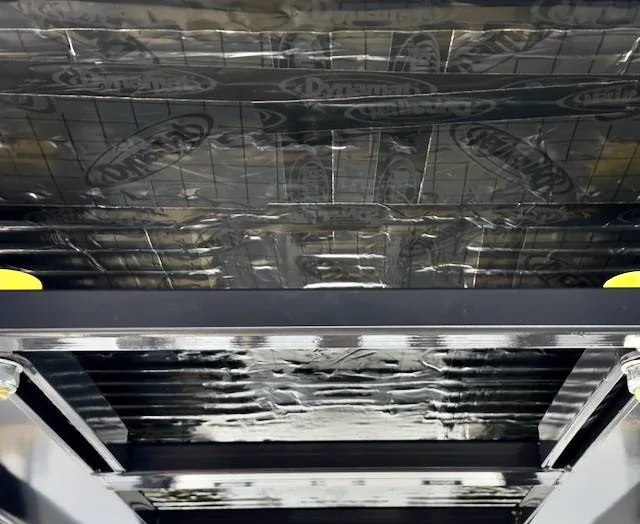
IMG_3871 (1).jpeg


Dynamat 1/4" closed cell foam thermal insulation
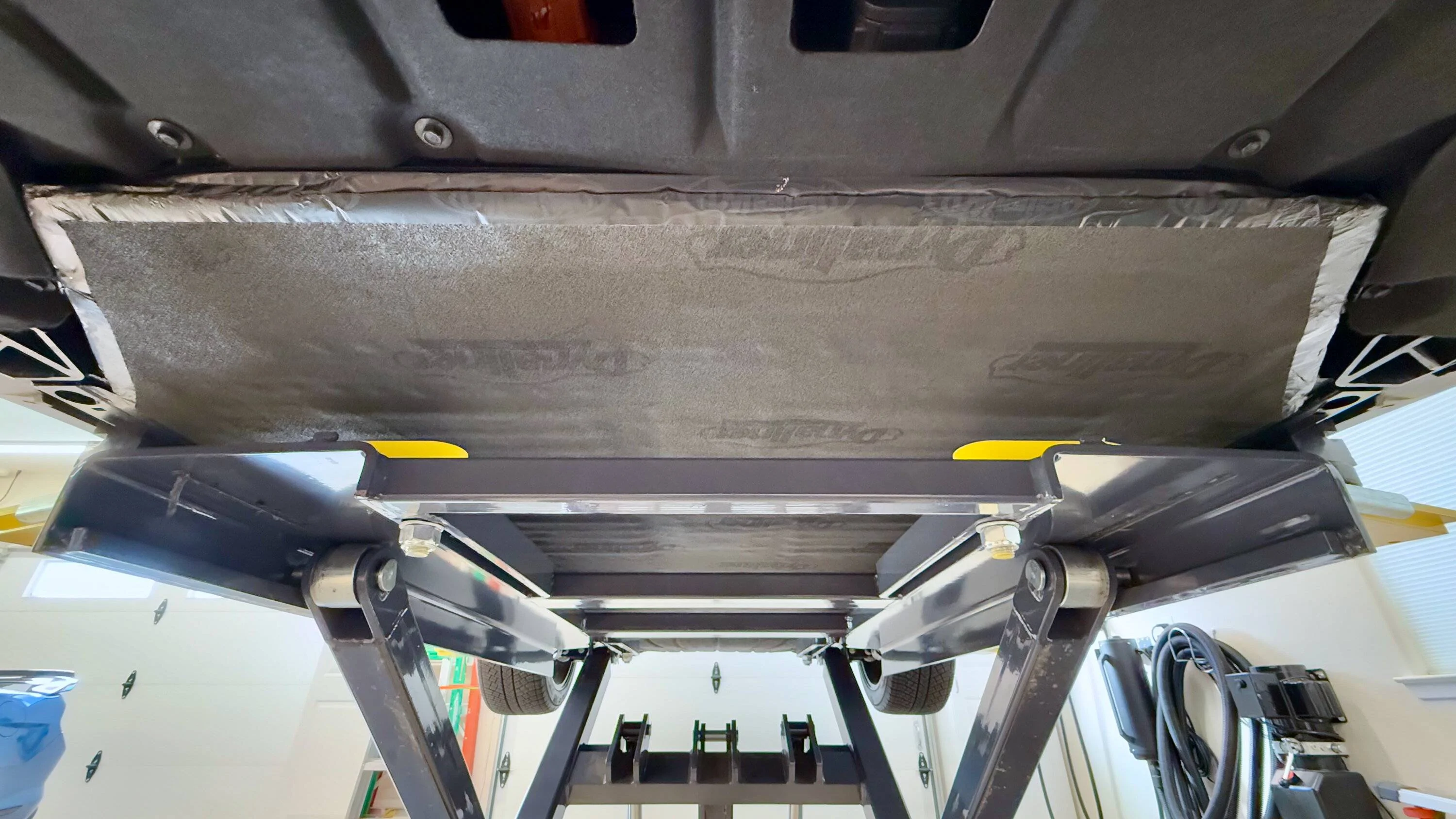
IMG_3923.jpeg


IMG_3925.jpeg


Heating/cooling hoses insulated

IMG_4213.jpeg
wow amazing work. In the moderate temps I live in, it looks like there will not be this level of work done on my car... I was assuming there would be a greater effect.
 

AKgrampy

Well-Known Member
First Name
Mike
Joined
Jan 29, 2022
Threads
7
Messages
3,519
Reaction score
3,590
Location
Fairbanks, Alaska
Vehicles
Ford Expedition, Ford F-150, Mach E GT
Occupation
Retired
Country flag
And you know what - I only drive around town - been fine down to -30F - keep it in a heated garage when not out and about - so I am good! But you are the man for this testing!!! I am really interested to see how the 2025’s fare in extreme cold climate as my Option contract is over next year.


JoeyD

Well-Known Member
First Name
Joe
Joined
Mar 3, 2023
Threads
0
Messages
114
Reaction score
177
Location
Surprise, AZ
Vehicles
2018 Tacoma, 2024 MME GT
Occupation
School Bus Driver
Country flag
Bottom line: I don't feel insulating makes any difference in moderately cold weather. Maybe with extreme cold temps and much more insulation than I used it might but I would not count on it. More below.....

It's been more than a couple of months now that I've had the bottom of my HVB pack and all of the hoses under the frunk tub insulated and haven't noticed any range or performance difference.

Let me start out by saying like many other projects on the Mach-E (and other vehicles I work on), this is not something I wanted or needed to do for myself. It was a project to see if I could measure a difference between insulated and non-insulated HVB pack bottom. There has been some talk here on a few threads that insulating the HVB pack and/or frunk hoses may help with range and keeping the battery at normal temperatures longer. I thought it would be an interesting project to insulate and see if this would help but with the somewhat mild temps in my area, I did not find this to be the case. Prior to starting this project, I contacted Lee (Mach-Lee) and explained what I wanted to do. He suggested that I start out with the HVB at a temp of at least 75˚ then leave it outside overnight for 12 hours with temps ideally below 40˚.

The first material I used across the entire bottom of the HVB pack was Dynamat Pro-X. It is one of the thickest self stick CLD materials out there and also has a heavy aluminum outer layer. It is used to reduce vibration and sound transmission. I used this material for two reasons. It smoothed out the lines and rivet protrusions on the bottom of the pack plus gave me a good clean surface for the closed cell foam thermal insulation to stick to. I used aluminum tape to seal all the seams and around the edges. Next I applied Dynanliner 1/4" closed cell foam thermal insulation to the Dynamat's aluminum surface. This is a very high quality foam that will not absorb moisture. I didn't want the total thickness of the insulated materials to protrude beyond the rails on each side of the pack in case at a later time I wanted to install an aluminum shield across the entire bottom. Lee said in my area 1/4" foam would be enough but for muchcolder temps like where he lives, the 1/2" might work better. I also insulated the heating/cooling hoses under the frunk tub with high quality rubber foam pipe insulation.
First overnight test was with no insulation, second with Dynamat CLD material and third with Dynaliner closed cell foam. For each of the three tests, I parked the car outside at night with the warmed up HVB at 10:00 pm and documented the HVB temps at 10:00 pm, 4:00 am, 7:00 am and 10:00 am. Lee suggested I do one more test but this time a 90 minute drive at an average speed of 60 mph (I was only able to get an average speed of 50 mph). This would cool off the HVB much faster do air quickly moving past the HVB. Unfortunately I had already insulated everything so I wan't able to do the driving test before starting this project. I have a heated garage so was able to bring the HVB up to warm temps without having to pre-condition or charge the battery. All tests were done with a 90% battery charge. The three overnight tests started out with the battery around 80˚ and exterior ambient temps dipped down to 36˚. On the driving test, the HVB started at 86˚ and exterior ambients temps dipped as low as 26˚ on the drive.

I really did expect insulating would make a greater difference than it did. However I also thought that the entire HVB pack was completely sealed and the only part that was exposed was the bottom. However, this is not true. Both the sides, front, back and top are completely exposed. While I was under the car insulating the heating/cooling hoses going to the HVB, I noticed a large amount of space all around the pack. I cold reach in and stick my hand along the sides (between the pack and the rails) and on top (between the pack and the floor of the car). So especially while driving, air will be flowing ALL around the HVB pack, not just across the bottom. Had I known this before (it was probably discussed here but I never read it) I probably would not have insulated the bottom of the pack.

I am not nearly as technical or have close to the knowledge that Lee has with any of this so if you have specific questions, I would direct it to him for answers.

For the three overnight tests, I sent Lee the requested data he wanted. Times, outside ambient temps, and CarScanner HVB info. For these tests, HVB start temps averaged around 80˚ and external ambient temps went as low as 36˚.

No insulation:

Battery temp no insulation.jpeg


Dynamat CLD material

Battery temp Dynamat.jpeg


Dynaliner 1/4" closed cell foam thermal insulation

Battery temp insulated.jpeg


Here is the 90 minute, 75 mile drive averaging 50 mph. For this tests, HVB start temp was 86˚ and external ambient temps went as low as 26˚.

IMG_4245.jpeg


A few photos of the project:

No insulation

IMG_3792 (1).jpeg


Dynamat CLD with aluminum outer facing:

IMG_3871 (1).jpeg


Dynaliner 1/4" closed cell foam thermal insulation

IMG_3923.jpeg


IMG_3925.jpeg


Heating/cooling hoses insulated

IMG_4213.jpeg
You did this insulating test for a cold climate but what about extreme heat like we have here in AZ? Will the insulation you added hinder the cooling of the battery pack?
 

Mach-Lee

Well-Known Member
First Name
Lee
Joined
Jul 16, 2021
Threads
262
Messages
11,344
Reaction score
24,963
Location
Wisconsin
Vehicles
2022 Mach-E Premium AWD
Occupation
Sci/Eng
Country flag
You did this insulating test for a cold climate but what about extreme heat like we have here in AZ? Will the insulation you added hinder the cooling of the battery pack?
The pack is liquid cooled, so no. Insulation works both ways, and would help prevent the pack from getting hot from heat radiating off the pavement.
 

JoeyD

Well-Known Member
First Name
Joe
Joined
Mar 3, 2023
Threads
0
Messages
114
Reaction score
177
Location
Surprise, AZ
Vehicles
2018 Tacoma, 2024 MME GT
Occupation
School Bus Driver
Country flag
The pack is liquid cooled, so no. Insulation works both ways, and would help prevent the pack from getting hot from heat radiating off the pavement.
Thank you, I wasn't quite sure. Part of me thought that and the other part thought it would keep the heat in but I guess there is not much convection cooling. Yes the pavement here in the summer can easily get up to 170 and sometimes hotter.
 

Billyk24

Well-Known Member
First Name
William
Joined
Nov 29, 2019
Threads
116
Messages
2,307
Reaction score
1,295
Location
PA
Vehicles
Ford C-Max Energi, Premium Mach-E ordered
Country flag
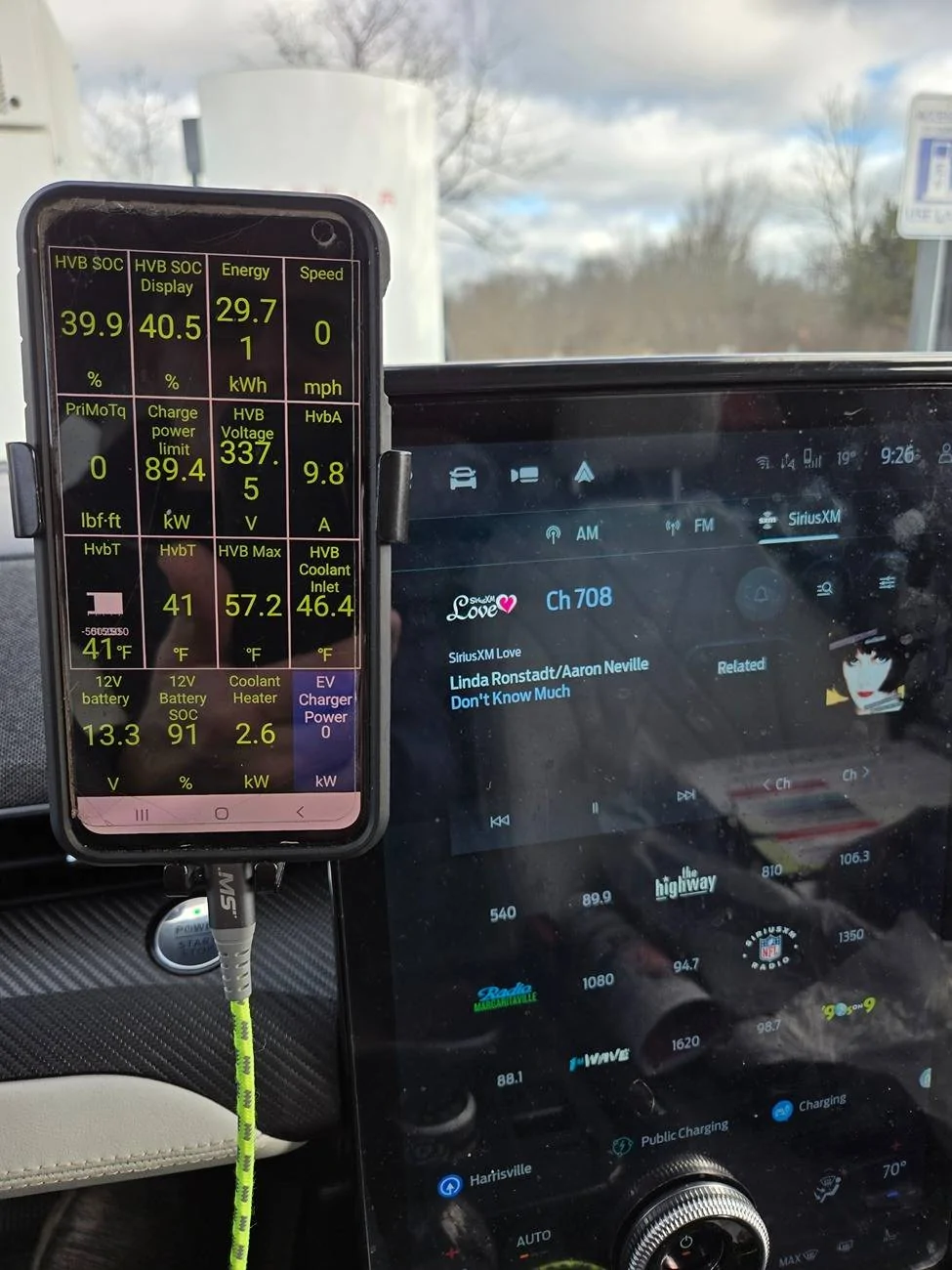
The 2021-2022 and job 1 2023 may have a different result from this "report". Just this past Sunday, I recorded a battery temperature drop from 52.8f to 41f while driving 50 miles (just over 55 minutes) almost all at 55-65mph on divided four lane highway in 19f temperature. I did keep my vehicle plugged in overnight, set a departure time of 8:15am, was in the vehicle at 8:17am when starting my report. My garage is not heated. My 2021 Premium does not have the larger 7kW heater or newest heating system. Furthermore I had another 3 degree drop in battery temperature over nearly 40 minutes as it sat outside of a Sheetz while I used the bathroom, ordered coffee and had a small breakfast.

-I need to ask what lifting device did you use to access the bottom of the vehicle?
-No photos of "being able to reach along the sides of the battery pack?

I found a report of a Tesla owner that did what you did (via 2019) that had different results that you are reporting here. Further workup is needed. The biggest issue is accessing the bottom of the vehicle to install a winter cap and to invest further blocking that open frontal area.
Ford Mustang Mach-E Insulating HVB Pack Bottom & Heating/Cooling Hoses 1000008540
Ford Mustang Mach-E Insulating HVB Pack Bottom & Heating/Cooling Hoses 1000008521
Ford Mustang Mach-E Insulating HVB Pack Bottom & Heating/Cooling Hoses 1000008547
 
Last edited:

Billyk24

Well-Known Member
First Name
William
Joined
Nov 29, 2019
Threads
116
Messages
2,307
Reaction score
1,295
Location
PA
Vehicles
Ford C-Max Energi, Premium Mach-E ordered
Country flag
And you know what - I only drive around town - been fine down to -30F - keep it in a heated garage when not out and about - so I am good! But you are the man for this testing!!! I am really interested to see how the 2025’s fare in extreme cold climate as my Option contract is over next year.
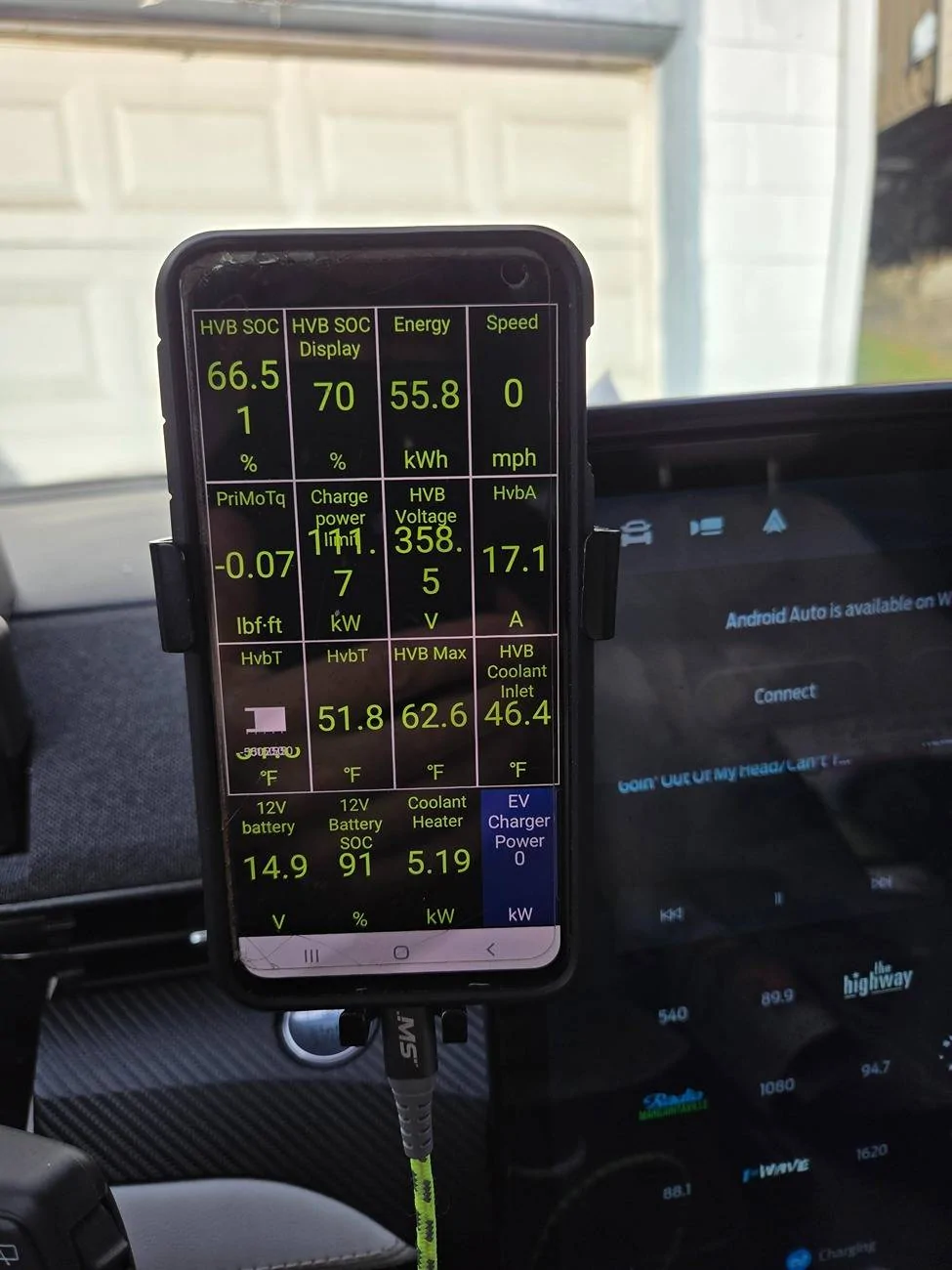
I wish you could state what temperature exactly is the battery pack and what happens to this temperature while driving in winter cold weather.
 
OP
OP
markboris

markboris

Well-Known Member
First Name
Mark
Joined
Nov 13, 2019
Threads
43
Messages
5,731
Reaction score
16,371
Location
Sonora, CA
Vehicles
Currently: '20 Shelby GT500 FPB '24 Mach-E GTP GGM
Occupation
Retired
Country flag
No one could possibly say you are not thorough and dedicated
Thanks Gimme! I’ve had a lot of fun modding/customizing Mach-E’s over the last 4+ years. Not sure what will be next… ?
 
OP
OP
markboris

markboris

Well-Known Member
First Name
Mark
Joined
Nov 13, 2019
Threads
43
Messages
5,731
Reaction score
16,371
Location
Sonora, CA
Vehicles
Currently: '20 Shelby GT500 FPB '24 Mach-E GTP GGM
Occupation
Retired
Country flag
The pack is liquid cooled, so no. Insulation works both ways, and would help prevent the pack from getting hot from heat radiating off the pavement.
For extreme heat like where Joe lives, would just something with an aluminum foil face reflect enough heat from pavement or should there also be a thermal insulation barrier?
 

condition5

Well-Known Member
First Name
Dean
Joined
Dec 28, 2024
Threads
30
Messages
135
Reaction score
182
Location
Mid Atlantic
Vehicles
2024 Mach-E (Premium)
Bottom line: I don't feel insulating makes any difference in moderately cold weather. Maybe with extreme cold temps and much more insulation than I used it might but I would not count on it. More below.....

It's been more than a couple of months now that I've had the bottom of my HVB pack and all of the hoses under the frunk tub insulated and haven't noticed any range or performance difference.

Let me start out by saying like many other projects on the Mach-E (and other vehicles I work on), this is not something I wanted or needed to do for myself. It was a project to see if I could measure a difference between insulated and non-insulated HVB pack bottom. There has been some talk here on a few threads that insulating the HVB pack and/or frunk hoses may help with range and keeping the battery at normal temperatures longer. I thought it would be an interesting project to insulate and see if this would help but with the somewhat mild temps in my area, I did not find this to be the case. Prior to starting this project, I contacted Lee (Mach-Lee) and explained what I wanted to do. He suggested that I start out with the HVB at a temp of at least 75˚ then leave it outside overnight for 12 hours with temps ideally below 40˚.

The first material I used across the entire bottom of the HVB pack was Dynamat Pro-X. It is one of the thickest self stick CLD materials out there and also has a heavy aluminum outer layer. It is used to reduce vibration and sound transmission. I used this material for two reasons. It smoothed out the lines and rivet protrusions on the bottom of the pack plus gave me a good clean surface for the closed cell foam thermal insulation to stick to. I used aluminum tape to seal all the seams and around the edges. Next I applied Dynanliner 1/4" closed cell foam thermal insulation to the Dynamat's aluminum surface. This is a very high quality foam that will not absorb moisture. I didn't want the total thickness of the insulated materials to protrude beyond the rails on each side of the pack in case at a later time I wanted to install an aluminum shield across the entire bottom. Lee said in my area 1/4" foam would be enough but for muchcolder temps like where he lives, the 1/2" might work better. I also insulated the heating/cooling hoses under the frunk tub with high quality rubber foam pipe insulation.

First overnight test was with no insulation, second with Dynamat CLD material and third with Dynaliner closed cell foam. For each of the three tests, I parked the car outside at night with the warmed up HVB at 10:00 pm and documented the HVB temps at 10:00 pm, 4:00 am, 7:00 am and 10:00 am. Lee suggested I do one more test but this time a 90 minute drive at an average speed of 60 mph (I was only able to get an average speed of 50 mph). This would cool off the HVB much faster do air quickly moving past the HVB. Unfortunately I had already insulated everything so I wan't able to do the driving test before starting this project. I have a heated garage so was able to bring the HVB up to warm temps without having to pre-condition or charge the battery. All tests were done with a 90% battery charge. The three overnight tests started out with the battery around 80˚ and exterior ambient temps dipped down to 36˚. On the driving test, the HVB started at 86˚ and exterior ambients temps dipped as low as 26˚ on the drive.

I really did expect insulating would make a greater difference than it did. However I also thought that the entire HVB pack was completely sealed and the only part that was exposed was the bottom. However, this is not true. Both the sides, front, back and top are completely exposed. While I was under the car insulating the heating/cooling hoses going to the HVB, I noticed a large amount of space all around the pack. I cold reach in and stick my hand along the sides (between the pack and the rails) and on top (between the pack and the floor of the car). So especially while driving, air will be flowing ALL around the HVB pack, not just across the bottom. Had I known this before (it was probably discussed here but I never read it) I probably would not have insulated the bottom of the pack.

I am not nearly as technical or have close to the knowledge that Lee has with any of this so if you have specific questions, I would direct it to him for answers.

For the three overnight tests, I sent Lee the requested data he wanted. Times, outside ambient temps, and CarScanner HVB info. For these tests, HVB start temps averaged around 80˚ and external ambient temps went as low as 36˚.

No insulation:

Battery temp no insulation.webp


Dynamat CLD material

Battery temp Dynamat.webp


Dynaliner 1/4" closed cell foam thermal insulation

Battery temp insulated.webp


Here is the 90 minute, 75 mile drive averaging 50 mph. For this tests, HVB start temp was 86˚ and external ambient temps went as low as 26˚.

IMG_4245.webp


A few photos of the project:

No insulation

IMG_3792 (1).webp


Dynamat CLD with aluminum outer facing:

IMG_3871 (1).webp


Dynaliner 1/4" closed cell foam thermal insulation

IMG_3923.webp


IMG_3925.webp


Heating/cooling hoses insulated

IMG_4213.jpeg
Bottom line: I don't feel insulating makes any difference in moderately cold weather. Maybe with extreme cold temps and much more insulation than I used it might but I would not count on it. More below.....

It's been more than a couple of months now that I've had the bottom of my HVB pack and all of the hoses under the frunk tub insulated and haven't noticed any range or performance difference.

Let me start out by saying like many other projects on the Mach-E (and other vehicles I work on), this is not something I wanted or needed to do for myself. It was a project to see if I could measure a difference between insulated and non-insulated HVB pack bottom. There has been some talk here on a few threads that insulating the HVB pack and/or frunk hoses may help with range and keeping the battery at normal temperatures longer. I thought it would be an interesting project to insulate and see if this would help but with the somewhat mild temps in my area, I did not find this to be the case. Prior to starting this project, I contacted Lee (Mach-Lee) and explained what I wanted to do. He suggested that I start out with the HVB at a temp of at least 75˚ then leave it outside overnight for 12 hours with temps ideally below 40˚.

The first material I used across the entire bottom of the HVB pack was Dynamat Pro-X. It is one of the thickest self stick CLD materials out there and also has a heavy aluminum outer layer. It is used to reduce vibration and sound transmission. I used this material for two reasons. It smoothed out the lines and rivet protrusions on the bottom of the pack plus gave me a good clean surface for the closed cell foam thermal insulation to stick to. I used aluminum tape to seal all the seams and around the edges. Next I applied Dynanliner 1/4" closed cell foam thermal insulation to the Dynamat's aluminum surface. This is a very high quality foam that will not absorb moisture. I didn't want the total thickness of the insulated materials to protrude beyond the rails on each side of the pack in case at a later time I wanted to install an aluminum shield across the entire bottom. Lee said in my area 1/4" foam would be enough but for muchcolder temps like where he lives, the 1/2" might work better. I also insulated the heating/cooling hoses under the frunk tub with high quality rubber foam pipe insulation.

First overnight test was with no insulation, second with Dynamat CLD material and third with Dynaliner closed cell foam. For each of the three tests, I parked the car outside at night with the warmed up HVB at 10:00 pm and documented the HVB temps at 10:00 pm, 4:00 am, 7:00 am and 10:00 am. Lee suggested I do one more test but this time a 90 minute drive at an average speed of 60 mph (I was only able to get an average speed of 50 mph). This would cool off the HVB much faster do air quickly moving past the HVB. Unfortunately I had already insulated everything so I wan't able to do the driving test before starting this project. I have a heated garage so was able to bring the HVB up to warm temps without having to pre-condition or charge the battery. All tests were done with a 90% battery charge. The three overnight tests started out with the battery around 80˚ and exterior ambient temps dipped down to 36˚. On the driving test, the HVB started at 86˚ and exterior ambients temps dipped as low as 26˚ on the drive.

I really did expect insulating would make a greater difference than it did. However I also thought that the entire HVB pack was completely sealed and the only part that was exposed was the bottom. However, this is not true. Both the sides, front, back and top are completely exposed. While I was under the car insulating the heating/cooling hoses going to the HVB, I noticed a large amount of space all around the pack. I cold reach in and stick my hand along the sides (between the pack and the rails) and on top (between the pack and the floor of the car). So especially while driving, air will be flowing ALL around the HVB pack, not just across the bottom. Had I known this before (it was probably discussed here but I never read it) I probably would not have insulated the bottom of the pack.

I am not nearly as technical or have close to the knowledge that Lee has with any of this so if you have specific questions, I would direct it to him for answers.

For the three overnight tests, I sent Lee the requested data he wanted. Times, outside ambient temps, and CarScanner HVB info. For these tests, HVB start temps averaged around 80˚ and external ambient temps went as low as 36˚.

No insulation:

Battery temp no insulation.webp


Dynamat CLD material

Battery temp Dynamat.webp


Dynaliner 1/4" closed cell foam thermal insulation

Battery temp insulated.webp


Here is the 90 minute, 75 mile drive averaging 50 mph. For this tests, HVB start temp was 86˚ and external ambient temps went as low as 26˚.

IMG_4245.webp


A few photos of the project:

No insulation

IMG_3792 (1).webp


Dynamat CLD with aluminum outer facing:

IMG_3871 (1).webp


Dynaliner 1/4" closed cell foam thermal insulation

IMG_3923.webp


IMG_3925.webp


Heating/cooling hoses insulated

IMG_4213.jpeg
Holy heck
Bottom line: I don't feel insulating makes any difference in moderately cold weather. Maybe with extreme cold temps and much more insulation than I used it might but I would not count on it. More below.....

It's been more than a couple of months now that I've had the bottom of my HVB pack and all of the hoses under the frunk tub insulated and haven't noticed any range or performance difference.

Let me start out by saying like many other projects on the Mach-E (and other vehicles I work on), this is not something I wanted or needed to do for myself. It was a project to see if I could measure a difference between insulated and non-insulated HVB pack bottom. There has been some talk here on a few threads that insulating the HVB pack and/or frunk hoses may help with range and keeping the battery at normal temperatures longer. I thought it would be an interesting project to insulate and see if this would help but with the somewhat mild temps in my area, I did not find this to be the case. Prior to starting this project, I contacted Lee (Mach-Lee) and explained what I wanted to do. He suggested that I start out with the HVB at a temp of at least 75˚ then leave it outside overnight for 12 hours with temps ideally below 40˚.

The first material I used across the entire bottom of the HVB pack was Dynamat Pro-X. It is one of the thickest self stick CLD materials out there and also has a heavy aluminum outer layer. It is used to reduce vibration and sound transmission. I used this material for two reasons. It smoothed out the lines and rivet protrusions on the bottom of the pack plus gave me a good clean surface for the closed cell foam thermal insulation to stick to. I used aluminum tape to seal all the seams and around the edges. Next I applied Dynanliner 1/4" closed cell foam thermal insulation to the Dynamat's aluminum surface. This is a very high quality foam that will not absorb moisture. I didn't want the total thickness of the insulated materials to protrude beyond the rails on each side of the pack in case at a later time I wanted to install an aluminum shield across the entire bottom. Lee said in my area 1/4" foam would be enough but for muchcolder temps like where he lives, the 1/2" might work better. I also insulated the heating/cooling hoses under the frunk tub with high quality rubber foam pipe insulation.

First overnight test was with no insulation, second with Dynamat CLD material and third with Dynaliner closed cell foam. For each of the three tests, I parked the car outside at night with the warmed up HVB at 10:00 pm and documented the HVB temps at 10:00 pm, 4:00 am, 7:00 am and 10:00 am. Lee suggested I do one more test but this time a 90 minute drive at an average speed of 60 mph (I was only able to get an average speed of 50 mph). This would cool off the HVB much faster do air quickly moving past the HVB. Unfortunately I had already insulated everything so I wan't able to do the driving test before starting this project. I have a heated garage so was able to bring the HVB up to warm temps without having to pre-condition or charge the battery. All tests were done with a 90% battery charge. The three overnight tests started out with the battery around 80˚ and exterior ambient temps dipped down to 36˚. On the driving test, the HVB started at 86˚ and exterior ambients temps dipped as low as 26˚ on the drive.

I really did expect insulating would make a greater difference than it did. However I also thought that the entire HVB pack was completely sealed and the only part that was exposed was the bottom. However, this is not true. Both the sides, front, back and top are completely exposed. While I was under the car insulating the heating/cooling hoses going to the HVB, I noticed a large amount of space all around the pack. I cold reach in and stick my hand along the sides (between the pack and the rails) and on top (between the pack and the floor of the car). So especially while driving, air will be flowing ALL around the HVB pack, not just across the bottom. Had I known this before (it was probably discussed here but I never read it) I probably would not have insulated the bottom of the pack.

I am not nearly as technical or have close to the knowledge that Lee has with any of this so if you have specific questions, I would direct it to him for answers.

For the three overnight tests, I sent Lee the requested data he wanted. Times, outside ambient temps, and CarScanner HVB info. For these tests, HVB start temps averaged around 80˚ and external ambient temps went as low as 36˚.

No insulation:

Battery temp no insulation.jpeg


Dynamat CLD material

Battery temp Dynamat.jpeg


Dynaliner 1/4" closed cell foam thermal insulation

Battery temp insulated.jpeg


Here is the 90 minute, 75 mile drive averaging 50 mph. For this tests, HVB start temp was 86˚ and external ambient temps went as low as 26˚.

IMG_4245.jpeg


A few photos of the project:

No insulation

IMG_3792 (1).jpeg


Dynamat CLD with aluminum outer facing:

IMG_3871 (1).jpeg


Dynaliner 1/4" closed cell foam thermal insulation

IMG_3923.jpeg


IMG_3925.jpeg


Heating/cooling hoses insulated

IMG_4213.jpeg
Holy heck.
I used some Dynamat in a PC homebuild a few years ago...and remember it being expensive AF for a small amount. I wouldn't have wanted to fund a MME-sized install!
 

AKgrampy

Well-Known Member
First Name
Mike
Joined
Jan 29, 2022
Threads
7
Messages
3,519
Reaction score
3,590
Location
Fairbanks, Alaska
Vehicles
Ford Expedition, Ford F-150, Mach E GT
Occupation
Retired
Country flag
I wish you could state what temperature exactly is the battery pack and what happens to this temperature while driving in winter cold weather.
I just don’t monitor it. I get plenty of jail bars if I am out fo a few hours. I have driven at -35F and the car was marginal climate wise. But to be clear that is around town with speeds 25 - 55 mph. I am sure the climate would be unable to keep up if I were driving at highway speeds at extremely low temps. I know a couple people up here get by without but I would not have an EV here without a heated garage.
 

Mach-Lee

Well-Known Member
First Name
Lee
Joined
Jul 16, 2021
Threads
262
Messages
11,344
Reaction score
24,963
Location
Wisconsin
Vehicles
2022 Mach-E Premium AWD
Occupation
Sci/Eng
Country flag
For extreme heat like where Joe lives, would just something with an aluminum foil face reflect enough heat from pavement or should there also be a thermal insulation barrier?
Yes, that would provide a radiant barrier with some benefits.
Sponsored


Top