markboris
Well-Known Member
- First Name
- Mark
- Joined
- Nov 13, 2019
- Threads
- 43
- Messages
- 5,732
- Reaction score
- 16,372
- Location
- Sonora, CA
- Vehicles
- Currently: '20 Shelby GT500 FPB '24 Mach-E GTP GGM
- Occupation
- Retired

- Thread starter
- #1
Bottom line: I don't feel insulating makes any difference in moderately cold weather. Maybe with extreme cold temps and much more insulation than I used it might but I would not count on it. More below.....
It's been more than a couple of months now that I've had the bottom of my HVB pack and all of the hoses under the frunk tub insulated and haven't noticed any range or performance difference.
Let me start out by saying like many other projects on the Mach-E (and other vehicles I work on), this is not something I wanted or needed to do for myself. It was a project to see if I could measure a difference between insulated and non-insulated HVB pack bottom. There has been some talk here on a few threads that insulating the HVB pack and/or frunk hoses may help with range and keeping the battery at normal temperatures longer. I thought it would be an interesting project to insulate and see if this would help but with the somewhat mild temps in my area, I did not find this to be the case. Prior to starting this project, I contacted Lee (Mach-Lee) and explained what I wanted to do. He worked with me on this project and suggested that I start out with the HVB at a temp of at least 75˚ then leave it outside overnight for 12 hours with temps ideally below 40˚.
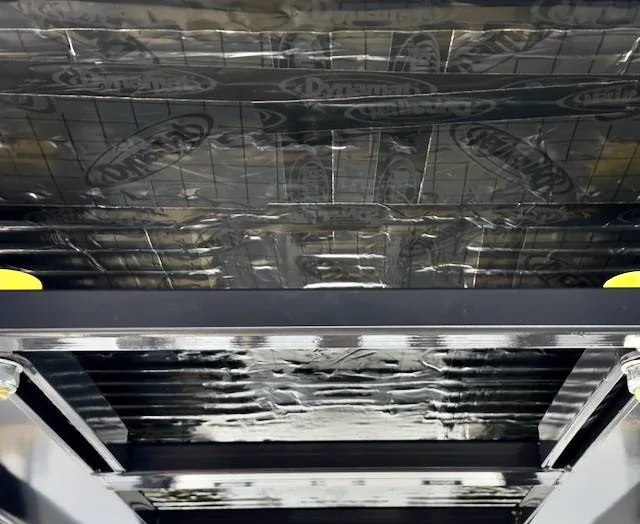
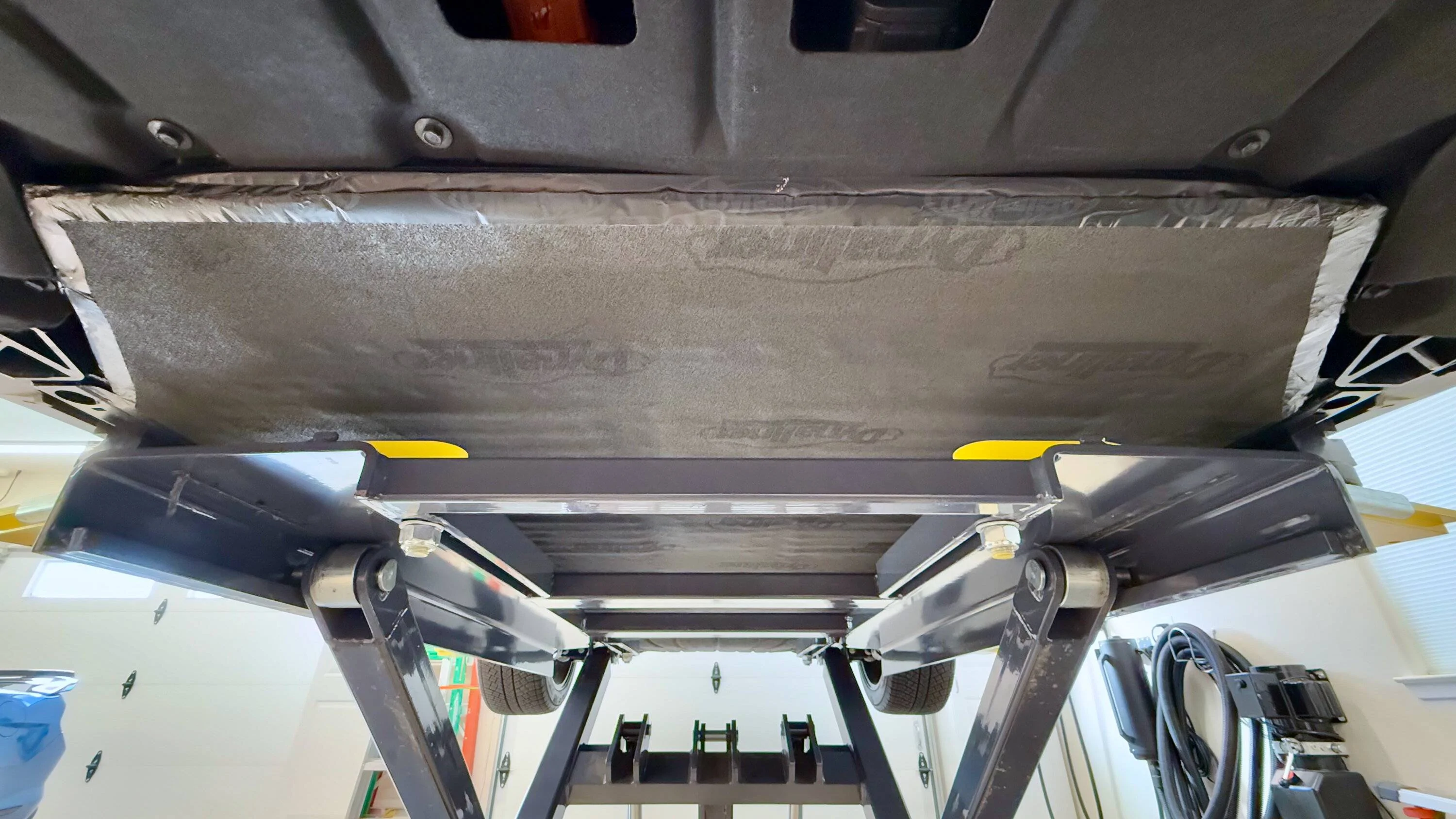
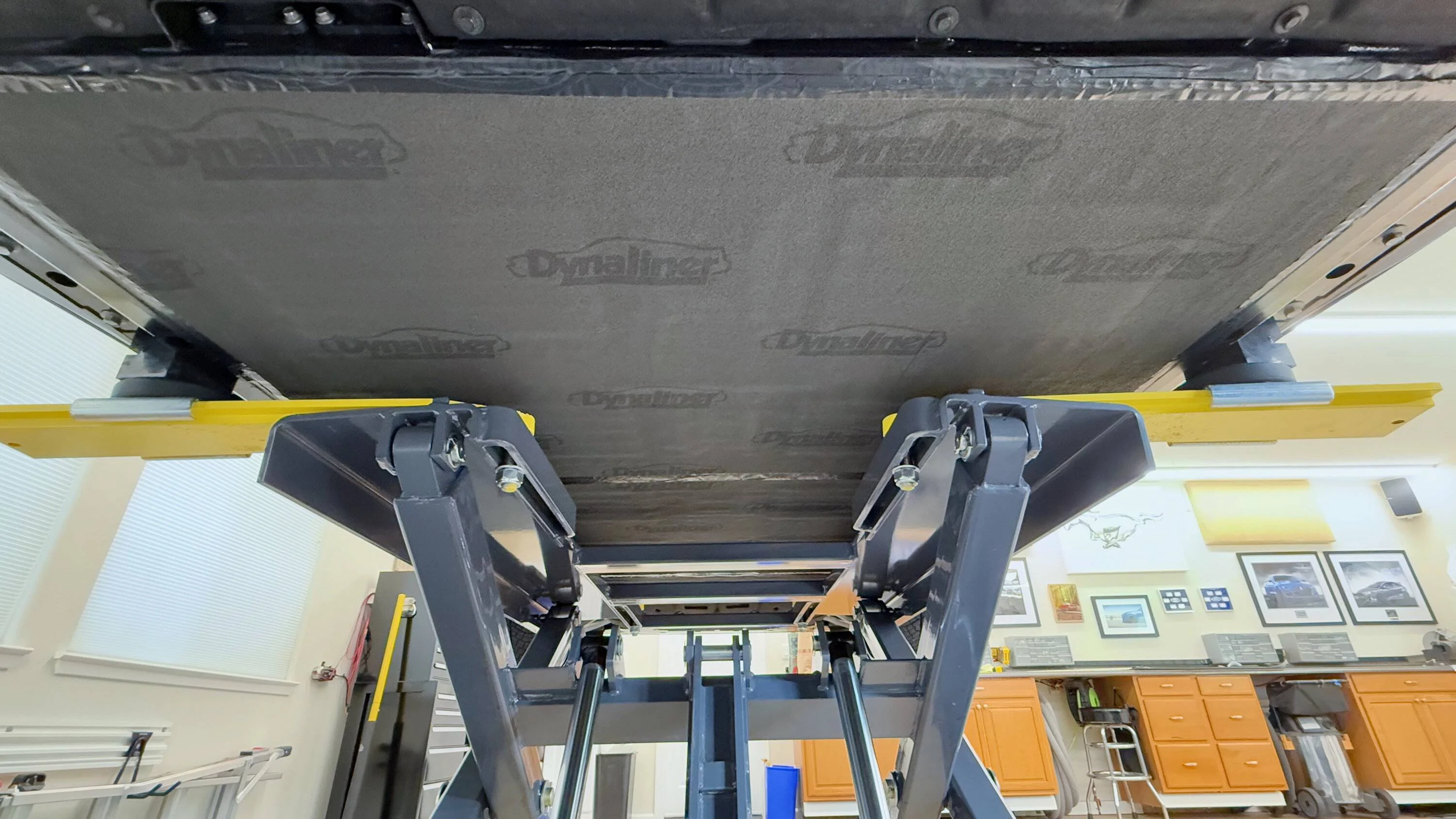
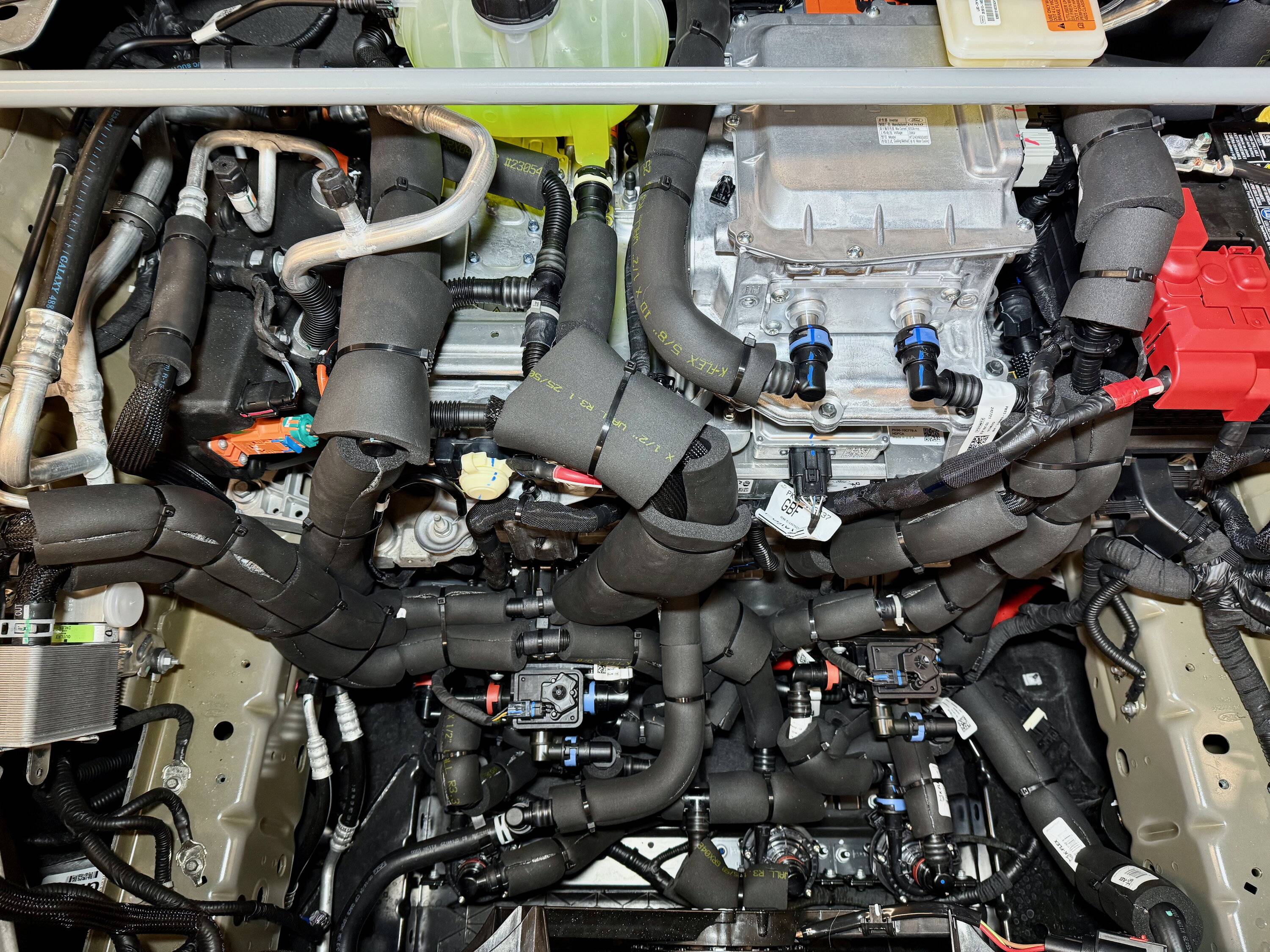
The first material I used across the entire bottom of the HVB pack was Dynamat Pro-X. It is one of the thickest self stick CLD materials out there and also has a heavy aluminum outer layer. It is used to reduce vibration and sound transmission. I used this material for two reasons. It smoothed out the lines and rivet protrusions on the bottom of the pack plus gave me a good clean surface for the closed cell foam thermal insulation to stick to. I used aluminum tape to seal all the seams and around the edges. Next I applied Dynanliner 1/4" closed cell foam thermal insulation to the Dynamat's aluminum surface. This is a very high quality foam that will not absorb moisture. I didn't want the total thickness of the insulated materials to protrude beyond the rails on each side of the pack in case at a later time I wanted to install an aluminum shield across the entire bottom. Lee said in my area 1/4" foam would be enough but for muchcolder temps like where he lives, the 1/2" might work better. I also insulated the heating/cooling hoses under the frunk tub with high quality rubber foam pipe insulation.
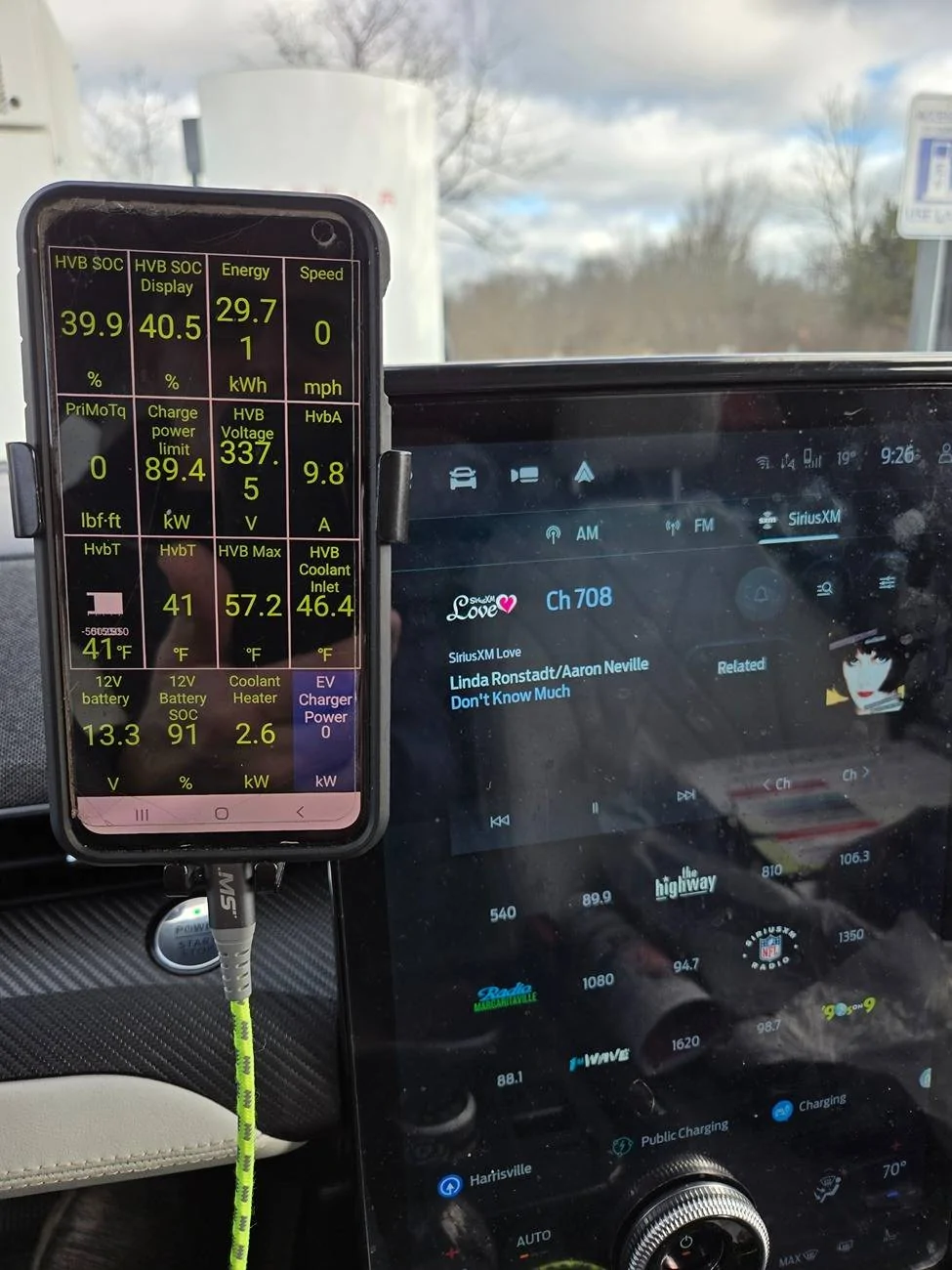
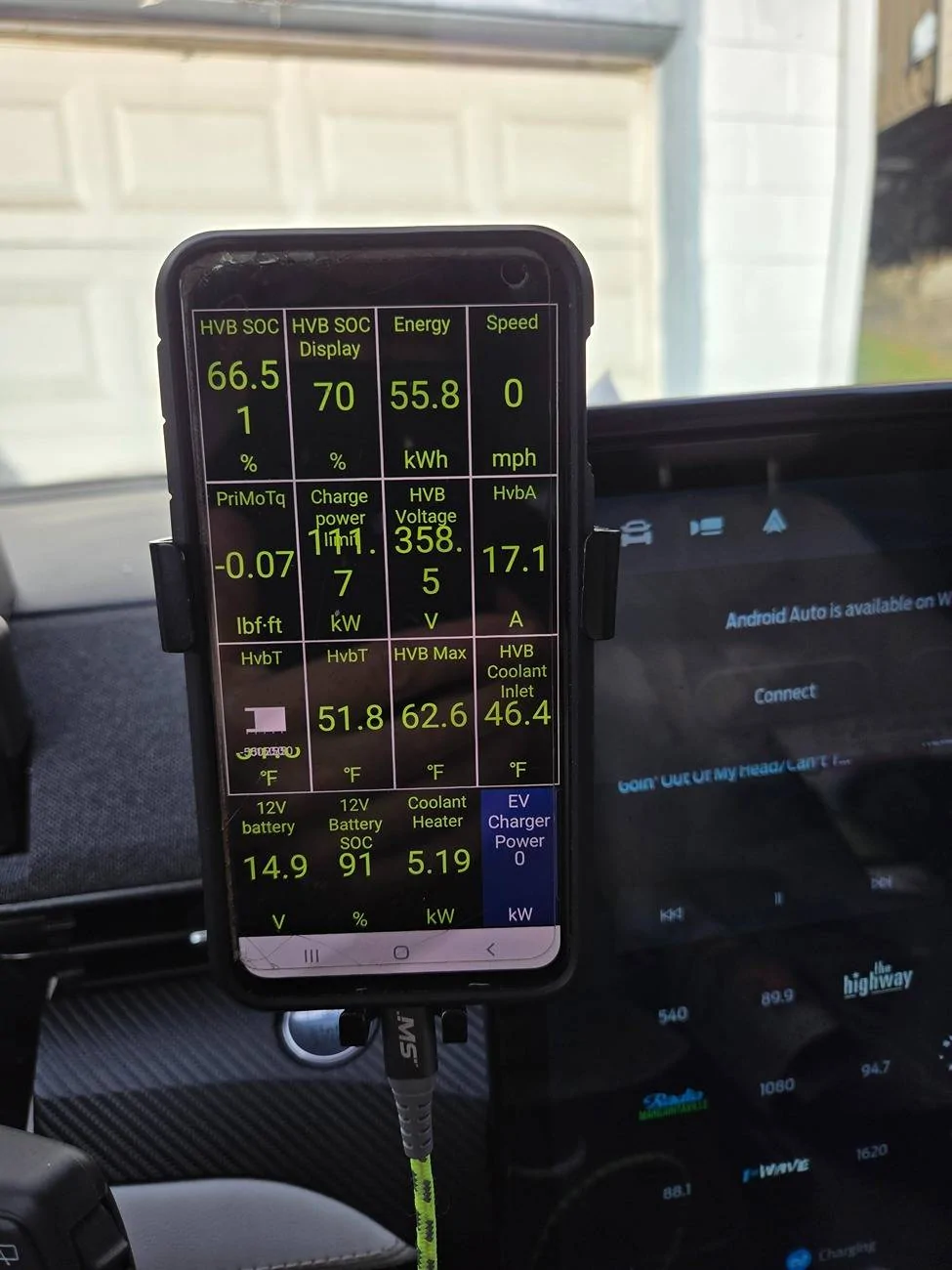
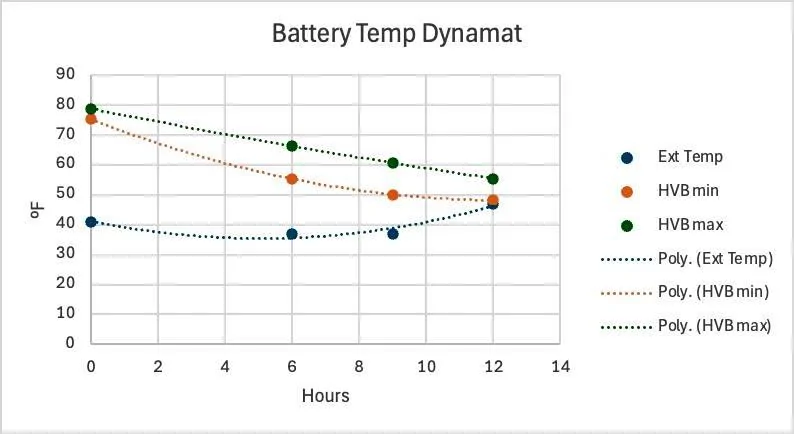
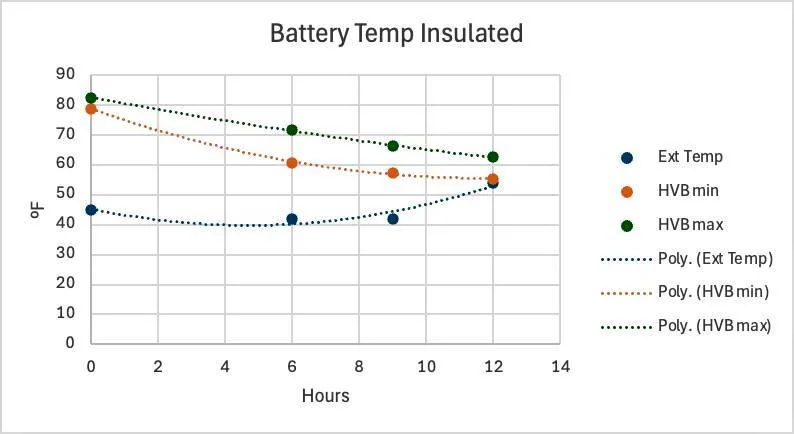
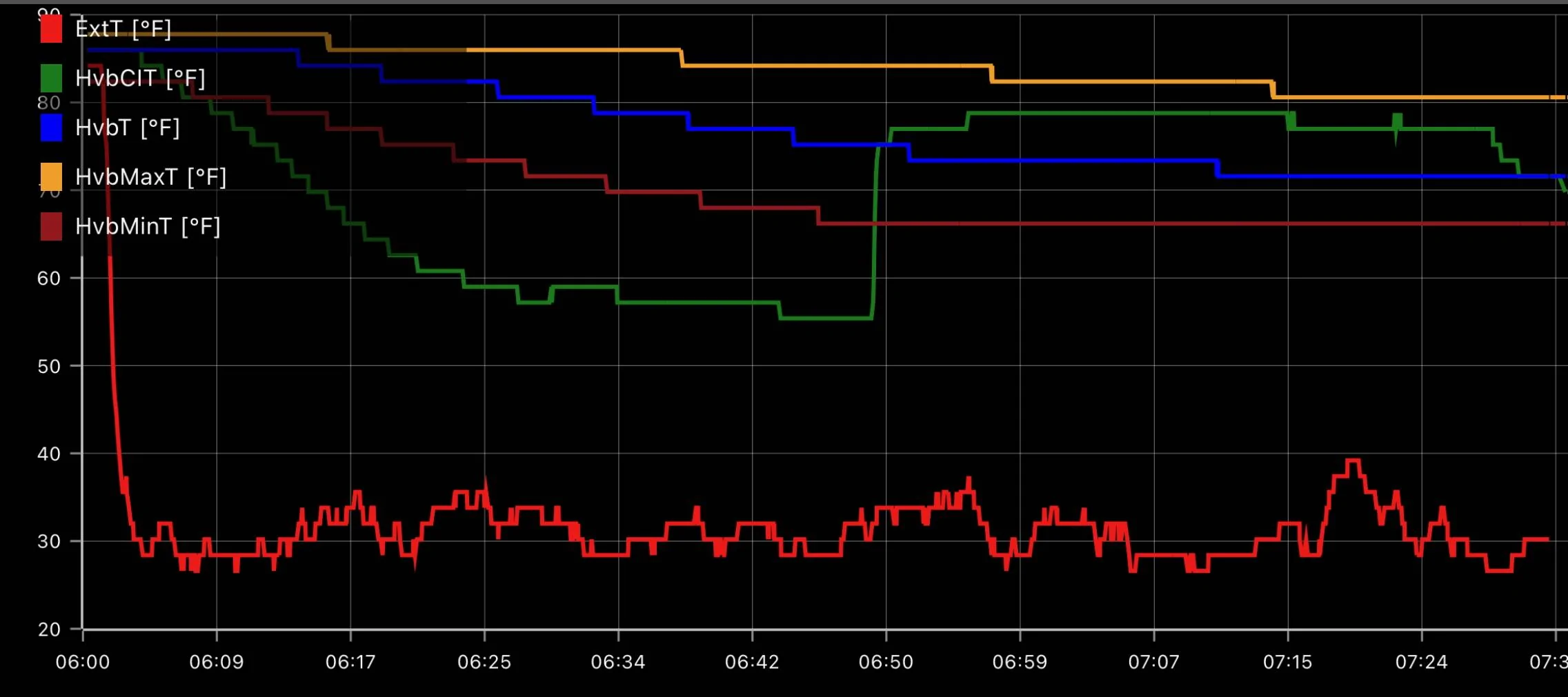
First overnight test was with no insulation, second with Dynamat CLD material and third with Dynaliner closed cell foam. For each of the three tests, I parked the car outside at night with the warmed up HVB at 10:00 pm and documented the HVB temps at 10:00 pm, 4:00 am, 7:00 am and 10:00 am. Lee suggested I do one more test but this time a 90 minute drive at an average speed of 60 mph (I was only able to get an average speed of 50 mph). This would cool off the HVB much faster do air quickly moving past the HVB. Unfortunately I had already insulated everything so I wan't able to do the driving test before starting this project. I have a heated garage so was able to bring the HVB up to warm temps without having to pre-condition or charge the battery. All tests were done with a 90% battery charge. The three overnight tests started out with the battery around 80˚ and exterior ambient temps dipped down to 36˚. On the driving test, the HVB started at 86˚ and exterior ambients temps dipped as low as 26˚ on the drive.
I really did expect insulating would make a greater difference than it did. However I also thought that the entire HVB pack was completely sealed and the only part that was exposed was the bottom. However, this is not true. Both the sides, front, back and top are completely exposed. While I was under the car insulating the heating/cooling hoses going to the HVB, I noticed a large amount of space all around the pack. I cold reach in and stick my hand along the sides (between the pack and the rails) and on top (between the pack and the floor of the car). So especially while driving, air will be flowing ALL around the HVB pack, not just across the bottom. Had I known this before (it was probably discussed here but I never read it) I probably would not have insulated the bottom of the pack.
I am not nearly as technical or have close to the knowledge that Lee has with any of this so if you have specific questions, I would direct it to him for answers.
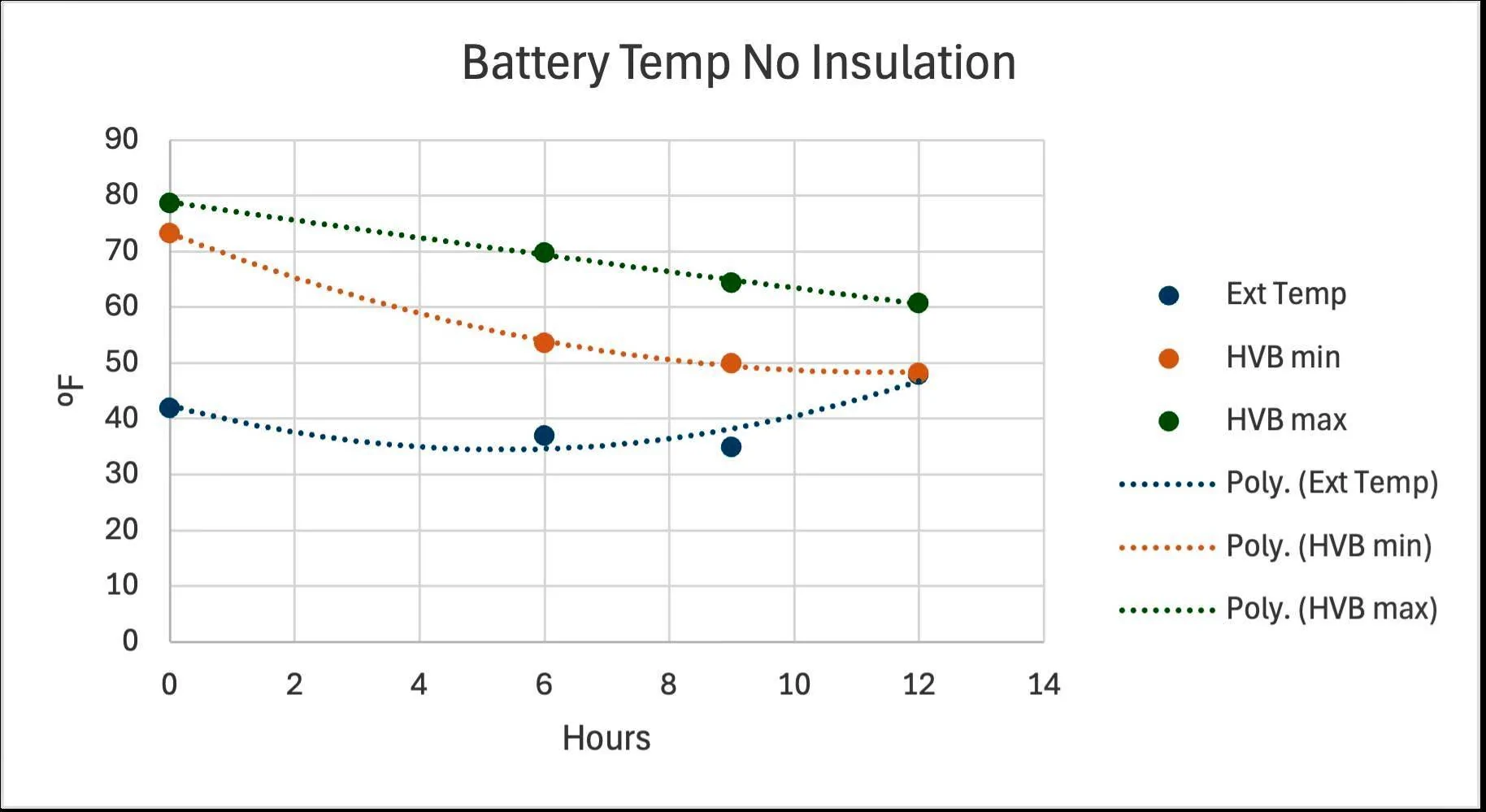
For the three overnight tests, I sent Lee the requested data he wanted. Times, outside ambient temps, and CarScanner HVB info. For these tests, HVB start temps averaged around 80˚ and external ambient temps went as low as 36˚.
No insulation:

Dynamat CLD material

Dynaliner 1/4" closed cell foam thermal insulation
Here is the 90 minute, 75 mile drive averaging 50 mph. For this tests, HVB start temp was 86˚ and external ambient temps went as low as 26˚.

A few photos of the project:
No insulation

Dynamat CLD with aluminum outer facing:

Dynaliner 1/4" closed cell foam thermal insulation

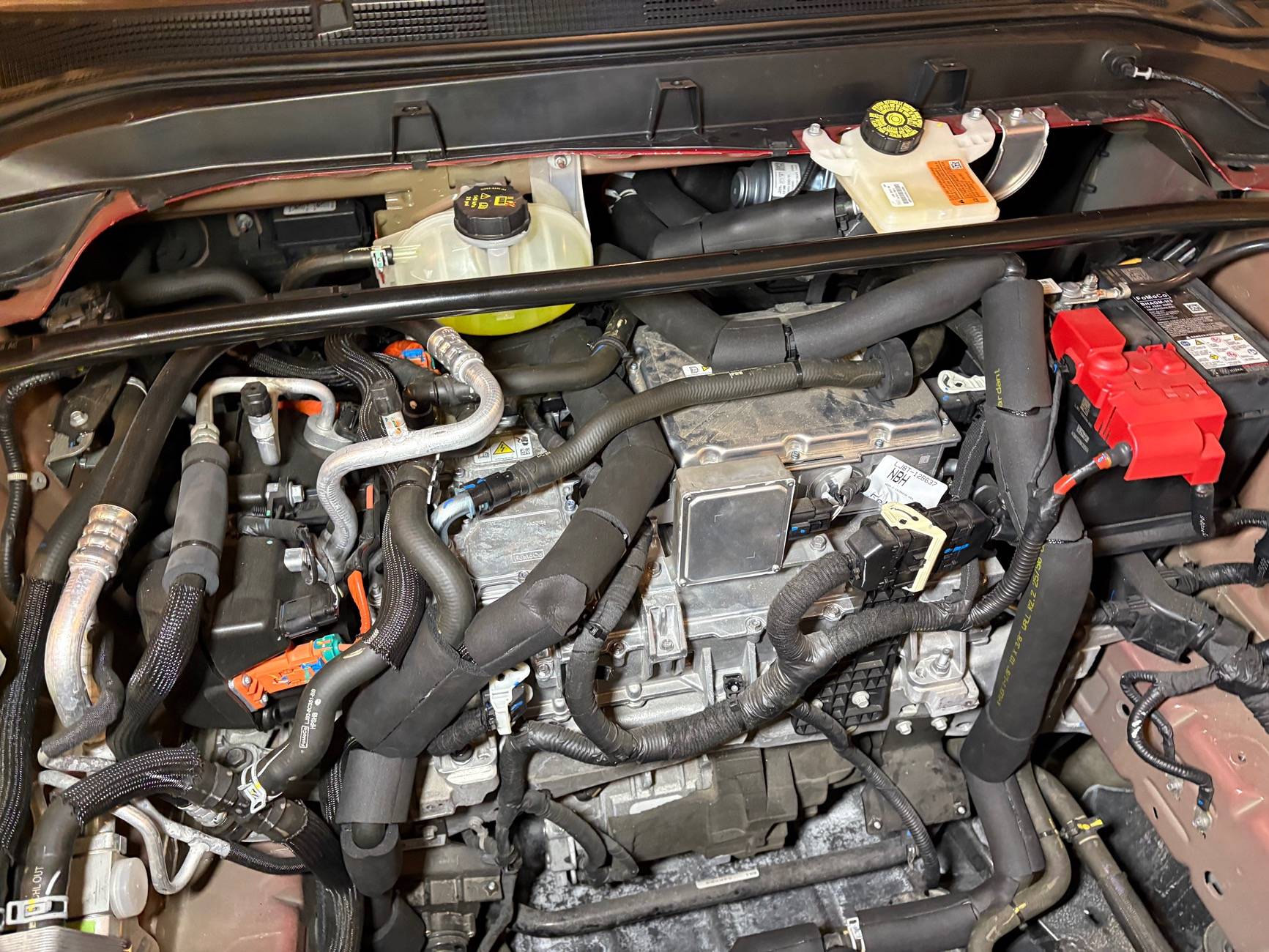
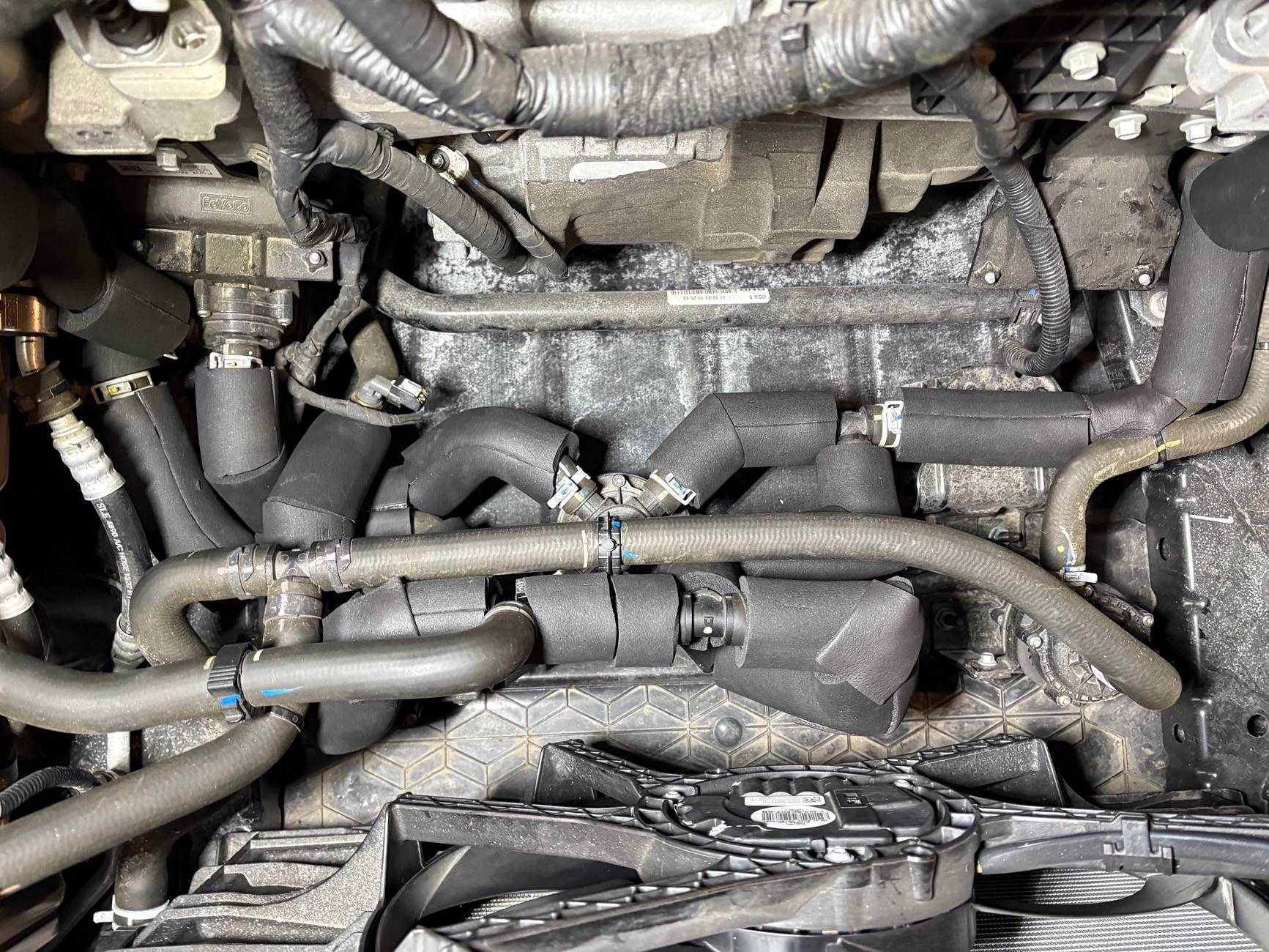
Heating/cooling hoses insulated

It's been more than a couple of months now that I've had the bottom of my HVB pack and all of the hoses under the frunk tub insulated and haven't noticed any range or performance difference.
Let me start out by saying like many other projects on the Mach-E (and other vehicles I work on), this is not something I wanted or needed to do for myself. It was a project to see if I could measure a difference between insulated and non-insulated HVB pack bottom. There has been some talk here on a few threads that insulating the HVB pack and/or frunk hoses may help with range and keeping the battery at normal temperatures longer. I thought it would be an interesting project to insulate and see if this would help but with the somewhat mild temps in my area, I did not find this to be the case. Prior to starting this project, I contacted Lee (Mach-Lee) and explained what I wanted to do. He worked with me on this project and suggested that I start out with the HVB at a temp of at least 75˚ then leave it outside overnight for 12 hours with temps ideally below 40˚.
The first material I used across the entire bottom of the HVB pack was Dynamat Pro-X. It is one of the thickest self stick CLD materials out there and also has a heavy aluminum outer layer. It is used to reduce vibration and sound transmission. I used this material for two reasons. It smoothed out the lines and rivet protrusions on the bottom of the pack plus gave me a good clean surface for the closed cell foam thermal insulation to stick to. I used aluminum tape to seal all the seams and around the edges. Next I applied Dynanliner 1/4" closed cell foam thermal insulation to the Dynamat's aluminum surface. This is a very high quality foam that will not absorb moisture. I didn't want the total thickness of the insulated materials to protrude beyond the rails on each side of the pack in case at a later time I wanted to install an aluminum shield across the entire bottom. Lee said in my area 1/4" foam would be enough but for muchcolder temps like where he lives, the 1/2" might work better. I also insulated the heating/cooling hoses under the frunk tub with high quality rubber foam pipe insulation.
First overnight test was with no insulation, second with Dynamat CLD material and third with Dynaliner closed cell foam. For each of the three tests, I parked the car outside at night with the warmed up HVB at 10:00 pm and documented the HVB temps at 10:00 pm, 4:00 am, 7:00 am and 10:00 am. Lee suggested I do one more test but this time a 90 minute drive at an average speed of 60 mph (I was only able to get an average speed of 50 mph). This would cool off the HVB much faster do air quickly moving past the HVB. Unfortunately I had already insulated everything so I wan't able to do the driving test before starting this project. I have a heated garage so was able to bring the HVB up to warm temps without having to pre-condition or charge the battery. All tests were done with a 90% battery charge. The three overnight tests started out with the battery around 80˚ and exterior ambient temps dipped down to 36˚. On the driving test, the HVB started at 86˚ and exterior ambients temps dipped as low as 26˚ on the drive.
I really did expect insulating would make a greater difference than it did. However I also thought that the entire HVB pack was completely sealed and the only part that was exposed was the bottom. However, this is not true. Both the sides, front, back and top are completely exposed. While I was under the car insulating the heating/cooling hoses going to the HVB, I noticed a large amount of space all around the pack. I cold reach in and stick my hand along the sides (between the pack and the rails) and on top (between the pack and the floor of the car). So especially while driving, air will be flowing ALL around the HVB pack, not just across the bottom. Had I known this before (it was probably discussed here but I never read it) I probably would not have insulated the bottom of the pack.
I am not nearly as technical or have close to the knowledge that Lee has with any of this so if you have specific questions, I would direct it to him for answers.
For the three overnight tests, I sent Lee the requested data he wanted. Times, outside ambient temps, and CarScanner HVB info. For these tests, HVB start temps averaged around 80˚ and external ambient temps went as low as 36˚.
No insulation:
Dynamat CLD material
Dynaliner 1/4" closed cell foam thermal insulation
Here is the 90 minute, 75 mile drive averaging 50 mph. For this tests, HVB start temp was 86˚ and external ambient temps went as low as 26˚.
A few photos of the project:
No insulation
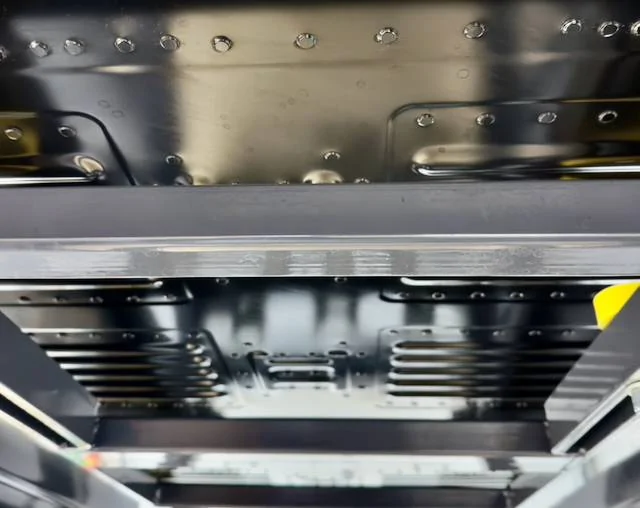
Dynamat CLD with aluminum outer facing:
Dynaliner 1/4" closed cell foam thermal insulation
Heating/cooling hoses insulated
Sponsored
Last edited: