smoke20
Well-Known Member

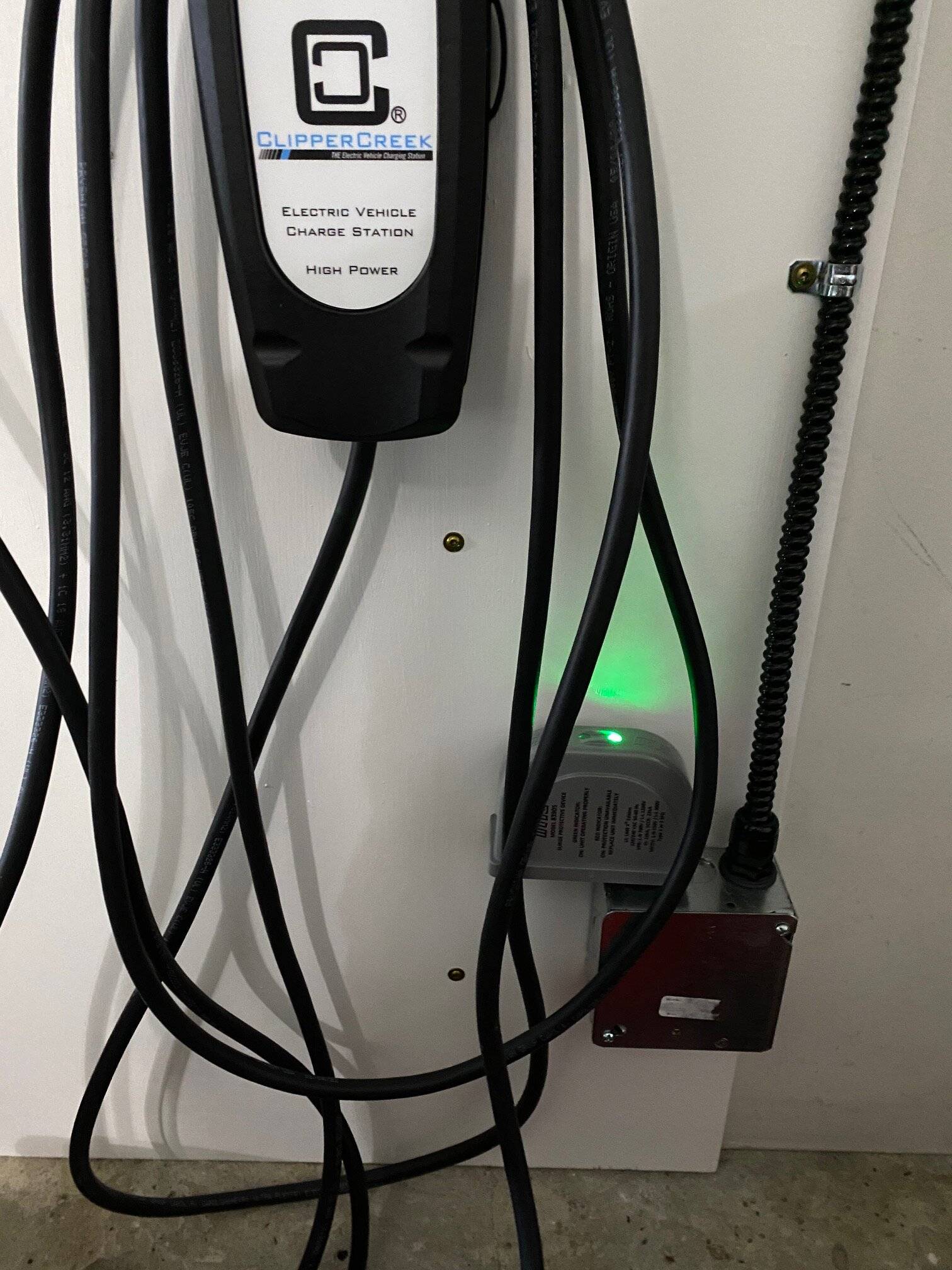
I would love to see inside the unit. I'm curious about the contactor; I'm serious. Every time my ClipperCreek energizes I wonder about the 'thunk' of the contactor.
By the way, I will mention that local surge protection is ideal for protecting electronics. Whole house systems certainly clamp impulses coming from the grid, but the majority of the impulses in your home originate internally from other inductive devices inside the home...after the whole house protector has seen the sine wave. Motor driven devices create these impulses when they are switched off....HVAC system...vacuum cleaner...fans....exhaust hood in kitchen...etc. These impulses may not be 'large', but they have the ability to cause 'death by paper cut'. Placing the protector on the actual target appliances offers optimal protection from all impulses. Below is an image of a 230V TPMOV surge protector borrowed from the HVAC industry (typically installed on outdoor heat pumps and AC condensers).

By the way, I will mention that local surge protection is ideal for protecting electronics. Whole house systems certainly clamp impulses coming from the grid, but the majority of the impulses in your home originate internally from other inductive devices inside the home...after the whole house protector has seen the sine wave. Motor driven devices create these impulses when they are switched off....HVAC system...vacuum cleaner...fans....exhaust hood in kitchen...etc. These impulses may not be 'large', but they have the ability to cause 'death by paper cut'. Placing the protector on the actual target appliances offers optimal protection from all impulses. Below is an image of a 230V TPMOV surge protector borrowed from the HVAC industry (typically installed on outdoor heat pumps and AC condensers).
Sponsored